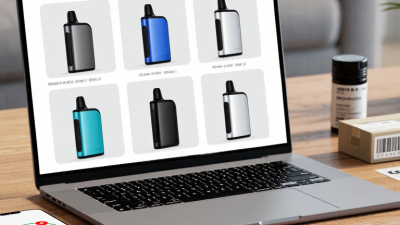
Wholesale buyers comparing China’s disposable cigs suppliers need more than a low quoted price. Product specifications, manufacturing consistency, documentation, and dependable communication all matter. A sample may look polished, yet the next production batch should match its stated features. Ask for clear product descriptions, batch records, and written explanations of quality checks before making purchasing decisions.
Details matter. Check how suppliers handle packaging, order changes, delivery estimates, and product complaints. Request samples where permitted, then compare labeling and construction against the supplier’s specifications. Confirm that products and business practices meet the requirements in both the manufacturing location and intended market. Rules can differ widely, so buyers should consult qualified local advisers rather than rely on a supplier’s assurances alone. This guide offers a practical framework for evaluating potential partners, not an endorsement of any company or product. A careful review takes time. That can feel inconvenient, but rushing past unclear paperwork or vague answers may create avoidable problems later.

China’s disposable cigarette supplier landscape is varied, and a polished catalog does not prove a factory is dependable. Wholesale buyers should distinguish manufacturers from trading companies by asking where products are assembled and which checks happen on-site. Request current business documentation, product specifications, and relevant test reports. Verify that documents match the exact model and production batch.
Details matter. Ask how suppliers track batches, inspect seals, test battery performance where applicable, and handle defective units. A sample can reveal loose packaging, unclear instructions, or inconsistent finish before a larger order. Confirm minimum quantities, lead times, payment terms, and shipping responsibilities in writing. Compare the full landed cost, not only the unit price. A low quote can hide costly delays or weak after-sales support.
Rules differ across markets and may change. Buyers should independently confirm that any product, labeling, age controls, and import arrangements meet destination requirements before placing an order. Keep records of supplier responses and inspection results. It takes time. Supplier claims can also be difficult to verify from a distance, so one visit or video call is not enough. That uncertainty deserves attention, even when the first sample looks fine.
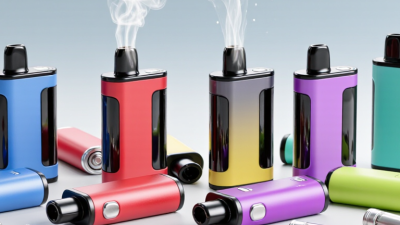
Wholesale buyers comparing disposable cigarette-style products should look beyond catalog photos. Product types may differ in size, construction, draw resistance, and intended operating life. Request a specification sheet for each model, including dimensions, net weight, materials, packaging count, and batch identification. If a product contains electronic components, ask for documented battery and quality-control details. Compare the same specifications across suppliers; vague labels make quotations difficult to assess. Small details matter.
Customization can include sleeve artwork, carton dimensions, language, and order quantities. Confirm print colors with a physical proof, since screen previews may not match finished packaging. Ask whether customized orders use the same components as standard stock. A sample is useful, but it cannot prove every production run will be consistent. Request inspection records and a clear process for reporting defects. A dependable supplier should answer specific questions without promising unrealistic timelines. Check that product sales and shipping comply with the rules in the destination market.
Tips: Compare samples side by side under the same conditions. Ask for written specifications, batch records, and packaging proofs before confirming an order. Note any unanswered questions; that uncertainty deserves a second look.
Wholesale buyers should evaluate a disposable-cigarette supplier through records, samples, and repeatable checks—not price sheets alone. The WHO’s 2024 report estimated 1.25 billion tobacco users worldwide in 2022. That figure covers tobacco use broadly, not disposable-device demand, so it should not be treated as a sales forecast. It does underline why transparent sourcing and careful product controls matter.
Ask for batch-level traceability, component specifications, and dated inspection records. For each sample, check packaging consistency, activation, leakage, and battery performance under documented conditions. Keep a retained sample from every approved lot. Small details count. A neat audit file can still miss defects found during ordinary handling, so independent testing and follow-up inspections add useful checks. No process is perfect.
Compare landed cost, minimum order quantities, payment terms, defect allowances, and replacement procedures. A low unit price may become expensive when inspection failures delay shipments or returns lack clear terms. Request a written quotation with freight and packaging separated. Then compare like with like. Prices change. Recheck them before placing repeat orders, and confirm that the supplier’s stated quality controls match the goods actually delivered.
For wholesale buyers, supplier checks should begin with the destination market, not a certificate displayed on a factory wall. The WHO’s 2023 Report on the Global Tobacco Epidemic recorded 34 countries banning e-cigarette sales, illustrating how sharply rules differ. Rules change quickly. Confirm whether the product is legally classified as an e-cigarette, tobacco product, or another category before placing an order.
Ask for current ingredient and emissions test reports, product specifications, batch traceability, and manufacturing quality records. Then verify required market approvals directly with the relevant regulator. For example, EU rules require notification before covered e-cigarette products are placed on the market; other jurisdictions may require registration, health warnings, nicotine limits, tax accounts, or age-control measures. A quality certificate alone does not authorize a product for sale. Details matter.
For each shipment, check the correct customs classification, invoice, packing list, certificate of origin, and any required product or safety documents. Match labels and packaging to local language and warning rules. Request sample documents before production, and have a qualified customs broker review the import plan. I would not rely on a supplier’s “export-ready” claim without checking the destination rules myself; paperwork can look complete and still miss one local requirement.
China’s e-cigarette rules developed through online-sales restrictions in 2019 and a broader regulatory framework in 2022. These dates are regulatory milestones, not supplier ratings or a complete list of export documents. Wholesale buyers should verify current Chinese export requirements and the destination market’s product classification, certifications, labeling, and import rules before placing an order.
Sources: 2019 notice by China’s State Tobacco Monopoly Administration and State Administration for Market Regulation; amended Regulations for the Implementation of the Tobacco Monopoly Law; Administrative Measures for E-Cigarettes; mandatory national standard GB 41700-2022.
Wholesale buyers should compare disposable cigarette suppliers on more than unit price. Before placing a large order, confirm specifications, carton counts, production time, and the documents supplied with each shipment. Ask for a written quote showing freight, insurance, and any destination charges. A sample order can reveal packaging weaknesses before they affect a full pallet. Small trials matter. UNCTAD’s Review of Maritime Transport 2024 reports that shipping carries over 80% of world trade by volume, making freight planning central to many wholesale orders. Build in schedule buffers; port congestion and route changes can still disrupt delivery. The lowest quote may not be the lowest landed cost.
Agree on dispatch updates, shipment tracking, and a clear process for damaged or missing cartons before payment. Specify response times and what evidence is needed, such as dated photos and carton labels. Keep invoices, packing lists, and delivery records together. These details make claims easier to verify. The World Bank’s Logistics Performance Index 2023 assesses factors including customs, tracking, and timeliness, useful checks when comparing shipping arrangements. After-sales support should also cover replacement procedures and spare packaging materials, where applicable. Planning is never exact. Buyers should confirm local product and import requirements with qualified authorities, since supplier assurances alone may not settle every question.