Fast Delivery & Dispatch
Buying disposable e-cigarettes online can seem simple, but legality requires careful attention. This guide explains how to buy disposable e cigarettes online through responsible, compliant retailers. The focus is on adult consumers who live in places where these products are legally permitted. Local rules may control nicotine strength, flavors, packaging, delivery, and age limits. Laws can also change without much warning.
A trustworthy online store should display clear age verification before purchase. It should provide a physical business address, customer support details, and transparent shipping policies. Look for product information showing the manufacturer, nicotine content, ingredients, batch details, and battery specifications. A sealed package, readable warning label, and reliable tracking number matter. So does secure payment processing. A polished website is not proof of compliance.
Check the product before opening it. Avoid damaged packaging, leaking devices, missing labels, or unusually low prices. Those details may signal poor storage or questionable sourcing. An official brand website can help verify authorized sellers and product information. Still, retailer claims deserve checking. I might trust a familiar logo too quickly. That assumption needs testing. Compare several sources, read recent customer experiences, and confirm your local requirements before ordering. Responsible shopping also means considering nicotine dependence, safe storage, and proper disposal. Keep devices away from children, pets, heat, and water. Never mail or use a product where regulations prohibit it. When information remains unclear, pause the purchase and contact the retailer or a relevant consumer authority.
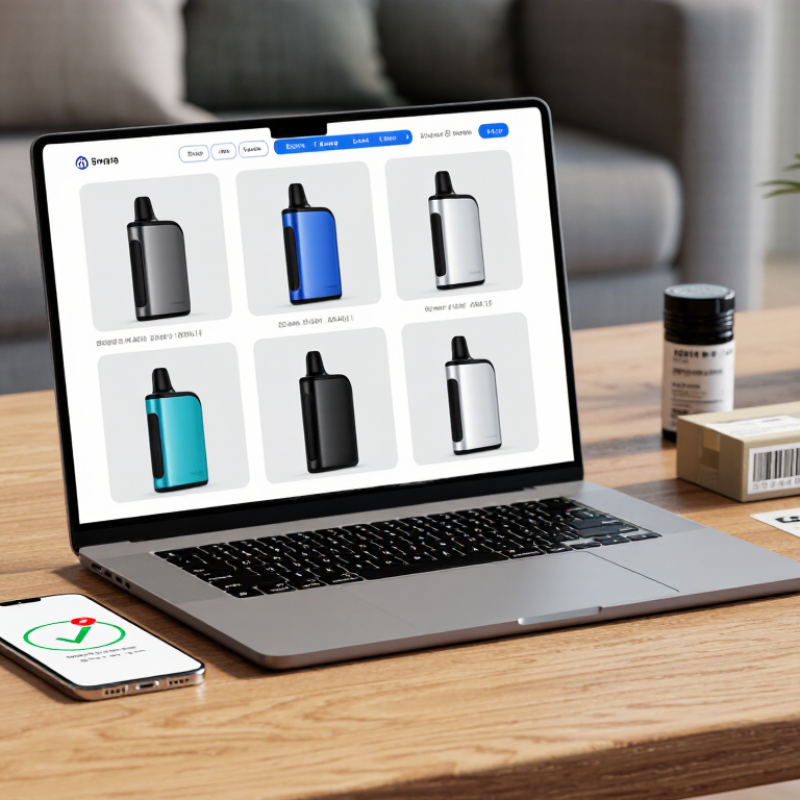
How to Buy Legal Disposable E-Cigarettes Online?
Buying disposable e-cigarettes online requires more than checking price and flavor. Laws differ by country, state, and sometimes city. Before ordering, confirm the rules for your delivery address. Some areas restrict sales, nicotine strength, flavors, or disposable formats entirely. A product sold legally elsewhere may not be lawful where you live.
Age verification is essential. A responsible website should request your date of birth and use a reliable identity check before payment. It should also display clear product information, including nicotine content, ingredients, manufacturer details, warnings, and a batch or lot number. In many regions, authorized products must meet specific safety and packaging standards. I look for licensing information and compare it with an official government or regulator website. A polished storefront proves very little.
Check shipping terms carefully. The seller should explain taxes, delivery limits, and what happens if the package cannot legally enter your area. Avoid websites that hide their address, accept unusual payment methods, or promise delivery without verification. Keep the invoice and product packaging after purchase. These details can support a complaint or recall request. I have learned that convenience can make people skip basic checks. I still find some legal requirements confusing, especially when rules change. When information conflicts, pause the order and contact the relevant authority. Do not buy if the product, seller, or local requirements remain unclear.
| Market | Online Purchase Status | Minimum Buyer Age | Product Requirements | Disposable E-Cigarette Position | Online Buyer Verification Checklist |
|---|---|---|---|---|---|
| United States | Conditionally permitted | 21 nationwide under federal law; some jurisdictions may impose additional requirements. | Products generally need authorization from the U.S. Food and Drug Administration. Federal and state excise-tax, registration, licensing, shipping, and reporting rules may apply. | Legal availability depends on federal authorization and the state or local jurisdiction. Many states restrict or prohibit flavored products, online sales, or delivery. | Confirm the seller is legally permitted to ship to the destination, complete age verification, check state restrictions, and review shipping and tax disclosures. The U.S. Postal Service generally cannot mail vaping products under federal shipping restrictions. |
| United Kingdom | Not permitted for disposable products | 18 for regulated vaping products. | Before the single-use vape prohibition, nicotine products were subject to notification, packaging, health-warning, tank-capacity, and nicotine-strength rules. The nicotine concentration limit is 20 mg/ml, with a maximum 2 ml tank for a device. | Single-use and disposable vapes cannot legally be supplied or sold in the UK from 1 June 2025. Reusable products may remain lawful when they meet applicable requirements. | Do not purchase a product advertised as disposable. Check that any reusable alternative is correctly notified, carries required warnings, and is sold by a compliant retailer using robust age checks. |
| European Union | Varies by member state | Usually 18, but the exact rule is determined by national law. | EU Tobacco Products Directive requirements include a maximum nicotine concentration of 20 mg/ml, a maximum 2 ml capacity for tanks or cartridges, child-resistant and tamper-evident design, ingredient and health-warning information, and product notification. | Some member states allow compliant disposable products, while others have introduced or proposed national restrictions and bans. Cross-border online sales may be limited or prohibited. | Check the destination country's legislation, confirm that the product is notified or registered where required, verify nicotine strength and capacity, and determine whether the seller may legally ship across the border. |
| Canada | Conditionally permitted | 18 federally; several provinces and territories set a higher minimum age, commonly 19. | Products are regulated under the Tobacco and Vaping Products Act. Federal nicotine concentration is capped at 20 mg/ml. Packaging, health warnings, product restrictions, excise duties, and provincial rules may apply. | Disposable products may be lawful only when they meet federal and provincial requirements. Flavour restrictions and retail rules differ across provinces and territories. | Confirm the buyer's age under the destination province or territory, check nicotine concentration and labeling, verify applicable excise markings, and ensure the retailer ships legally to the address. |
| Australia | Restricted to therapeutic supply channels | Age and prescription requirements depend on the applicable therapeutic-vaping and state or territory rules. | Therapeutic vapes are regulated through the Australian therapeutic-goods framework. Since 1 October 2024, supply is primarily through pharmacies and approved therapeutic pathways, with product, labeling, nicotine, and prescription conditions applying. | Ordinary consumer online sales of disposable nicotine vapes are not a generally lawful retail route. Disposable products may only be available when supplied through an authorized therapeutic pathway and when all requirements are satisfied. | Use an authorized pharmacy or approved medical pathway, confirm whether a prescription or other authorization is required, and avoid overseas websites offering direct consumer shipment without Australian compliance information. |
| General cross-border purchase | Destination law controls | The stricter age rule may apply during verification, depending on the jurisdictions involved. | Import bans, customs declarations, product authorization, nicotine limits, tax, environmental rules, and carrier restrictions can apply independently of the seller's location. | A product that is legal in the seller's country may be illegal to import, possess, or sell in the buyer's country or region. | Check government sources for the destination, review the seller's legal business details and delivery policy, avoid sellers that skip age checks, and retain invoices and product information. |
Regulations change frequently and may differ within a country. Before ordering, verify the current rules with the relevant government, customs, health, tobacco, or consumer-protection authority. This table is general information and is not legal advice.