icon4

Free Delivery On Orders Over £20

NV products are only for people over the age of 18 years who either smoke or vape
Basket: 0 items

7 Best Facts About Disposable Cigs Risks and Rules

Disposable cigs, more accurately called disposable e-cigarettes, can look like low-risk convenience products. They are not harmless. A colorful shell or sweet scent cannot reveal nicotine strength, aerosol contents, or product quality. That uncertainty matters. Nicotine can cause dependence, and exposure is especially concerning for adolescents. A disposable design does not make a product’s contents or environmental footprint simple.

The CDC and FDA’s 2024 National Youth Tobacco Survey found that 1.63 million U.S. middle and high school students currently used e-cigarettes. Among these users, 55% reported disposable devices as their usual product. The World Health Organization’s e-cigarette fact sheet warns that aerosols can contain nicotine and other harmful substances; long-term effects remain under study. That is not reassurance. Rules also vary across countries and regions. Age limits, product authorization, packaging, and disposal requirements may apply, so local regulator guidance matters. An empty device can leave a plastic casing and battery behind. Risk is not only about the puff. This guide examines seven evidence-based facts about health risks and rules, drawing on public-health reports and regulatory sources rather than product claims. It distinguishes documented concerns from unanswered questions. One limitation is worth noting: surveys capture reported use, not every device or exposure. Some details are easy to miss, and the evidence is still evolving.
7 Best Facts About Disposable Cigs Risks and Rules

Disposable E-Cigarettes: Single-Use Devices Containing E-Liquid

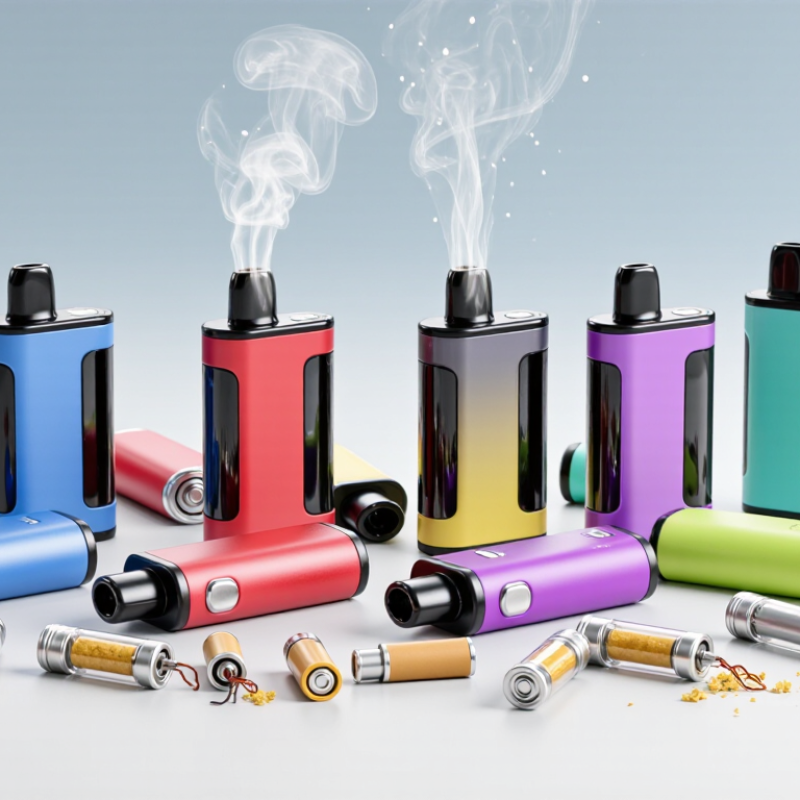
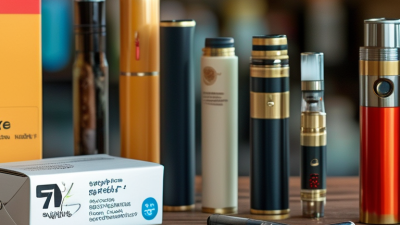
Disposable e-cigarettes are compact, single-use devices that contain e-liquid and a small battery. When activated, a heating element turns the liquid into an aerosol for inhalation. Some products contain nicotine; others may not. The amount and ingredients can vary, so check the package rather than guessing. The aerosol is not simply water vapor, and breathing it in can expose users to nicotine and other substances. Small devices can look harmless. That impression can be misleading.

A disposable device is designed for limited use, not routine refilling or repair. Leaks, cracks, or unusual heat are reasons to stop using it. Nicotine can cause dependence, and accidental contact with e-liquid may be harmful, especially for children and pets. Rules on sales, labeling, and disposal differ by location and can change. Check current guidance from local health or environmental authorities. I would not assume that a small device belongs in ordinary household waste; its battery and leftover liquid need careful handling.

Tips: Read the ingredient and nicotine information before use. Keep devices and liquid away from children and pets. Don’t open, refill, or modify a disposable device. For disposal, follow local battery or e-waste instructions, and use a collection point when available. If the label is unclear, pause and seek reliable local guidance.
Nicotine and Aerosol Risks: WHO Says E-Cigarettes Are Not Safe

The World Health Organization says e-cigarettes are not safe. Their aerosol is not harmless water vapor: it can contain nicotine, toxic chemicals, fine particles, and metals. Heating a liquid creates an aerosol that users breathe deep into their lungs. A sweet scent may seem reassuring, but it says nothing about safety. WHO’s “Tobacco: E-cigarettes” guidance warns that nicotine is addictive and exposure can harm health.

Disposable devices deserve the same caution. The US Centers for Disease Control and Prevention’s 2023 National Youth Tobacco Survey found that about 2.1 million US middle and high school students currently used e-cigarettes. Among those users, 60.7% reported using disposable products. These figures describe US students, not every population. Still, they show how common disposable devices were among young users. The CDC also notes that aerosol may contain cancer-causing chemicals and heavy metals. The exact mix can vary by device and liquid, so appearance is a poor guide.

Tips: Keep devices and liquids away from children and pets. Avoid inhaling other people’s aerosol in enclosed spaces. If you already use nicotine, ask a qualified health professional about evidence-based support for reducing or stopping; a device’s “lighter” feel is not proof of lower risk.

7 Best Facts About Disposable E-Cigarette Risks and Rules

# Fact What the evidence means Practical rule Reference
1 E-cigarettes are not safe. The World Health Organization says e-cigarette emissions can contain nicotine and other toxic substances that may harm users and people exposed to the aerosol. The long-term effects are still being studied. Do not treat an aerosol as harmless water vapor; avoid using or inhaling it, especially around others. WHO: Tobacco and e-cigarettes
2 Nicotine can cause dependence. Many e-cigarettes contain nicotine, an addictive substance. Nicotine exposure during pregnancy can harm fetal development, and adolescent exposure can affect the developing brain. Check product information where available, but do not assume a disposable device is nicotine-free unless this is reliably verified. CDC: Health effects of e-cigarettes
3 The aerosol is not simply water vapor. E-cigarette aerosol may contain nicotine, fine particles, volatile organic compounds, and metals. The substances present vary by product and use. Avoid indoor use and exposure to other people; ventilation does not make aerosol exposure risk-free. CDC: Health effects of e-cigarettes
4 Secondhand aerosol can expose bystanders. People nearby may breathe in substances released into the air when someone uses an e-cigarette. Children and people with existing health conditions warrant particular consideration. Keep use away from children, pregnant people, and shared indoor spaces, and follow local smoke- and aerosol-free rules. WHO: Tobacco and e-cigarettes
5 Rules differ by location. Minimum-age sales requirements, advertising limits, product standards, and restrictions on where e-cigarettes may be used vary between countries and jurisdictions. Check current local laws before buying, carrying, selling, or using a disposable e-cigarette; do not assume rules are the same everywhere. WHO: Tobacco
6 Disposable devices contain batteries and electronic parts. Because a disposable e-cigarette includes a battery and electronic components, it should not automatically be treated as ordinary household waste. Collection and recycling options depend on local services. Follow local battery and electronic-waste guidance. Do not puncture, crush, or burn a device; keep damaged batteries away from heat. U.S. EPA: Electronics donation and recycling
7 Quitting support is available. Stopping nicotine use can be challenging because nicotine is addictive. Health professionals and evidence-based quit-support services can help people make a plan suited to their needs. Ask a qualified health professional or consult an official local quitline or cessation service for support. WHO: Promoting smoking cessation

Rules and disposal options vary by location. This table provides general information and is not a substitute for local regulations or individual medical advice.

2024 U.S. Youth Data: CDC Found 55.6% Used Disposable E-Cigarettes

7 Best Facts About Disposable Cigs Risks and Rules

2024 U.S. Youth Data: CDC Found 55.6% Used Disposable E-Cigarettes

The CDC and FDA’s 2024 National Youth Tobacco Survey estimated that 1.63 million U.S. middle and high school students currently used e-cigarettes. Among those current users, 55.6% reported using disposable devices. That figure does not mean 55.6% of all students used them. The distinction matters. The survey also found youth e-cigarette use had fallen from 2.13 million students in 2023.

Disposable devices can look small and simple, but many contain nicotine. The CDC warns that nicotine can harm brain development, which continues into young adulthood. E-cigarette aerosol may also contain tiny particles and other potentially harmful substances. A sweet smell says nothing about what the aerosol contains.

The survey measured reported use, not each student’s nicotine intake or long-term health. It cannot tell us why a young person chose a disposable device, either. That gap deserves attention. Still, the data offers a clear signal for families, schools, and health professionals: disposable products made up more than half of youth users’ reported e-cigarette use in 2024. Reading the percentage carefully is part of taking the risk seriously.

Disposable E-Cigarette Use Among U.S. Youth E-Cigarette Users (2024)

In 2024, 55.6% of U.S. youth who currently used e-cigarettes used disposable e-cigarettes. The 44.4% figure is the arithmetic complement, not a separately reported product category. Source: CDC, 2024 National Youth Tobacco Survey.

U.S. Sales Rules: FDA Sets the Minimum Purchase Age at 21

In the United States, federal law sets 21 as the minimum age for buying tobacco products, including disposable e-cigarettes. Retailers cannot sell them to anyone under 21, whether the sale happens in a shop or online. They must check photo identification for customers who appear younger than 30. A birthday alone is not enough; the date on the ID matters.

These rules limit access, but they do not make a product safe. Many disposable e-cigarettes contain nicotine, which can lead to dependence. A device may fit in a pocket, yet still deliver nicotine in a way that is easy to underestimate. A legal sale is not a safety endorsement. That distinction can get lost when packaging looks simple and familiar.

Retail staff need clear age-check procedures and should refuse a sale when valid identification is missing. Parents and caregivers can also store devices out of sight and reach, especially around younger children. Rules may differ by state or city, so checking local guidance is sensible. Still, enforcement is not perfect. A rushed checkout or unclear policy can create gaps, and that is worth admitting.

Battery Disposal Rules: EPA Says Keep Lithium-Ion Devices Out of Trash

A disposable cigarette can look harmless once it stops working: a light plastic shell, a short mouthpiece, and no obvious way to remove its battery. But many contain lithium-ion batteries. EPA guidance says these devices should stay out of household trash and regular recycling bins. Damaged batteries can spark fires when crushed in collection trucks or sorting facilities. Small item. Real hazard.

Use a local battery-recycling or household hazardous-waste collection point, and check its instructions before dropping anything off. Some programs accept the whole device; others have specific rules.

Do not pry open a sealed unit or put it in a mailbox. If the device is swollen, leaking, unusually warm, or visibly damaged, avoid handling it and ask your local waste authority how to manage it safely. Keep it away from heat while you seek guidance.

The labels are not always clear, which is frustrating, so checking first matters. Collection options and requirements can vary by community.

X
0
    0
    Your Basket
    Your basket is emptyReturn to Shop