icon4

Free Delivery On Orders Over £20

NV products are only for people over the age of 18 years who either smoke or vape
Basket: 0 items

What Is a Disposable Ecigarette and How Does It Work?

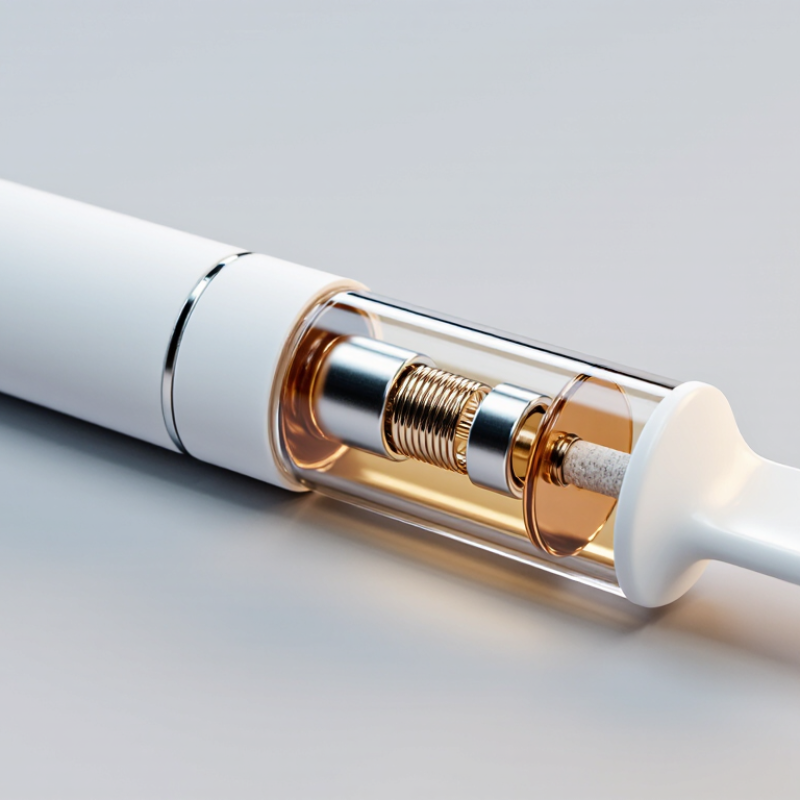
A disposable ecigarette is a small, prefilled vaping device designed for limited use. It usually contains a battery, a heating coil, an absorbent wick, and a sealed liquid reservoir. When a user draws through the mouthpiece, a sensor detects airflow and activates the battery. The coil then heats the liquid, creating an aerosol that the user inhales. No flame is involved. This mechanism sounds simple. It is not entirely simple.

From a practical viewpoint, the device may feel like a smooth plastic tube, often light enough to fit in a pocket. Its battery and liquid supply are generally not intended for refilling or routine charging, although designs vary. The liquid may contain nicotine, flavorings, and other ingredients, so labels deserve careful attention. Public health authorities warn that vaping aerosols are not harmless, and nicotine can cause dependence. Evidence also continues to develop. This matters. A responsible explanation should separate confirmed functions from uncertain long-term effects.

This article examines the device’s components, activation process, expected lifespan, and disposal concerns. It also considers who should avoid these products, including young people, non-smokers, and pregnant individuals. Local age restrictions and waste rules may apply. Check official guidance before purchase or disposal. The goal is understanding, not encouragement. Even familiar devices deserve a closer look.
What Is a Disposable Ecigarette and How Does It Work?

What Is a Disposable Ecigarette?

A disposable ecigarette is a compact electronic device designed for limited use. It usually contains a battery, a heating element, an e-liquid reservoir, an airflow sensor, and a mouthpiece. Unlike traditional cigarettes, it does not burn tobacco. Instead, the device heats liquid into an inhalable aerosol.

The word disposable can be misleading. Some models stop working when their liquid or battery is depleted, while others may include limited charging features. Users generally cannot refill the sealed reservoir safely or replace internal parts. When airflow activates the device, the battery sends power to a small coil. The coil heats quickly, and the liquid-soaked material produces aerosol. The user then inhales through the mouthpiece.

E-liquid may contain nicotine, flavoring, and other ingredients. Nicotine can create dependence, and inhaling aerosol is not risk-free. Product contents and operating rules vary by location, so checking official safety information matters. Keep the device away from children, pets, heat, and water. It should not be opened, modified, or placed in ordinary household waste where battery damage may occur. The design looks simple. Its internal process is not.

What Components Make Up a Disposable Ecigarette?

What Is a Disposable Ecigarette and How Does It Work?

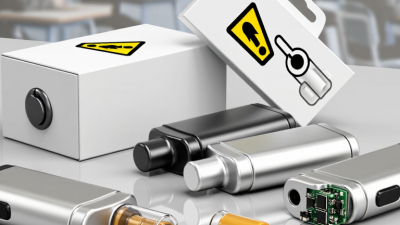
A disposable ecigarette contains several compact parts inside a sealed casing. The mouthpiece guides aerosol toward the user. Beneath it sits a liquid reservoir, usually holding a nicotine-containing formulation where legally permitted. A cotton or ceramic wick draws liquid toward a metal heating coil. The coil receives power from a small lithium-ion battery. A draw sensor detects inhalation and activates the circuit board. Air then moves across the heated coil and exits through the mouthpiece.

The control board manages activation, airflow response, and basic safety limits. Some devices also include an indicator light, silicone seals, and a protective film around the battery. These parts look simple, but their tolerances matter. A loose seal may cause leakage. Poor airflow design can create a harsh sensation. The experience is not perfectly consistent.

Material Focus reported that roughly five million disposable vapes were discarded weekly in the United Kingdom during 2023–2024. That figure highlights the hidden cost of the battery, circuit board, and casing. Recycling is difficult because these components remain assembled. The report also shows why “single-use” does not mean “material-free.” Actual construction varies, and public specifications are often incomplete. That lack of detail deserves more scrutiny from manufacturers, regulators, and consumers.

What Is a Disposable Ecigarette and How Does It Work? - What Components Make Up a Disposable Ecigarette?

Component or Feature Primary Function How It Works Common Materials or Characteristics Important Practical Notes
Outer Shell Protects the internal parts and gives the device its shape. The shell surrounds the battery, liquid reservoir, heating system, and control components. Usually made from lightweight plastic, metal, or a combination of materials. The shell is not intended to be opened or modified by the user.
Battery Supplies electrical energy to the heating element. When the device is activated, the battery sends current to the coil. Most devices use a small rechargeable or non-rechargeable lithium-based battery, depending on the design. A disposable device should not be exposed to extreme heat, water, crushing, or puncture.
Heating Coil Converts electrical energy into heat. The coil heats the liquid delivered by the wick, producing an aerosol that can be inhaled. Typically made from a resistive metal wire or mesh designed to heat rapidly. The coil does not burn tobacco; it heats an e-liquid formulation.
Wick or Liquid-Delivery Material Moves e-liquid from the reservoir to the heating coil. Capillary action draws liquid into the material surrounding or contacting the coil. Commonly consists of cotton, ceramic, or another porous, heat-resistant material. If the wick is not adequately supplied with liquid, the device may produce a harsh or burnt taste.
E-Liquid Reservoir Stores the liquid used to produce aerosol. The liquid is gradually transferred to the wick and heated by the coil. May be an absorbent material, sealed tank, or prefilled internal chamber. E-liquid commonly contains propylene glycol, vegetable glycerin, flavorings, and may contain nicotine.
Mouthpiece Provides the opening through which the user draws air and aerosol. Air and generated aerosol travel through the internal air path and exit through the mouthpiece. Usually integrated into the top section of the plastic or metal housing. The mouthpiece should not be shared because it comes into direct contact with the user.
Airflow Inlet Allows air to enter the device. When the user inhales, air passes through small openings and moves across the heating area. Usually consists of one or more small openings located near the base or sides of the device. Blocking the airflow can reduce vapor production and may affect the device's activation.
Draw-Activated Sensor Detects inhalation and starts the heating cycle. A pressure or airflow change triggers the electronic control circuit without requiring a physical firing button. Common in compact disposable designs because it simplifies operation. A device that activates by itself should be moved away from flammable materials and disposed of safely.
Control Circuit Manages power delivery and basic operating protections. The circuit controls the connection between the battery and coil during use. May include a small printed circuit board, sensor connections, and protective electronics. Protection features can vary and may include safeguards against over-discharge, short circuits, or overheating.
Indicator Light Communicates basic operating status. The light may turn on during activation or flash when the battery is depleted or a fault is detected. Usually a small LED positioned near the base, airflow opening, or mouthpiece. Indicator patterns differ by device design and should not be treated as a precise battery or liquid measurement.
Vapor or Aerosol Pathway Directs the generated aerosol from the coil to the mouthpiece. Air drawn through the device mixes with aerosol produced at the heating area before exiting. Formed by internal channels, a central tube, or spaces within the housing. The output is an aerosol, not harmless water vapor; its contents depend on the e-liquid and heating conditions.
Disposable Design Allows the complete unit to be discarded after its usable battery charge or e-liquid supply is depleted. The battery and liquid system are generally integrated into a sealed body rather than designed for routine replacement. Usually compact, prefilled, and intended for limited-duration use. Because the device contains a battery and electronic components, it should be handled through appropriate electronic or battery-recycling channels where available.

How Does a Disposable Ecigarette Work Step by Step?

A disposable ecigarette is a compact vaping device designed for limited use.

It usually contains a battery, a small e-liquid reservoir, a heating coil, and an airflow sensor. Some models contain nicotine, while others do not.

Always check the product label and local age and safety requirements.

The process begins when a user draws through the mouthpiece. The airflow sensor detects the change in pressure and activates the battery. Power then travels to the heating coil, which warms the e-liquid held in an absorbent material or sealed chamber.

The liquid changes into an aerosol, not harmless water vapor. This aerosol travels through the mouthpiece for inhalation.

When the user stops drawing, the sensor normally switches the coil off. The battery cannot usually be recharged, and the device is discarded when its liquid or power runs out.

The experience can vary.

A weak draw may indicate low battery, blocked airflow, or an empty reservoir. It is easy to assume the device is faulty, but storage temperature can also affect performance.

Tips: Keep the device dry and away from heat. Do not open, refill, burn, or modify it. Stop using it if the casing leaks, becomes unusually hot, or smells burnt.

Dispose of it through suitable electronic-waste channels where available.

Because nicotine can cause dependence, people who do not already use nicotine should avoid starting.

What Happens During Inhalation and Vapor Production?

What Is a Disposable Ecigarette and How Does It Work?

During inhalation, a pressure sensor detects airflow through the device. It then activates a small battery, which powers a metal heating coil. The coil warms e-liquid held in an absorbent wick. This produces an aerosol, not harmless water vapor. Tiny droplets travel through the mouthpiece and into the user’s airways.

The aerosol may contain nicotine, ultrafine particles, flavoring chemicals, and metals. The World Health Organization describes these emissions as harmful and variable. The National Academies’ 2018 report also found that emissions depend on device design, liquid ingredients, heating temperature, and puffing behavior. A longer or stronger inhalation can change the aerosol’s amount and composition. Burnt taste can signal overheating. It is a small warning, but not a complete safety test.

Tips: Avoid opening, modifying, or refilling a disposable device. Keep it away from children and heat. Follow local battery and electronic-waste instructions. The U.S. Centers for Disease Control and Prevention states that no e-cigarette aerosol is harmless. That wording matters. The device may look simple, yet its chemistry is less visible than its plastic shell. Even technical explanations can sound too reassuring.

How a Disposable E-Cigarette Produces Aerosol

When a user inhales, an airflow sensor activates the battery. Electrical power then heats the coil, causing e-liquid to form an aerosol that is carried through the mouthpiece. The chart shows the calculated coil power at different resistances using a nominal 3.7 V lithium-ion cell voltage.

Key relationship: Lower electrical resistance allows more power at the same voltage, generally increasing heating intensity. Actual aerosol production also depends on airflow, liquid composition, coil design, and puff duration.

How Is a Disposable Ecigarette Used and Discarded?

A disposable ecigarette is a compact device that combines e-liquid, a heating coil, a battery, and a mouthpiece. Many models activate when the user draws gently, so no button is needed. The coil warms the liquid and produces an aerosol for inhalation. Some devices are sealed, while others include a charging port. Read the packaging carefully before use.

Use only the instructions provided with the device. Check the mouthpiece for damage or liquid before taking a short, gentle puff. Do not share it, modify it, refill it, or use it near heat and water. Stop using the device if it leaks, becomes unusually hot, smells burnt, or works irregularly. Nicotine can cause dependence and may affect the heart and nervous system. Adults should follow local age and usage requirements. Keep the device away from children and pets.

Disposal needs more care than ordinary litter. Do not crush, puncture, burn, or dismantle the device, because its battery may ignite. When the liquid is finished or the device stops working, place it somewhere cool and dry. Take it to an approved battery or electronic-waste collection point whenever possible. Local instructions differ, and ordinary household bins may not be suitable. It is easy to forget the battery inside. That small oversight matters. If a collection service is unavailable, contact the local waste authority for specific guidance.

X
0
    0
    Your Basket
    Your basket is emptyReturn to Shop