A disposable electronic device is an electrically powered product designed for limited use or a short service life. It may stop working after one task, or simply be difficult to recharge, repair, or reuse. The category can include single-use sensors, basic cameras, and other compact products. The exact boundary is not always clear. The term can be a little messy.
Most examples share a few visible parts: a small circuit board, a power source, and an outer casing. A battery may run a sensor for one medical test, while a compact camera may be intended for a single event. These devices can be convenient, but convenience does not make their materials disappear. Even a palm-sized product may contain metals, plastics, and a battery that need careful handling. Small item. Real impact.
When evaluating a disposable electronic product, check its stated purpose, expected lifespan, and disposal instructions. Look for clear manufacturer information rather than relying on packaging claims alone. Some devices can be returned through a retailer or accepted by a local electronics collection program; options vary by location. Never assume a household bin is suitable, especially when a battery is built in. A useful guide should explain what makes these products different, why they are designed for limited use, and what responsible handling can look like. It should also admit a difficult point: some products are called disposable even when parts could potentially be recovered. That gap deserves attention.
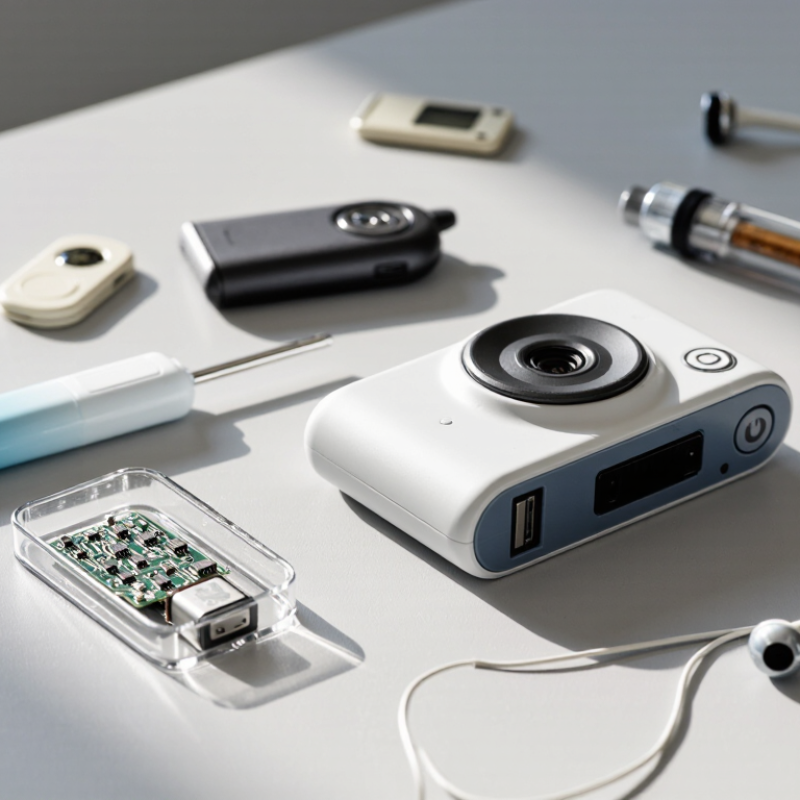
A disposable electronic device is designed for a limited period of use, rather than repeated repair or long-term maintenance. Its defining feature is the product’s intended lifecycle, not simply its size or price. A small device can still be reusable if its parts are replaceable.
Many disposable devices combine their electronics, power source, and outer casing in one compact unit. The battery may be sealed inside, while the controls and functions are built for a specific task. When the device stops working or its useful period ends, replacing the whole unit may be easier than servicing it. That matters.
The boundary is not always tidy. Some products allow a battery or component to be changed, even if the rest is meant to be discarded. A clear sign is whether the maker provides practical repair instructions, spare parts, or a supported reuse route. Without those options, the device is more likely to be disposable in practice.
Materials still have value after use. Circuit boards, batteries, and plastic housings may need different handling, so placing the whole device in household rubbish can waste recoverable materials or create risks. Check local electronic-waste guidance before disposal. Not always convenient, but important.
A disposable electronic device performs a limited task and is designed for one use or a short service life. Inside, a small battery supplies power to a circuit board. The circuit directs that power to parts such as a sensor, timer, or light. In a single-use temperature logger, for example, a sensor checks readings and a chip stores them. A display or indicator may show the device’s status. No charging port.
When activated, a switch or pull tab closes the circuit, allowing current to flow. The chip follows preset instructions, then signals an output or records data. Some devices run until their battery is depleted; others stop after a timer or one task. Compact cases protect delicate parts, but can make repairs difficult. Small, but not simple. This explanation is simplified: designs differ, and the actual operating steps depend on each device’s purpose and components.
Tips: Check the label for activation and handling guidance. Keep the device dry unless it is marked otherwise, and avoid opening a sealed case. When it stops working, use a local electronics collection point where available; batteries and circuit boards should not automatically go into household trash.
A disposable electronic device uses a built-in battery to power a circuit and its components. In a typical single-use alkaline cell, voltage gradually falls as the battery’s capacity is used. The figures below are approximate; actual performance varies with the cell, electrical load, and temperature.
What Is a Disposable Electronic Device?
Common Types and Their Main Components
A disposable electronic device is designed for a limited period of use, then discarded or replaced. A single-use camera is one familiar example: its plastic shell holds a lens, a small circuit, a flash, and a battery. Temperature loggers may record conditions during shipping, while some medical sensor patches collect data for a short time. In the latter case, the patch may be disposable even when its reader is reusable. Small, but not simple.
Inside, most devices combine a few basic parts. A battery supplies power, and a circuit board directs it. Sensors detect changes such as temperature, movement, or light. Other models include a screen, indicator light, button, or memory chip. The outer casing protects these components from handling and moisture, though protection varies by design. A sealed case can make repair difficult.
“Disposable” does not always mean every part is meant to be thrown away. Some units contain batteries or circuit boards that need separate handling, and packaging may account for much of the waste. Check the product instructions for disposal guidance rather than assuming the whole device belongs in ordinary rubbish. I’ve found the label can be a little misleading: short-lived use does not necessarily mean simple construction.
| Device Type | Typical Use | Main Components | Power or Data Features | End-of-Life Considerations |
|---|---|---|---|---|
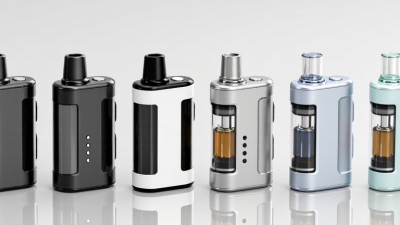
| Disposable electronic cigarette | Provides a limited supply of aerosol from a prefilled liquid reservoir. | Rechargeable or single-use lithium battery, heating coil, wick, liquid reservoir, airflow sensor, control circuit, and mouthpiece. | The battery powers the heating element; airflow activation commonly starts the device. | Contains a battery and electronic components, so it should not be placed in general rubbish or recycling bins. Follow local battery and electronic-waste rules. |
| Single-use film camera with electronic flash | Captures photographs on a fixed roll of film, often with a built-in flash. | Film, lens, shutter mechanism, plastic body, battery, flash capacitor, and flash circuit. | A small battery powers the flash circuit; some models use a motor to advance the film. | Film processing and recovery of usable parts may be available through specialist services. The battery and flash circuitry require appropriate handling. |
| Single-use temperature or humidity data logger | Records environmental conditions during transport or storage, such as temperature-sensitive shipments. | Temperature or humidity sensor, microcontroller, memory, battery, circuit board, and a status indicator or data interface. | Stores readings in memory and may provide results through a display, USB connection, or wireless interface, depending on the model. | Some units are designed for one shipment or limited use. Batteries and circuit boards should be separated or handled through suitable electronic-waste channels where available. |
| Disposable electronic sensor patch | Measures a short-term physiological or environmental signal for monitoring or testing. | Sensor or electrode, flexible substrate, conductive traces, small battery or external reader connection, and sometimes a compact processing circuit. | May transmit readings to a separate reader or record them locally; capabilities vary by application. | Used medical or laboratory patches may be subject to hygiene and regulated-waste rules. Electronic parts and batteries should be handled according to local guidance. |
| Disposable RFID or NFC label | Identifies or tracks an item in retail, logistics, access, or inventory systems. | Printed antenna, integrated circuit (chip), adhesive label material, and protective paper or plastic layers. | Most passive labels obtain operating energy from a nearby reader and do not contain a battery. NFC operates over a short range; RFID range depends on its frequency and design. | Often disposed of with the labelled item. The small chip and mixed materials can make conventional recycling difficult; follow local packaging and electronic-waste guidance. |
“Disposable electronic device” is a broad description rather than a single technical category. It generally refers to an electronic product designed for one use, a limited operating period, or disposal after a particular task.
A disposable electronic device is designed for a short service life, then discarded rather than repaired or refilled. Its small casing may hide a circuit board, sensor, and battery. Some devices stop working when one component fails; others are tossed because opening the sealed case is difficult or replacement parts cost more than buying another. Convenient, yes. But “single-use” can obscure the materials left behind.
Why are they discarded after use? Often, repair is impractical, and collection points are inconvenient. Hygiene needs or changing product requirements can also make reuse unsuitable. The Global E-waste Monitor 2024 reported that the world generated 62 million tonnes of electronic waste in 2022; only 22.3% was documented as formally collected and recycled. That figure covers e-waste broadly, not disposable devices alone, but it shows why their batteries and circuit boards matter. A device that looks empty may still contain recoverable materials—and parts that need careful handling. We do not always know where every discarded unit ends up.
Tips: Check local electronic-waste collection guidance before disposal. Keep devices intact, and do not place built-in batteries in household recycling unless local instructions allow it.
A disposable electronic device is designed for limited use, then replacement rather than long-term repair. Even a small unit can contain a battery, circuit board, metals, and mixed plastics. Small devices still matter. When discarded carelessly, their materials can become waste instead of entering appropriate recovery streams. The compact size can make them easy to overlook, which is part of the problem.
Battery safety deserves attention before disposal. Avoid crushing, puncturing, heating, or soaking a device, especially if its casing is damaged. A swollen battery, unusual warmth, leakage, or a sharp chemical smell calls for extra caution. Do not try to open it with household tools. That may expose components or create a short circuit. Keep damaged devices away from children and combustible materials while checking local guidance.
Disposal options vary by location, so check municipal instructions or an electronics collection point rather than assuming household rubbish is suitable. Store used devices in a dry place, away from loose metal objects that could touch exposed contacts.
I used to think small items could not add up to much; that assumption was convenient, but incomplete.
Collection can be less convenient too, and that matters in real life. Keep the device intact until you can take it to an appropriate drop-off point.