Fast Delivery & Dispatch
Choosing China’s top vapor disposable cigarettes suppliers requires more than comparing prices or colorful product catalogs. Global buyers need dependable manufacturing, clear compliance records, and consistent product quality. A supplier may show impressive factory images, yet documentation must confirm the real situation.
This guide focuses on practical evaluation. Buyers should inspect product specifications, ingredient disclosures, laboratory reports, and age-restricted packaging requirements. Reliable suppliers can explain battery safety controls, leak testing, batch coding, and quality inspection procedures. They should also provide traceable production records, responsive communication, and export documents suitable for the destination market. Small details matter. A clear carton label can prevent costly customs delays.
Experience remains important. Request samples from different production batches, not only one selected unit. Check draw consistency, charging behavior, packaging seals, and printed information. Ask how defects are recorded and resolved. A professional supplier should discuss minimum order quantities, lead times, private-label limits, and shipping conditions without making unrealistic promises.
No supplier is perfect.
Even experienced buyers can overlook changing regulations, regional restrictions, or incomplete paperwork. That weakness deserves attention. Requirements may differ between countries, states, and sales channels, so independent legal and compliance checks remain essential. This article does not recommend bypassing any rule or selling to underage consumers. Instead, it presents a careful framework for identifying responsible manufacturers and reducing avoidable sourcing risks. The strongest supplier is not always the cheapest one. It is the partner that can prove quality, communicate honestly, and maintain compliant operations over time.
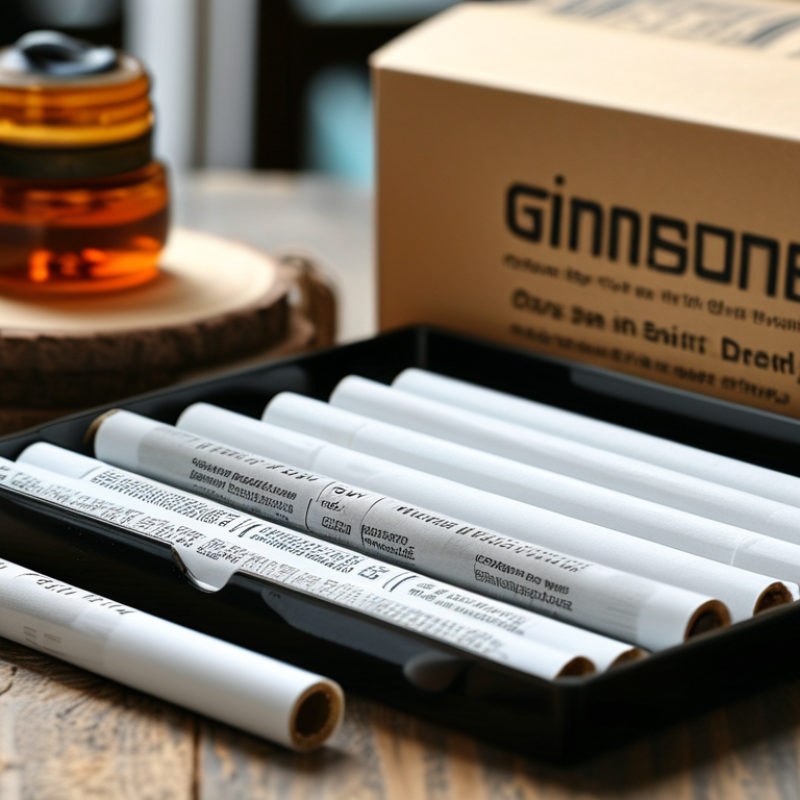
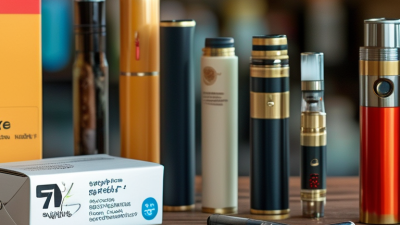
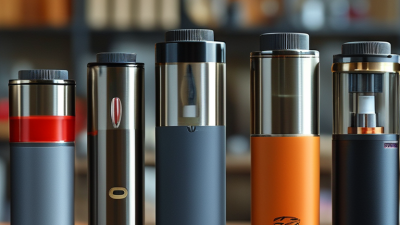
Disposable vapor cigarettes are compact electronic devices designed for one-time or limited use. They usually contain a prefilled liquid chamber, a heating element, a battery, and an airflow channel. When activated, the device heats the liquid and produces an aerosol. It is not harmless smoke, and it should never be marketed as risk-free.
China remains a major sourcing center because its manufacturing network covers batteries, heating components, assembly, packaging, and quality testing. This integrated system can help global buyers compare specifications and control production costs. Experienced suppliers can also support private packaging, sample development, and small design adjustments. However, low prices alone prove nothing. Product consistency, battery safety, liquid composition, and batch records require careful review. Some buyers learn this too late. A polished sample may not represent regular production.
Tips: Request independent laboratory reports and factory quality certificates. Confirm age restrictions, labeling rules, recycling duties, and import requirements in each target market. Ask for a written specification sheet covering capacity, materials, charging limits, and shelf life. Inspect random production samples, not only pre-shipment photos. Keep communication documented. It sounds basic, but missing one compliance detail can delay an entire shipment. Suppliers should also explain how defective units are isolated and replaced. This practical evidence builds trust more effectively than broad marketing claims.
| Evaluation Dimension | Verified Industry Reference | Why It Matters to Global Buyers | Recommended Supplier Check |
|---|---|---|---|
| Product definition | A disposable vapor cigarette is a prefilled electronic device designed to heat e-liquid and produce an aerosol without burning tobacco. | Buyers can position the product accurately and avoid describing it as a conventional combustible cigarette. | Confirm the device type, intended use, e-liquid composition, and applicable product classification in the destination market. |
| Main components | Typical components include a battery, heating coil, liquid reservoir, airflow path, mouthpiece, and activation system. | Component quality affects leakage resistance, draw consistency, battery safety, and user experience. | Request component specifications, incoming inspection procedures, and functional test records. |
| Common device format | Most disposable devices are compact, prefilled, and intended to be discarded after the e-liquid or battery is depleted. | The format offers convenience but creates battery, electronics, packaging, and end-of-life compliance obligations. | Check disposal instructions, battery handling, recycling requirements, and packaging obligations for each destination. |
| E-liquid formulation | E-liquid may contain propylene glycol, vegetable glycerin, flavorings, and optionally nicotine, depending on the product and market. | Ingredient restrictions, nicotine limits, labeling rules, and notification requirements differ by jurisdiction. | Obtain a full ingredient list, nicotine test report where applicable, safety data sheets, and batch traceability records. |
| Puff-count claims | Advertised puff counts are estimates influenced by puff duration, airflow, coil design, battery performance, and liquid volume; there is no single universal test standard for all markets. | Unsubstantiated puff claims can create consumer-protection and advertising risks. | Ask for the test method, sampling plan, average result, tolerance range, and exact conditions behind any puff-count claim. |
| Battery safety | Disposable vapor products commonly contain lithium-based rechargeable or non-rechargeable cells, depending on the design. | Battery transport, overheating, short-circuit, and product-safety risks must be controlled throughout the supply chain. | Review battery specifications, protection design, transport documentation, safety testing, and carton handling instructions. |
| Regulatory fit | Requirements may cover ingredients, nicotine concentration, emissions, child resistance, tamper evidence, packaging, health warnings, marketing, and product notification. | A product legal in one country may be restricted or prohibited in another. | Identify the importer of record and obtain destination-specific legal and compliance confirmation before production. |
| EU reference point | Under the EU Tobacco Products Directive, nicotine-containing e-cigarette tanks and cartridges are generally subject to a 2 ml maximum capacity, while refill containers are generally limited to 10 ml, subject to applicable rules and interpretation. | EU-targeted products require careful review of capacity, labeling, notification, and packaging details. | Validate the current requirements of each EU member-state market with qualified regulatory counsel or the responsible importer. |
| China sourcing advantage | China has extensive electronics, battery, plastics, tooling, assembly, packaging, and contract-manufacturing capabilities relevant to vapor devices. | A coordinated supply base can support faster prototyping, component integration, customization, and production scaling. | Assess vertical integration, approved subcontractors, production capacity, quality personnel, and continuity plans rather than relying only on price. |
| Customization capability | Available customization may include device shape, airflow, coil configuration, e-liquid profile, packaging, labeling, and firmware or indicator behavior where applicable. | Customization can differentiate a product but may increase tooling, validation, minimum-order, and compliance costs. | Request a written specification, tooling ownership terms, prototype approval process, and change-control procedure. |
| Quality management | Important controls include incoming material inspection, in-process testing, leak testing, electrical testing, aging checks, final inspection, and batch traceability. | Documented controls reduce defects and make recalls or investigations more manageable. | Review quality manuals, inspection standards, nonconformance procedures, corrective-action records, and independent inspection options. |
| Supplier verification | A trading intermediary, contract manufacturer, and factory with in-house production may offer different levels of control, documentation, and accountability. | Correctly identifying the supply model improves risk assessment and communication. | Verify the legal entity, manufacturing address, business license, audit results, references, and actual production location. |
| Commercial terms | Total landed cost includes product price, tooling, testing, packaging, freight, insurance, duties, taxes, compliance work, inspection, and possible disposal fees. | The lowest factory quotation may not be the lowest compliant delivered cost. | Compare suppliers using the same specification, Incoterm, packaging configuration, payment terms, lead time, and quality standard. |
| Responsible sourcing | Disposable devices combine plastics, electronics, and batteries, creating waste-management and environmental considerations. | Responsible collection, recycling, and compliant disposal may affect market access, reputation, and long-term cost. | Request material declarations, packaging information, recycling guidance, and a destination-market end-of-life plan. |
Note: Regulatory requirements, nicotine rules, product limits, taxes, and market availability vary by country and may change. Buyers should obtain current destination-specific compliance advice before placing a commercial order.