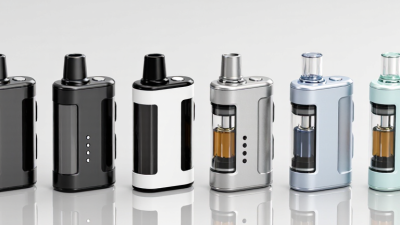
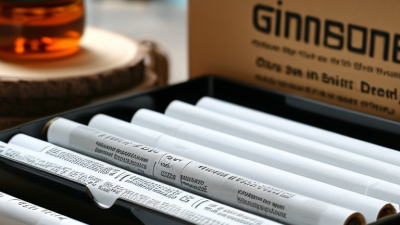
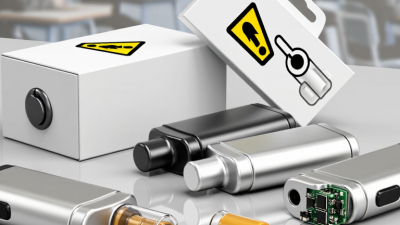
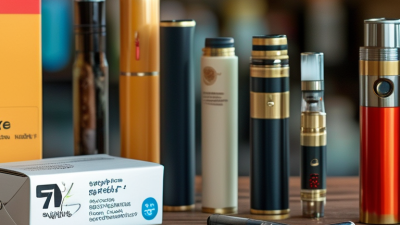
Buying disposable cigs across international markets requires more than comparing prices and flavors. Product rules, age restrictions, nicotine limits, packaging standards, and import requirements vary widely. A product accepted in one country may be restricted in another.
Reliable purchasing begins with evidence. Check the supplier’s company details, manufacturing location, batch records, and independent laboratory documentation. Examine the packaging closely. It should show ingredients, nicotine strength, warnings, production information, and clear usage guidance where required. Missing details are a serious warning sign.
Look at the device itself, too. A sealed mouthpiece, intact packaging, consistent airflow, and a dry surface suggest better handling. Ask how products are stored during transport. Excessive heat can damage batteries, seals, and liquid quality. Small details matter.
Price is not the whole story. Very cheap offers may hide weak quality control, unclear sourcing, or non-compliant labeling. Confirm whether the supplier supports traceability and responds clearly to technical questions. A professional seller should not avoid basic documentation.
The seven buying tips in this guide focus on practical checks for global buyers. They cover legality, supplier credibility, product specifications, packaging, shipping conditions, quality evidence, and after-sales communication. These points cannot remove every risk. I have seen buyers trust attractive photos too quickly. That mistake is easy to repeat.
Stay cautious. Verify before ordering. Only purchase and use products permitted by local law and intended for legal-age consumers.
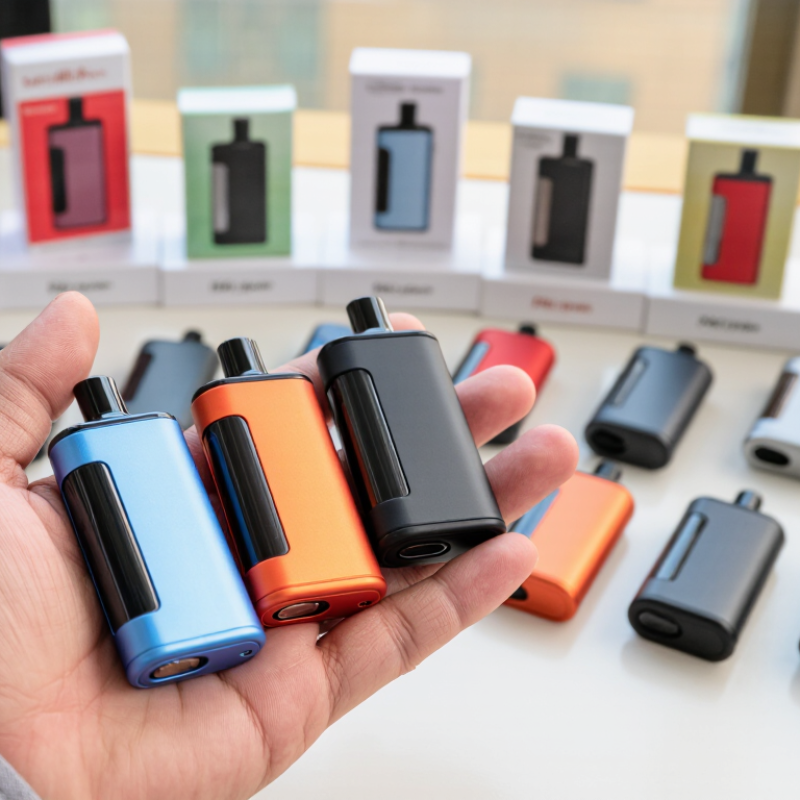
Global buyers should define their target market before comparing disposable nicotine products. Consumer preferences vary by age, language, climate, and purchasing habits. A product suited to one region may fail elsewhere. Check whether local rules permit the product category, nicotine strength, flavors, and device format. Never assume that approval in one country applies globally.
Tips: Build a market checklist for each destination. Record minimum purchase age, nicotine limits, warning-label rules, packaging language, advertising restrictions, import duties, and recycling requirements. Confirm every point through official government sources or qualified local advisers. Keep dated records. Regulations can change quickly.
Ask suppliers for complete compliance documents, including ingredient information, laboratory reports, batch identification, and safety instructions. Review whether labels match the destination country exactly. Some markets require product notification before sale, while others restrict certain features or sales channels. Plan age verification and responsible distribution from the beginning. Do not target minors. That is non-negotiable. I have found that spreadsheets help, but they can still hide gaps. One overlooked translation or recycling rule may delay an entire shipment. Independent legal review is worth considering before payment, especially when importing across several jurisdictions.

Global buyers should assess disposable devices beyond appearance and flavor claims. Check puff estimates, dimensions, airflow design, activation method, and nicotine strength against local regulations. A clear specification sheet should state battery capacity, charging status, liquid volume, and manufacturing date. If key details are missing, treat the product as difficult to verify.
E-liquid quality requires closer inspection. Look for a complete ingredient list, batch number, seal integrity, and independent laboratory reports. Testing should cover nicotine accuracy, contaminants, and heavy metals. A faint chemical smell, leaking mouthpiece, or unusually dark liquid deserves attention. Do not rely on attractive packaging alone. Nicotine products are not risk-free, and buyers should confirm legal age and import requirements in every destination market.
Battery safety is equally important. Select devices with protection against overcharging, short circuits, and overheating. Inspect the battery compartment for swelling, dents, loose parts, or damaged wrapping. Never accept units stored in direct sunlight or near heat sources. Transport cartons should limit crushing and moisture exposure. A practical check is simple: open a sample, inspect the seal, and record its batch details. My checklist is not flawless. Supplier documents can also be incomplete or outdated. For that reason, compare paperwork with physical samples, request recent test records, and keep purchase records for traceability.
Global buyers should verify a supplier before discussing price or shipment volume. Request the company’s legal registration, factory address, ownership details, and export history. Then check these records through official government databases or independent business registries. A polished website proves little.
Tip 1: Confirm every certificate directly with the issuing organization. Check the certificate number, validity period, covered products, and manufacturing site. Certifications should match the supplier’s actual production scope. A document for one facility may not cover another. This detail is often missed.
Tip 2: Review manufacturing controls through a live video audit or qualified inspection. Look for incoming-material records, batch coding, hygiene controls, equipment maintenance, and documented staff training. Ask for recent laboratory reports, including nicotine accuracy, emissions, battery safety, and restricted-substance screening where legally required. Test results should identify the exact batch, not just a product family. Independent testing is stronger. Still, it is not perfect.
Buyers should also examine the supplier’s quality agreement and complaint process. Reliable manufacturers can explain how defective units are isolated, investigated, and recalled through lawful channels. Packaging, warnings, age restrictions, and language requirements must follow the destination market’s rules. Requirements differ widely, so obtain advice from a local compliance professional before ordering. Do not rely only on a sales representative’s assurance. I have seen promising paperwork hide weak traceability, especially when subcontractors are involved. Ask who makes each component, where final assembly occurs, and how records remain available after delivery.
Global buyers should compare more than the unit price when sourcing disposable e-cigarettes. Request a tiered quotation for 500, 1,000, and 5,000 units. Record the product specification, battery capacity, packaging, testing, and warranty separately. A low price may exclude chargers, cartons, inspection, or compliant labels. UN Comtrade data shows that international trade values can vary sharply by product classification, so confirm the correct customs code before comparing suppliers.
Minimum order quantity affects cash flow. Ask whether mixed flavors or specifications count toward one order. A smaller trial order can reveal leakage, battery failures, or inconsistent airflow. It may also carry a higher unit cost. That is acceptable when the alternative is unused inventory. A common mistake is trusting a pro forma invoice without checking production timing. Ask for a written lead time, sample approval process, and replacement policy.
Shipping terms need careful reading. Under Incoterms 2020, EXW, FOB, CIF, and DDP allocate costs and risks differently. The World Bank’s Logistics Performance Index 2023 highlights major differences in customs efficiency and infrastructure between markets. Request separate estimates for freight, insurance, port handling, duties, VAT, brokerage, and local delivery. WHO’s 2023 tobacco control report also shows that nicotine products face different regulatory approaches worldwide. Verify age restrictions, health warnings, ingredient disclosure, battery rules, and import permits with local authorities. My own checklist would still leave room for error: landed cost should be recalculated after the freight booking, not only at quotation stage.
| Buying Tip | What to Compare | Indicative Market Data | Typical Commercial Terms | Potential Import Cost or Risk | Buyer Checklist |
|---|---|---|---|---|---|
| 1. Compare Unit Pricing by Order Volume | Check the ex-works or FOB price separately from freight, taxes, testing, and compliance charges. | Indicative bulk pricing for unbranded disposable nicotine devices commonly falls around US$1.20–US$4.50 per unit, depending on capacity, nicotine format, packaging, and order size. | Small wholesale orders may receive higher pricing. Larger production runs may reduce the unit price by approximately 5%–20%, subject to specifications and volume. | A low unit price may be offset by laboratory testing, artwork setup, special packaging, or destination handling fees. | Request a written quotation showing unit price, packaging, payment terms, validity period, and all exclusions. |
| 2. Confirm the Minimum Order Quantity | Compare standard-stock MOQ with customized packaging or formulation MOQ. | Typical wholesale MOQs may range from 100–500 units for available stock and approximately 1,000–10,000 units for customized packaging or production runs. | Custom artwork, flavor selection, nicotine strength, and carton configuration can each affect the MOQ and lead time. | Ordering below the economical production quantity can increase per-unit freight, packaging, and inspection costs. | Ask whether mixed variants are permitted and whether unused packaging materials are refundable or reusable. |
| 3. Select the Correct Shipping Term | Compare EXW, FOB, CIF, DAP, and DDP only when the responsibilities and destination charges are clearly defined. | For commercial shipments, ocean freight generally offers the lowest cost per unit, while air freight is faster but may face stricter carrier acceptance and battery documentation requirements. | Sea transit may take roughly 20–45 days on many international routes; air transit is often around 5–12 days, excluding customs delays. | Lithium-battery products can require compliant packaging, transport documents, and carrier approval. DDP quotations should be checked carefully for tax and customs coverage. | Confirm the named place, transfer of risk, insurance, customs broker, destination fees, and responsibility for rejected or delayed cargo. |
| 4. Calculate the Landed Cost | Use landed cost rather than product price when comparing suppliers or routes. | Landed cost formula: Product Cost + Inland Freight + International Freight + Insurance + Duty + Excise Tax + VAT/GST + Brokerage + Port or Handling Fees. | A practical budgeting reserve is often 10%–35% above the quoted product value, but tobacco and nicotine taxes can make the final amount substantially higher in some markets. | Import duty depends on the tariff classification and destination. Excise taxes, VAT/GST, environmental fees, and customs valuation rules vary by jurisdiction. | Obtain the correct HS classification from a licensed customs professional before placing a commercial order. |
| 5. Verify Product and Battery Specifications | Compare puff estimates, e-liquid volume, nicotine concentration, battery capacity, charging design, leakage controls, and packaging information. | Common disposable formats may list approximately 2 mL–20 mL of liquid and battery capacities around 350–650 mAh; actual performance depends on airflow, coil design, and usage. | Puff counts are estimates rather than guaranteed outputs and should not be used as the only basis for cost comparison. | Incorrect nicotine labeling, missing battery documentation, or non-compliant packaging can lead to detention, relabeling, recall, or disposal. | Request a specification sheet, safety data where applicable, battery test documentation, batch information, and pre-shipment samples. |
| 6. Check Destination-Market Compliance | Confirm whether disposable nicotine products are legal to manufacture, import, advertise, distribute, and sell in the target market. | Rules differ widely and may include product notification, nicotine limits, health warnings, child-resistant packaging, recycling obligations, age-verification controls, and advertising restrictions. | Regulatory review can add several weeks or months to launch planning and may require local representation or documented quality controls. | Non-compliance may result in border seizure, fines, product withdrawal, license action, or liability for the importer of record. | Consult the destination country’s customs, health, tobacco, consumer-product, and environmental authorities before payment. |
| 7. Audit Quality, Payment, and After-Sales Terms | Compare inspection procedures, defect allowances, replacement policies, payment protection, and traceability. | A common commercial structure is 30% deposit and 70% balance before shipment, although terms vary by supplier relationship and transaction risk. | Production lead times may range from approximately 10–30 days after artwork and specifications are approved, excluding testing and shipping. | Unverified suppliers, undocumented substitutions, inconsistent batches, and unclear warranty terms can create costly returns or inventory losses. | Use a purchase contract, independent pre-shipment inspection, batch records, clear acceptance criteria, and a documented process for defective units. |
Global buyers should treat disposable cigs as regulated consumer products, not simple accessories. Requirements differ by destination, including nicotine limits, labeling, packaging, and authorized sales channels. Check local rules before requesting quotations. A low price means little if the shipment cannot pass inspection.
Tip 1: Request sealed samples from the exact production batch. Test several units, not just one. Check draw consistency, flavor stability, charging behavior, leakage, and visible damage.
Tip 2: Ask for a written quality-control plan. It should cover incoming materials, assembly checks, battery safety, filling accuracy, and final inspection.
Tip 3: Match the sample with clear specifications. Record weight, dimensions, liquid volume, and expected usage. Small differences can reveal weak process control.
Tip 4: Request batch records and independent laboratory reports where legally required. Verify dates, test methods, and product details. Do not accept generic documents.
Tip 5: Inspect packaging closely. Labels should be readable, accurate, and suitable for the destination market.
Tip 6: Ask how defective units are isolated and replaced. A reliable supplier should explain corrective actions, not hide them.
Tip 7: Place only a limited trial order first, with written acceptance standards. This is safer than trusting attractive photos. A polished sample can still conceal inconsistent production.
I have seen buyers focus too much on appearance. That mistake is costly. Keep photos, test notes, and communication records before approving any bulk order.