icon4

Free Delivery On Orders Over £20

NV products are only for people over the age of 18 years who either smoke or vape
Basket: 0 items

China Best Guide to Quitting Disposable Vapes?

Quitting disposable vapes can feel harder than expected. Nicotine may reinforce repeated use, while compact devices make vaping easy to fit into ordinary moments: a commute, a study break, or a walk home. The World Health Organization’s 2024 tobacco and e-cigarette guidance warns that e-cigarettes can expose users to nicotine and other potentially harmful substances; long-term effects are still being studied. That matters.

Evidence needs careful reading. The 2024 Cochrane review found that nicotine e-cigarettes helped some adults stop smoking compared with nicotine replacement therapy. It did not establish the best way to stop vaping, or prove that results apply specifically to disposable devices. A responsible guide should make that distinction clear. Research is not a promise.

For readers considering quitting disposable vapes, this guide will explore practical steps: noticing when cravings strike, choosing a realistic quit date, and asking a qualified healthcare professional about suitable support. The U.S. Centers for Disease Control and Prevention notes that nicotine withdrawal can bring cravings, irritability, trouble concentrating, and sleep changes. Planning for these moments can help; it cannot make every day easy. Some days feel messy. A brief craving log, a replacement activity, and support from someone trusted may offer useful structure. The best approach is personal, and progress can include setbacks. This guide offers evidence-informed information, not a diagnosis or a substitute for individualized medical advice.

China Best Guide to Quitting Disposable Vapes?

China’s GB 41700-2022: The E-Cigarette Nicotine Limit Is 20 mg/g

China’s GB 41700-2022 sets a clear ceiling: nicotine concentration in e-liquid must not exceed 20 mg/g. The national standard also limits total nicotine in a device to 200 mg. It took effect on October 1, 2022. These are different measurements: concentration describes nicotine relative to liquid mass, while the total limit concerns the amount in the device. They are not a simple measure of how strong each puff feels. Small details matter.

The scale of the market makes clear labeling important. Grand View Research estimated the global e-cigarette and vape market at about US$26.2 billion in 2023. That market estimate is not evidence that a product meets China’s standard; the standard itself is the relevant reference. For people trying to quit disposable vapes, a printed number can help, but it cannot tell the whole story about personal nicotine intake. I still find that distinction easy to overlook. Check the unit, read the product information, and ask a qualified health professional for support with quitting.

Measure Your Baseline: Track Daily Puffs, Nicotine Strength, and Triggers

Before changing your routine, measure seven ordinary days. Record each session, estimated puffs, the nicotine strength on the label, and the time. Note what came just before: coffee, driving, stress, a work break, or seeing someone vape. Add your location and rate the urge from zero to ten. Strength may appear as mg/mL or a percentage; photograph the label if it is hard to read. Do not treat advertised puff counts as a precise dose. Your first log may be messy. That is still useful.

The CDC’s 2023 National Youth Tobacco Survey found disposable devices were the usual device for 60.7% of current student e-cigarette users. That population figure offers context, not a measure of your nicotine intake. Delivery can vary with product design and puff length. Use your own pattern as the baseline. At week’s end, circle the two strongest triggers and compare weekday with weekend totals. Bring the log to a clinician or a reputable stop-smoking service if cravings feel difficult to manage. Small details matter.

Set a Quit Date: Pair Behavioral Support with a Personalized Quit Plan

China Best Guide to Quitting Disposable Vapes?

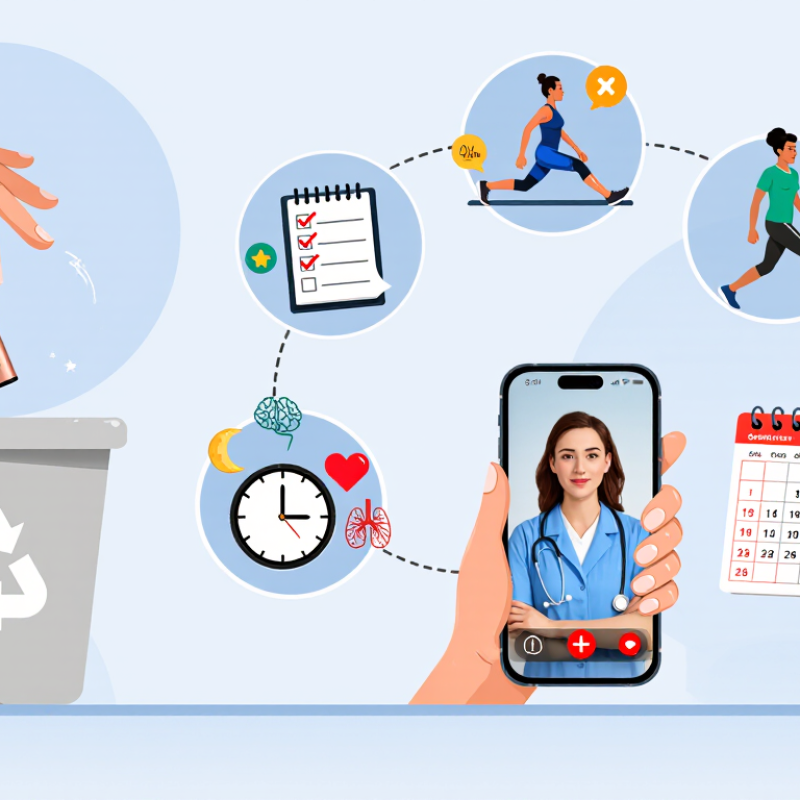
Choose a quit date within the next two weeks, then write it somewhere visible. A phone calendar works. Before that day, note when cravings appear: during a commute, after lunch, or while scrolling at night. These details make your plan personal, not generic. Pick one response for each trigger, such as taking a short walk or texting someone supportive. Remove devices and charging accessories from places you reach for automatically. Small steps count.

Behavioral support can help you stay accountable. A 2021 randomized trial in JAMA Network Open followed 2,588 young adults aged 18–24. At seven months, 24% of participants offered a vaping-cessation text program reported 30-day abstinence, compared with 18% in the control group. That result is encouraging, but it does not guarantee success for every age or situation. Ask a healthcare professional about support options, especially if cravings or withdrawal symptoms disrupt daily life. Expect a rough day. If your first plan falters, review what triggered the lapse and adjust the next step; changing course is not failure.

Prepare for Withdrawal: Symptoms Often Peak During Days 1–3

If your disposable vape contained nicotine, the first few days without it may bring strong cravings, irritability, restlessness, trouble concentrating, or a headache. Symptoms often peak during days 1–3, though timing and intensity differ from person to person. The urge can arrive suddenly: while waiting for a bus, after a meal, or when reaching for a device that is no longer there. It can feel unsettling. Withdrawal is uncomfortable, but it usually eases over time.

Make those early days easier with small, practical steps. Keep water nearby, take a short walk, and try slow breathing when a craving hits. Cravings often rise and pass; delaying a response for a few minutes may help. Plan something for familiar vaping moments, such as chewing sugar-free gum after lunch. Sleep may be uneven. That is frustrating. Be patient with yourself, and avoid treating one difficult moment as failure. A clinician or pharmacist can offer evidence-based support, especially if symptoms feel hard to manage or you have health concerns. Some advice online sounds certain, but withdrawal is not identical for everyone. Notice what triggers your cravings, and adjust your plan as you learn.

China Best Guide to Quitting Disposable Vapes? - Prepare for Withdrawal: Symptoms Often Peak During Days 1–3

Nicotine withdrawal varies from person to person. Symptoms commonly begin within hours after the last use, may feel strongest during the first few days, and generally ease over time.

Time Since Last Use What You May Notice Practical Ways to Cope Helpful Context
First several hours Cravings, restlessness, irritability, or difficulty concentrating may begin. Remove vape supplies, avoid familiar vaping cues, drink water, and plan a short activity for moments when cravings arise. Cravings often come in waves and usually pass, even when they feel intense.
Days 1–3 Withdrawal symptoms often peak during this period. Possible symptoms include strong cravings, irritability, anxiety, low mood, restlessness, trouble sleeping, and increased appetite. Use a support person, take brief walks, try slow breathing, keep healthy snacks available, and change routines linked to vaping. The timing and intensity differ among people and can depend on nicotine exposure and individual circumstances.
Days 4–7 Some people begin to notice gradual improvement; cravings or mood and sleep changes may continue. Keep your quit plan visible, celebrate progress, and prepare a response for social situations or other triggers. A difficult day does not mean quitting has failed. Symptoms can fluctuate.
Following weeks Many withdrawal symptoms continue to ease, although occasional cravings may return, especially around triggers. Maintain supportive routines, limit exposure to triggers when possible, and seek help if cravings make it hard to stay quit. The experience is not identical for everyone; some symptoms can last longer than others.
At any point Severe distress, persistent low mood, or symptoms that feel unmanageable may require additional support. Talk with a healthcare professional about quitting support and whether nicotine-replacement or other treatments are appropriate. Seek urgent help if you may harm yourself or someone else. People who are pregnant, under 18, or have significant health conditions should consult a healthcare professional before using cessation medicines.
Reminder: This table offers general information, not a diagnosis or a substitute for personalized medical advice. A healthcare professional or local stop-smoking service can help create a quit plan.

Choose Evidence-Based Help: Combination NRT Raises Smoking Quit Rates by 27%

China Best Guide to Quitting Disposable Vapes?

Disposable vapes can deliver nicotine frequently, making cravings feel sudden and persistent. A practical quit plan may include a chosen quit date, support from a health professional, and strategies for difficult moments. Evidence for nicotine replacement therapy (NRT) is strongest in cigarette-smoking cessation. Combining a nicotine patch with a faster-acting option, such as gum or lozenges, can work better than using one form alone. Some evidence reports about a 27% higher quit rate with combination NRT than with single-form NRT; this figure describes smoking-cessation findings, not a guaranteed result for people quitting vaping. Ask a clinician or pharmacist whether NRT suits your health and situation. Quitting is rarely tidy. A setback does not erase progress.

Vaping-specific evidence is still developing, so recommendations may differ from established smoking-cessation guidance. Track cravings and what helps, then review the pattern with a qualified professional. If one approach feels difficult, adjust the plan with their help rather than assuming you have failed. A rough day happens.
X
0
    0
    Your Basket
    Your basket is emptyReturn to Shop