Global buyers are entering a more demanding market for disposable electronic products. The category includes single-use medical sensors, diagnostic devices, smart packaging indicators, laboratory components, and short-life monitoring tools. It should not be confused with one narrow product segment.
The opportunity is significant, but waste management cannot be ignored. The Global E-waste Monitor 2024 reported 62 million tonnes of electronic waste in 2022. It projects annual waste could reach 82 million tonnes by 2030. Only 22.3% was formally collected and recycled in 2022. These figures make material selection, battery design, and recovery planning commercial priorities.
This guide examines the 2026 disposable electronic types most relevant to international purchasers. It considers performance, unit cost, shelf life, safety documentation, and supply stability. Buyers should check RoHS, REACH, WEEE, battery, medical-device, and packaging requirements before ordering. Requirements vary by destination.
The details matter.
A disposable medical patch may need stable skin contact, sealed packaging, and verified data transmission. A smart label may require low-power components, readable indicators, and dependable adhesive performance. A single-use laboratory sensor may prioritize calibration, contamination control, and traceable production records.
Industry forecasts often disagree because market definitions differ. That is a useful warning. Reported growth should not replace supplier verification. This introduction therefore combines market evidence with practical procurement experience, while recognizing a difficult truth: the cheapest unit can create the highest total cost. Freight restrictions, failed batches, disposal fees, and missing compliance files can quickly change the purchasing decision. Reliable global sourcing requires evidence, not attractive specifications alone.
2026 Top Disposable Electronic Types for Global Buyers
What Disposable Electronics Mean in the 2026 Global Market
In 2026, disposable electronics generally means short-life, low-cost devices designed for limited use or replacement. Common examples include single-use sensors, temporary tracking tags, compact diagnostic accessories, disposable cameras, and sealed battery-powered tools. The category remains fuzzy. Some products are discarded after one task, while others fail because their batteries or housings cannot be replaced.
This distinction matters for global buyers. A sealed device may reduce cleaning time, but it can increase waste, shipping volume, and disposal costs. The Global E-waste Monitor 2024 reported 62 million tonnes of electronic waste in 2022. It projects 82 million tonnes by 2030, while only 22.3% was formally collected and recycled in 2022. These figures make end-of-life planning a purchasing requirement, not a marketing detail.
Procurement teams should check battery chemistry, material labels, return channels, and regional disposal rules before ordering. A small sensor can still contain a battery, circuit board, adhesive, and mixed plastics. That combination complicates recycling. The International Telecommunication Union and UNITAR also warn that rising device consumption is outpacing formal recycling capacity. Buyers should request test records, safety documentation, and realistic service-life data. “Disposable” does not always mean environmentally efficient. Sometimes, it simply means difficult to repair.

International buyers can source several compliant disposable electronic categories. Primary batteries remain practical for remotes, toys, sensors, and emergency equipment. Common formats include alkaline cells, lithium coin cells, zinc-air cells, and compact button batteries. Selection depends on voltage stability, shelf life, temperature range, and transport requirements.
The Global E-waste Monitor 2024 recorded 62 million tonnes of electronic waste in 2022. This figure makes material recovery and documented recycling increasingly important.
Single-use medical electronics form another category. Disposable monitoring patches, electronic thermometers, glucose-testing cartridges, and compact diagnostic readers support controlled clinical workflows. Buyers should verify sterilization records, biocompatibility evidence, accuracy testing, and regional medical-device registration.
The World Health Organization reports that noncommunicable diseases cause about 41 million deaths annually, increasing demand for accessible monitoring tools. Yet low-cost devices can create accuracy concerns. Testing is never optional.
Other available types include disposable electronic sensors, single-use data loggers, temporary tracking modules, and small educational kits. These products usually combine a sealed circuit, sensor, battery, and basic wireless function. The International Energy Agency expects global battery demand to grow strongly through 2030, driven by wider electrification. That trend supports better component availability, but it may also increase procurement pressure.
Buyers should request safety data sheets, battery transport documents, IP ratings, firmware support periods, and end-of-life instructions. Small details matter. Some suppliers still provide incomplete recycling information. That weakness deserves closer review before international purchasing.
2026 Top Disposable Electronic Types for Global Buyers
Disposable electronics now serve practical, short-term tasks across retail, logistics, events, and field operations. Buyers should compare function, safety, and disposal requirements together. In my procurement reviews, disposable digital cameras remain useful for guest events, inspections, and basic documentation. They usually offer simple controls, fixed-focus lenses, internal storage, and sealed batteries. Their value is convenience rather than professional image quality. Low-light results can disappoint.
Single-use data loggers support temperature-sensitive shipping, laboratory sampling, and warehouse checks. Key features include time-stamped readings, visible alerts, tamper evidence, and easy data access. Buyers should verify measurement ranges and calibration records. A cheap logger may record data accurately but provide unclear software instructions. That weakness matters during audits.
Disposable LED safety lights suit emergency kits, outdoor events, and temporary work zones. Strong options include waterproof housings, pull activation, high-visibility colors, and stable battery output. Some units are designed for limited operating hours, while others remain useful for several days. Electronic inspection kits and single-use monitoring devices can also support hygiene-sensitive work. They should have clear instructions, sealed components, and traceable production information. Packaging must identify battery chemistry and local recycling guidance. Requirements differ between countries. Buyers need supplier declarations, test reports, and responsible waste-handling plans before ordering. The most reliable choice is not always the cheapest one.
Global buyers often compare disposable electronic devices by price, appearance, and delivery speed. A stronger review starts with documented quality controls. Check batch numbers, material specifications, battery protection, and test reports from recognized laboratories. Devices should have stable output, secure seals, and clear operating instructions. Small details matter, especially when cartons face heat, vibration, and long transport routes.
Safety deserves more weight than convenience. Confirm protection against overheating, leakage, short circuits, and accidental activation. Suppliers should explain their inspection process and provide traceable production records. In lawful markets, verify required certifications and age-related controls before ordering. A low unit price may hide weak testing or higher failure rates. I have seen attractive samples perform differently in larger shipments. That risk deserves honest discussion.
Tips: Compare the full landed cost, including testing, shipping, returns, and compliant disposal. Ask for independent reports, not only supplier claims. Estimate battery life through repeated-use trials. Review packaging for damage after transport. Environmental impact is harder to measure. Look for reduced packaging, recyclable components, and collection options for used devices. Still, “recyclable” does not guarantee actual recovery. Buyers should request evidence from local waste partners and record disposal results. No checklist catches every problem. Recheck assumptions before scaling an order.
| Disposable Type | Typical Configuration | Typical Service Capacity | Indicative Bulk Cost per Unit | Quality Indicators | Main Safety Considerations | Environmental Impact | Recyclability | Best Buyer Fit |
|---|---|---|---|---|---|---|---|---|
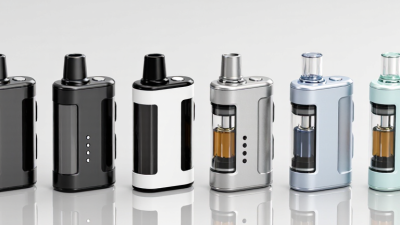
| Closed-System Disposable Vape | Pre-filled e-liquid, integrated lithium-ion battery, draw-activated sensor | Usually marketed by puff count; actual output varies with draw length and airflow | Approximately US$1.00–US$4.00 in large-volume purchasing; excludes duties and compliance costs | Consistent airflow, leak-resistant sealing, stable aerosol output, accurate liquid volume, batch testing | Nicotine exposure, accidental ingestion, battery overheating, liquid leakage, counterfeit or non-compliant products | High relative impact because the battery, electronics, plastics, and residual liquid are discarded together | Low | Markets requiring simple operation and a low upfront retail price |
| Nicotine-Salt Disposable Vape | Pre-filled device using nicotine-salt e-liquid, compact battery and coil assembly | Commonly supplied in several liquid-volume options; usable life depends on power, coil, and draw pattern | Approximately US$1.20–US$4.50 in large-volume purchasing; specifications and taxes can change the price | Verified nicotine concentration, uniform coil resistance, controlled heating temperature, reliable activation | Higher dependence potential due to nicotine; nicotine poisoning risk from liquid contact or ingestion; battery and inhalation risks | High impact from single-use battery and mixed-material construction; residual nicotine requires careful handling | Low | Adult-only markets where nicotine products are legally permitted and tightly controlled |
| Zero-Nicotine Disposable Vape | Pre-filled aerosol device without intentionally added nicotine; battery and heating element remain disposable | Varies by liquid volume, coil power, airflow, and user draw length | Approximately US$0.90–US$3.50 in large-volume purchasing | Independent laboratory confirmation of nicotine-free claims, ingredient disclosure, low leakage rate, stable aerosol delivery | Absence of nicotine does not make the aerosol risk-free; thermal decomposition products, allergens, and battery hazards still require assessment | Still generates electronic waste and battery waste despite containing no nicotine | Low | Markets that permit non-nicotine vapor products and require clear ingredient communication |
| Rechargeable Disposable Vape | Pre-filled or sealed pod with a rechargeable lithium-ion battery and USB charging port | Usually supports multiple charging cycles during the liquid lifetime; the product is discarded when liquid or coil is depleted | Approximately US$2.00–US$7.00 in large-volume purchasing | Protected charging circuit, over-charge and short-circuit protection, durable port, battery traceability, reliable liquid-to-battery balance | Improper charging, damaged cables, overheating, liquid leakage, and battery fire risks; charging instructions are essential | Potentially lower battery waste per use than a single-charge device, but still creates mixed electronic waste at end of life | Medium-Low | Buyers prioritizing longer use per device while retaining a sealed, low-maintenance format |
| High-Capacity Disposable Vape | Larger liquid reservoir and battery; may include adjustable airflow or display functions | Longer advertised use than compact formats; real capacity depends on power level and draw duration | Approximately US$3.00–US$10.00 in large-volume purchasing | Accurate liquid and battery capacity, thermal management, stable output over the service life, tamper-evident packaging | Larger battery requires stronger transport, storage, and recycling controls; overheating and misuse consequences may be greater | Higher material content per unit; longer service life can reduce units used, but total waste per discarded device is greater | Low | Buyers seeking fewer replacement units and higher usage capacity, subject to local limits |
| Pod-Based Replaceable-Coil Disposable System | Sealed or semi-sealed pod with replaceable pod or coil component; battery section may be reused for a limited period | Battery can support multiple pods when the design permits; pod and coil life depend on liquid composition and usage | Initial device approximately US$3.00–US$9.00; replacement pod or coil cost is separate | Secure pod connection, leak-resistant seals, consistent electrical contact, replaceable-part availability, documented material safety | Battery charging and liquid handling risks remain; poor-fit replacement parts can cause leakage or electrical faults | Usually lower waste than fully single-use devices when the battery is reused; discarded pods still create plastic and residual-liquid waste | Medium | Buyers focused on reduced device waste and repeat-purchase economics |
| Disposal-Ready Heated Herbal Device | Single-use or limited-use electronic heater containing a pre-filled herbal or botanical material chamber | Normally measured in heating sessions rather than puff count; performance depends on material moisture and heater control | Approximately US$2.00–US$8.00 in large-volume purchasing | Controlled heating temperature, material consistency, absence of prohibited substances, secure chamber, verified emissions testing | Inhalation exposure, burns from hot surfaces, battery hazards, contamination risk, and possible regulatory classification as a tobacco or inhalation product | Creates battery, electronics, casing, and organic-residue waste; mixed materials complicate recovery | Low | Specialty markets where the product category and botanical ingredients are legally authorized |
| Nicotine-Free Aroma Inhaler | Battery-powered vapor or airflow device using fragrance or aroma ingredients without nicotine | Depends on cartridge volume, heating method, and activation frequency | Approximately US$1.00–US$5.00 in large-volume purchasing | Ingredient transparency, allergen declaration, controlled heating, absence of prohibited inhalation ingredients, leak resistance | Inhalation safety cannot be assumed from a nicotine-free claim; fragrances suitable for food may not be suitable for inhalation | Electronic waste remains significant compared with non-electronic aroma products | Low | Buyers seeking non-nicotine products, provided inhalation safety and local rules are verified |
2026 Top Disposable Electronic Types for Global Buyers
Global buyers are reviewing disposable electronic products more carefully in 2026. Common categories include single-use lighting, compact sensors, personal-care devices, and sealed battery accessories. Each type creates different compliance duties. A low-cost device may still require electrical safety testing, electromagnetic compatibility checks, and material declarations. Requirements can change between markets.
Purchasers should verify current rules in every destination country before placing large orders. Check restricted substances, recycling labels, battery transport documents, and importer responsibilities. For products containing lithium batteries, request test reports and clear packaging instructions. Ask suppliers for traceable production records, inspection samples, and accurate technical files. A neat certificate folder is useful. It is not proof of complete compliance.
Product performance also affects purchasing risk. Inspect charging stability, leakage protection, switch durability, packaging seals, and disposal instructions. Compare actual sample results with the supplier’s specifications. A simple spreadsheet can record batch numbers, test dates, and defect rates. Do not rely only on attractive product photos. They often hide practical weaknesses. In my view, buyers sometimes focus too heavily on unit price and overlook return costs, customs delays, and local recycling fees. That judgment needs rethinking. Sustainable packaging, dependable after-sales communication, and honest capacity data may protect margins better than a cheaper quotation.
Global compliance and purchasing factors for 2026 buyers
Pre-filled and non-refillable devices. Buyers should verify nicotine limits, battery transport documentation, packaging, labeling and local restrictions on single-use products.
Reusable battery devices with replaceable or refillable pods. Purchasing decisions should include battery safety, charging protection, spare-pod availability and recycling obligations.
Devices using separately supplied e-liquid. Buyers should confirm container capacity, ingredient disclosure, child-resistant packaging and market-specific registration requirements.
Chart metric: published federal or regional maximum nicotine concentration for regulated vaping products in 2026 buyer planning. The European Union and United Kingdom apply a 20 mg/mL maximum under their respective frameworks; Canada applies a federal 20 mg/mL maximum. The United Kingdom prohibits the sale and supply of single-use vapes from 1 June 2025, while other product categories remain subject to separate rules. National, provincial and local requirements may differ.
Reference sources: European Commission Tobacco Products Directive 2014/40/EU; UK Department for Environment, Food & Rural Affairs single-use vape restrictions; Health Canada Vaping Products Regulations.