How to Quit Disposable Vapes Safely?
Quitting disposable vapes can feel surprisingly difficult, especially when nicotine is used throughout the day. A device may sit beside your laptop, in your car, or under your pillow. Its small size can hide a powerful habit.
Dr. Brian King, Director of the CDC’s Office on Smoking and Health, has stated, “There is no safe tobacco product.” His warning supports a practical goal: ending nicotine dependence without replacing one risk with another. Disposable vapes may deliver nicotine quickly, so withdrawal can bring irritability, headaches, restlessness, poor concentration, or strong cravings. These symptoms are uncomfortable, but they usually improve with time.
A safer plan begins with a clear quit date and a record of daily triggers. Notice when cravings appear. They may arrive after coffee, during work breaks, or while scrolling at night. Remove spare devices, chargers, and unopened products from familiar places. Water, sugar-free gum, short walks, and slow breathing can help during the first few minutes of an urge. Those minutes matter.
Professional support can make the process more reliable. A doctor, pharmacist, or qualified cessation counselor can discuss evidence-based options, including nicotine replacement therapy when appropriate. Do not guess about medication if you are pregnant, under 18, or managing a medical condition. Seek urgent care for severe chest pain, serious breathing difficulty, fainting, or confusion.
There is no perfect quit plan. A lapse is not proof of failure, but it deserves honest review. Record what happened, adjust the plan, and continue. Progress may look uneven. It still counts.
Disposable vape dependence often begins with repeated nicotine exposure. Nicotine can train the brain to expect frequent stimulation. The National Institute on Drug Abuse lists cravings, irritability, anxiety, poor concentration, and sleep problems as common withdrawal symptoms. These feelings may appear within hours after stopping. They often peak during the first few days.
The CDC’s 2023 National Youth Tobacco Survey recorded 2.13 million U.S. middle and high school students using e-cigarettes. Among current users, 26.1% reported daily use. This pattern suggests dependence can become routine quickly, especially when vaping happens throughout the day.
Tips: Write down your strongest triggers, such as commuting, stress, or late-night scrolling. Remove spare devices from nearby spaces. When a craving arrives, delay action for ten minutes. Drink cold water, walk outside, or message someone supportive. A healthcare professional can discuss counseling and suitable nicotine-dependence treatment. Do not assume one method fits everyone. Evidence for vaping-specific medications remains less established than evidence for cigarette cessation. Pregnant people, teenagers, and anyone with medical conditions should seek individualized advice.
A practical plan can include a quit date, trigger changes, and follow-up support. Withdrawal is uncomfortable, but it is temporary for many people. A lapse does not erase progress. Record what happened instead of treating it as failure.
The CDC recommends quitlines, text-based programs, and clinician support. Yet quitting is rarely perfectly linear. Some people need several attempts, and that is worth planning for. If severe mood changes or thoughts of self-harm occur, seek urgent professional help.

Choosing a quit date makes stopping disposable vapes more concrete. Pick a day within the next two weeks, not during exams, travel, or a major deadline. A healthcare professional can help if you vape heavily, use nicotine frequently, or have struggled before.
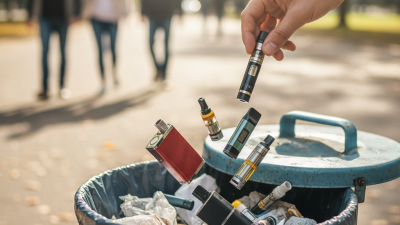
Write the date on a calendar. Tell one trusted person what support you need. Remove disposable vapes, chargers, and empty packaging from your bedroom, car, and work bag before that morning. Do not keep one “just in case.” That backup often becomes the plan. Check local waste guidance before disposing of devices, because batteries may require separate collection. Never burn, crush, or puncture them.
Prepare replacements for familiar routines. Keep cold water, sugar-free gum, crunchy snacks, or a straw nearby. If coffee triggers cravings, drink it somewhere different for a few days. Change your walking route if a shop visit feels automatic. Cravings usually rise and fall within minutes, but withdrawal can include irritability, restlessness, headaches, and poor concentration. It may feel worse than expected.
Plan for an imperfect day. If you take one puff after your quit date, avoid calling the attempt a failure. Record what happened, remove the remaining device, and restart immediately. A clinician or qualified quit counselor can discuss evidence-based nicotine treatment, especially if cravings feel unmanageable or mood changes become severe. Keep emergency support contacts visible, not buried in your phone.
How to Quit Disposable Vapes Safely?
Quitting disposable vapes is easier when nicotine withdrawal is planned, not guessed. Nicotine replacement therapy can reduce cravings without inhaling vapor. Options include patches, gum, lozenges, or a combination. A pharmacist or healthcare professional can help select the right strength. Medical advice matters more if you are pregnant, under 18, or have heart problems.
A patch may provide steady support during work or sleep. Gum or lozenges can manage sudden urges after coffee or meals. Follow the package directions carefully. Do not chew nicotine gum like ordinary gum. Chew slowly, then “park” it between your cheek and gum. That detail surprised me. I once treated every craving as an emergency, which made planning harder.
Healthier coping strategies should feel practical. Keep cold water nearby and sip it when your hands search for a vape. Take a five-minute walk around the block. Try slow breathing: inhale for four seconds, then exhale for six. Text someone before buying another device. Remove spare vapes from your room, car, and work bag. Cravings often peak and fade within minutes. Some days will feel messy. If you slip, record what triggered it and adjust your plan, rather than abandoning it. A quitline, doctor, or trained counselor can provide evidence-based support when withdrawal affects sleep, mood, or daily responsibilities.
| Option or Strategy | How It Helps | Typical Use Considerations | Safety Notes | Healthier Coping Pairing |
|---|---|---|---|---|
| Nicotine patch | Provides a slow, steady nicotine level to reduce withdrawal symptoms throughout the day. | Applied once daily. Strength is usually reduced gradually. Disposable-vape nicotine exposure varies, so do not assume a direct cigarette-to-vape dose conversion. | Rotate application sites. Remove before an MRI unless the product instructions specifically state otherwise. Stop and seek medical advice for severe skin reactions or concerning symptoms. | Use with a morning routine, hydration, and a short walk when cravings occur. |
| Nicotine gum | Provides faster relief for sudden cravings and allows the user to control the timing of doses. | Use the “chew and park” method: chew slowly until tingling starts, then park it between the cheek and gum. Avoid eating or drinking acidic beverages shortly before or during use. | May cause jaw discomfort, hiccups, throat irritation, or stomach upset if chewed continuously. People with dental or jaw problems should ask a clinician first. | Keep gum available during predictable triggers such as driving, work breaks, or after meals. |
| Nicotine lozenge | Delivers nicotine through the mouth and can help manage intermittent cravings without chewing. | Allow it to dissolve slowly; do not chew or swallow it whole. The appropriate strength depends on nicotine dependence and product instructions. | Possible effects include nausea, hiccups, heartburn, or mouth irritation. Avoid eating or drinking while it dissolves. | Pair with slow breathing, sugar-free mints, or a five-minute delay before responding to a craving. |
| Patch plus gum or lozenge | Combines steady nicotine coverage with a short-acting option for breakthrough cravings. Combination NRT can improve quit success compared with using one NRT form alone. | Often considered when cravings remain strong despite a patch. Follow package directions or a pharmacist’s dosing plan, and avoid using more than directed. | Too much nicotine may cause nausea, dizziness, headache, sweating, or a fast heartbeat. Seek urgent help for severe or persistent symptoms. | Use the short-acting product only for a craving while practicing a non-nicotine response such as walking or paced breathing. |
| Gradual reduction plan | Reduces vaping frequency and links quitting to a clear target date. | Set a quit date, record when and why you vape, remove spare devices, and reduce access to common triggers. A structured plan is generally more useful than reducing randomly. | Avoid compensating with deeper inhalation or more frequent puffs. If withdrawal becomes difficult, discuss NRT or other treatment with a healthcare professional. | Replace each planned vaping break with water, stretching, a brief walk, or a phone-free breathing exercise. |
| Craving-management technique | Helps a person ride out the temporary peak of a craving without acting on it. | Use the “delay, deep breathe, drink water, do something else” sequence for five to ten minutes, then reassess the urge. | Cravings are uncomfortable but usually temporary. Seek support if anxiety, depression, or irritability becomes severe or persistent. | Try slow breathing with a longer exhale, a shower, music, light exercise, or contacting a supportive person. |
| Behavioral and social support | Counseling, quitlines, digital programs, and support from trusted people can improve motivation and help manage relapse risks. | Tell supportive people the quit date and ask them not to offer or use disposable vapes around you. Track vape-free days and money saved. | A lapse is not the same as failure. Dispose of the device, identify the trigger, and restart the plan immediately. | Schedule rewarding activities, regular sleep, balanced meals, and moderate physical activity during the first few weeks. |
| Professional assessment | A clinician or pharmacist can assess nicotine dependence, medications, medical conditions, and the most suitable quit approach. | Seek advice before using NRT if pregnant or breastfeeding, under 18, recently affected by a serious heart problem, or taking medicines that may require review. | Get urgent medical help for chest pain, severe shortness of breath, fainting, or signs of a serious allergic reaction. | Ask for a personalized quit plan, follow-up date, and help addressing stress, sleep, anxiety, or low mood. |
Quitting disposable vapes safely begins with understanding your cravings. Nicotine withdrawal may cause irritability, restlessness, headaches, poor concentration, or sleep changes. These symptoms often feel strongest during the first few days. They usually ease gradually, but everyone responds differently. A healthcare professional can discuss suitable support, especially if symptoms feel intense or unusual.
Do not ignore chest pain, severe breathing trouble, or fainting; seek urgent medical care.
Triggers can be surprisingly ordinary. Morning coffee, stressful messages, driving, and social breaks may create automatic urges. When a craving arrives, delay the decision for ten minutes. Drink cold water, walk around the room, or breathe slowly through your nose. Cravings rise and fall like waves. They are uncomfortable, not permanent. I have noticed that rigid plans can fail when they leave no room for difficult days. Adjusting the plan is not the same as giving up.
Tips: Remove devices and spare supplies from easy reach. Prepare sugar-free gum, sliced fruit, or a short activity. Tell one trusted person about your quit date. Track each craving, including the time, feeling, and trigger. If you return to vaping, avoid shame and examine what happened. A clinician or qualified cessation counselor can help refine your next attempt. Some people benefit from approved nicotine-replacement options, but personal medical advice matters.
When quitting disposable vapes, progress needs more than a quit date. Track each day in a simple note: time, craving strength, trigger, and response. A 0–10 scale makes changes visible. Record sleep, mood, and concentration too. Withdrawal can affect these areas, and a healthcare professional can help assess concerning symptoms. Keep the record private or share it with someone you trust. Small evidence matters.
Cravings often arrive in predictable places. They may appear after meals, during commutes, or while scrolling at night. Mark those moments before they happen. Prepare water, sugar-free gum, a short walk, or slow breathing. Delay the decision for ten minutes. Then repeat if needed. This is not a test of willpower. It is a learned response changing gradually. I underestimated how strongly boredom could trigger cravings. That mistake taught me to plan quiet evenings, not just busy ones. Some strategies will fail. Adjust them without self-judgment.
Support reduces isolation and reveals weak points. Ask a trusted person to check in at a specific time, such as 8 p.m. A doctor, pharmacist, counselor, or quit-support service can offer evidence-based guidance. Nicotine replacement or other treatments may suit some adults, but discuss them with a qualified professional. If a lapse occurs, record what happened within the hour: where you were, who was present, and what you needed. A lapse is information, not proof of failure. Reconnect with support and restart your plan that same day.