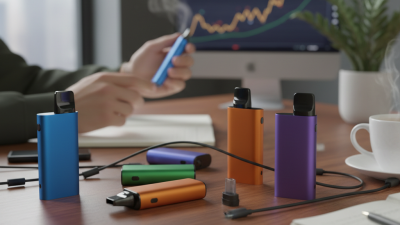
Sourcing disposable e cigarettes globally requires more than comparing prices or choosing attractive packaging. Buyers must examine product specifications, battery safety, nicotine labeling, manufacturing records, and recycling arrangements. The World Health Organization’s Global Report on Tobacco Use highlights uneven regulation across markets, creating serious differences in product oversight and consumer protection. That gap matters.
Recent evidence also shows strong consumer demand. The U.S. Centers for Disease Control and Prevention reported that 1.63 million American middle and high school students used e-cigarettes in 2024. Disposable devices remained the most common format. These figures should encourage caution, not careless expansion. Professor Linda Bauld has stated that vaping is “substantially less harmful than smoking,” while also emphasizing that it is not risk-free. Responsible sourcing must reflect both parts of that message.
This guide presents ten practical tips for evaluating international suppliers of disposable e cigarettes. It considers factory audits, independent laboratory testing, traceable components, age-restricted distribution, and destination-market requirements. A reliable supplier should provide clear documentation, not vague promises. Ask for batch records. Check the battery certificates. Confirm the actual nicotine concentration.
The market is not perfectly transparent. Some supplier claims may look convincing but remain difficult to verify. That deserves reflection. Buyers should also assess waste volume, packaging materials, and end-of-life collection plans before signing contracts. Euromonitor International’s tobacco and nicotine research shows that alternative nicotine products continue evolving rapidly, but market growth does not remove the need for evidence. Careful sourcing protects users, distributors, and brand credibility. It also creates a more defensible supply chain.

A reliable sourcing plan begins with a precise product specification. Record the device type, dimensions, battery capacity, charging method, materials, and expected usage period. State whether the product contains nicotine, and document its concentration, ingredients, and warning information. These details must match the laws of each intended market.
Target markets should be selected before contacting factories. Check legal age requirements, registration duties, packaging language, nicotine limits, and import documentation through official regulatory sources. Some markets may require laboratory testing, recycling information, or specific battery safety evidence. A supplier should provide recent test reports, factory certifications, sample records, and traceable batch information.
Small details matter. A sample may fit well but leak after heat exposure. A printed warning may look correct but fail local wording rules. Request samples from different production batches, then inspect airflow, seals, charging performance, and packaging consistency. Keep a written approval record for every change.
A spreadsheet helps.
However, specifications are not always complete. Teams can overlook local disposal rules or underestimate translation costs. Review the plan with compliance specialists, logistics partners, and local distributors before placing a large order. Avoid broad claims about safety or performance unless independent evidence supports them. Loose assumptions create expensive delays.
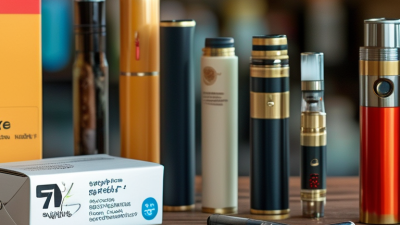
Global sourcing of disposable e-cigarettes requires more than comparing prices. Each destination may set different rules for product composition, nicotine limits, packaging, advertising, and sales channels. Check the official regulator’s website before contacting suppliers. Do not rely on a copied compliance table.
Request current test reports, safety data, manufacturing details, and certificates issued by qualified laboratories. Verify the laboratory’s accreditation and match the report to the exact model, batch, and specifications. A certificate alone is not proof. Dates matter.
Import requirements deserve equal attention. Confirm customs codes, tax obligations, language rules, age-verification duties, and battery transport documents. Some markets require registration before shipment. Others restrict certain flavors, formats, or nicotine strengths. Your freight agent should review dangerous-goods procedures, including packaging and labeling.
Keep a compliance file for every shipment. Include invoices, test results, ingredient information, declarations, and supplier records. Ask for documents in advance, not after the cargo reaches the port. That delay can become expensive.
I have found that simple checklists prevent many sourcing errors. Still, checklists can create false confidence. Regulations change, and a previously accepted product may need new testing. Have a local legal adviser or customs specialist review uncertain points. Small details, such as a missing warning statement or incorrect translation, can stop distribution. Verify twice.
Tip 1: Verify the manufacturer’s legal registration, export history, and product certificates before discussing price.
Tip 2: Request factory videos, audit reports, and production records.
Tip 3: Confirm monthly capacity with evidence, not estimates.
Tip 4: Inspect the assembly line, battery testing area, and sealed storage rooms.
Grand View Research valued the global e-cigarette market at approximately US$22.36 billion in 2023. Its forecast also indicates strong growth through 2030. This expansion makes supplier screening more important, because rapid capacity increases can hide weak quality controls.
Tip 5: Review ISO 9001 procedures, incoming-material checks, and final sampling rates.
Tip 6: Ask for independent testing covering battery safety, leakage, emissions, and restricted substances. UN 38.3 transport testing and IEC 62133-2 battery requirements should be checked where applicable.
Tip 7: Match nicotine strength, labeling, packaging, and advertising claims with each destination’s rules.
Tip 8: Test pilot batches before placing volume orders. Measure draw consistency, liquid volume, charging protection, and storage stability.
Tip 9: Compare supplier lead times against actual shipment records.
A polished factory tour proves little.
Tip 10: Put inspection rights, defect limits, traceability, recall support, and documentation duties into the contract.
WHO reports that many jurisdictions restrict or prohibit e-cigarette sales, so market-by-market legal review remains essential.
One weak point is often overlooked: buyers may audit production but fail to verify subcontractors. Recheck them.
Global sourcing of disposable e-cigarettes requires more than comparing unit prices. Grand View Research reported continued expansion in the global e-cigarette market, but market estimates vary by product definition. Treat forecasts carefully. Start with landed cost: product price, tooling, testing, duties, freight, insurance, and customs handling. A low quote can become expensive after delivery. Request tiered pricing for 1,000, 5,000, and 10,000 units. Compare minimum order quantities against realistic sell-through, not factory promises.
Quality needs measurable evidence. Ask for batch-level laboratory reports, ingredient disclosure, battery safety records, leak testing, and sampling procedures. ISO 9001 certification can support process control, but it does not prove product safety. Check sample consistency, airflow, labeling, and packaging before signing a larger order. The U.S. National Youth Tobacco Survey has repeatedly shown significant youth use of disposable products, making age-related controls and lawful-market screening essential. Do not accept vague compliance statements.
Shipping terms deserve equal attention. Compare EXW, FOB, CIF, and DDP only after confirming responsibility for customs clearance and taxes. The World Bank’s Logistics Performance Index shows major differences in customs efficiency across economies, which can affect delivery reliability. Request carton dimensions, gross weight, battery transport documentation, and a written replacement policy. Keep a 5–10% contingency for delays. That is not excessive. An honest sourcing review should record defects, late shipments, and assumptions that proved wrong. The cheapest supplier may still be the costliest decision.
Manage Sampling, Compliance Checks, Logistics, and Supplier Risk
Tip 1 Define the destination market before requesting samples. Each market may restrict ingredients, labeling, packaging, emissions, or device specifications. Ask suppliers for complete product files, including material declarations, safety data, batch records, and test reports. Samples should match the proposed production version, not a modified showcase unit. That difference can become expensive.
Tip 2 Build a documented compliance gate. An independent laboratory can verify composition, battery safety, leakage resistance, and performance claims. Confirm that testing covers the destination market’s current requirements. Keep signed approvals and photographs of packaging. Do not rely on translated certificates alone. Check issuing laboratories and report numbers independently. A small spreadsheet helps, although teams often update it too late.
Tip 3 Treat logistics as a controlled risk. Confirm transport eligibility with licensed carriers before booking shipments. Review customs descriptions, carton markings, battery documentation, insurance, and delivery terms. Use staged orders when supplier history is limited. Inspect cartons before loading, then compare quantities against packing lists. Maintain reserve time for customs questions and damaged samples.
Tip 4 Assess suppliers beyond price. Review factory ownership, quality staffing, corrective-action records, financial stability, and subcontracting practices. Request a live production walkthrough when practical. Use purchase contracts with inspection rights, traceability duties, recall support, and clear rejection terms. Payment protection can reduce exposure. It cannot replace verification. Reflect after every shipment, especially when a smooth delivery hides weak documentation.