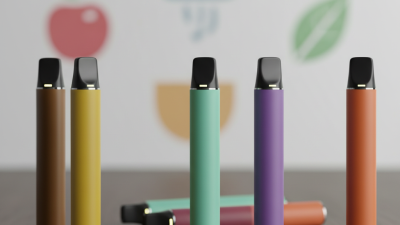
How to Throw Away E Cigs Safely?
A used e-cigarette may look small, but it can contain a lithium battery and leftover e-liquid. That matters. Batteries can spark or catch fire if crushed, punctured, or exposed to heat. E-liquid may also irritate skin or eyes. So, figuring out how to throw away e cigs safely means treating the device as more than ordinary rubbish.
Do not put an e-cigarette in a household rubbish bin or recycling cart unless local guidance specifically allows it. Keep it away from children, pets, sunlight, and heat while you arrange disposal. Do not open, crush, or try to remove a built-in battery. If the device is leaking, avoid direct contact with the liquid; follow local spill guidance or ask your waste service what to do. A sealed bag can help contain a leak temporarily, but it does not make the device safe for regular disposal.
The right drop-off option depends on where you live and the device type. Check your municipal waste authority’s instructions, or contact the manufacturer or a qualified e-waste or battery collection site. Some retailers accept certain devices, but acceptance varies. That detail is easy to miss. If a battery is swollen, hot, or damaged, do not place it in a collection box; seek advice from local waste or fire-safety authorities. These steps may feel inconvenient, and disposal guidance can be unclear. Still, checking before discarding helps reduce avoidable risks to people, sanitation workers, and the environment.
Understand the Hazards in E-Cigarette Waste
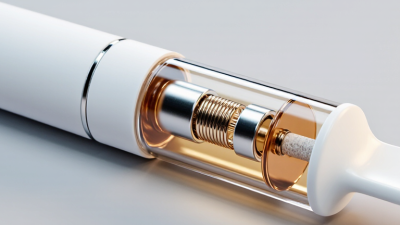
A discarded e-cigarette is small, but its waste can create several hazards. Many devices contain lithium-ion batteries that may ignite if crushed, punctured, or exposed to heat. A damaged battery can be dangerous even when the device seems empty. Not harmless.
The liquid inside may contain nicotine and can harm children or pets if swallowed or absorbed through skin. A leaking cartridge can leave a sticky residue on a counter or inside a bin. Avoid touching the liquid, and keep the device away from people and animals. I used to think an empty-looking device was safe to toss; that assumption misses what can remain inside.
Do not dismantle, crush, or burn the device, and avoid putting it in household trash or ordinary recycling. Keep it intact in a cool, dry place, away from heat, until you can take it to an appropriate battery, electronics, or household hazardous-waste collection point. Collection options vary by location, so check with your local waste service before travelling. If a device is swollen, hot, or leaking, do not handle it more than necessary; ask local waste professionals how to manage it safely.
Check Whether the Battery Is Removable
Before discarding an e-cigarette, check whether its battery can be removed without force. Look for a battery door, a release, or instructions for the exact device. Keep it switched off and away from metal objects while inspecting it. Don’t pry open a sealed casing or cut wires. A damaged lithium battery can short, overheat, or ignite. This step is easy to rush.
If the battery is designed to come out, remove it as instructed. Cover its exposed terminals with nonconductive tape, then keep it dry in a separate container away from coins and keys. Take it to a collection point that accepts rechargeable batteries. The device itself may need a separate electronics drop-off. Collection rules vary, so check the site’s guidance before traveling. Don’t put either item in household recycling unless the service explicitly accepts it.
If the battery is built in, don’t dismantle the e-cigarette. Bring the complete device to an e-waste or hazardous-waste program that handles small electronics with batteries. If it is swollen, leaking, unusually warm, or punctured, avoid handling it more than necessary. Keep it away from heat and combustible materials, and contact your local waste authority for instructions. I may be overly cautious, but a sealed battery isn’t worth forcing out.
How to Throw Away E-Cigs Safely? Check Whether the Battery Is Removable
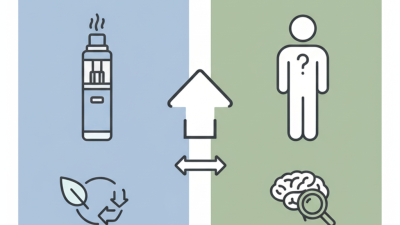
Use the route that matches your device. The chart shows which disposal guidance applies; it does not represent quantities.
If the battery is removable, switch off the device and remove the battery only as instructed; take it to an appropriate battery collection point and the device to e-waste collection. If it is not removable, do not force it out—take the whole device to an e-waste or battery collection point. Do not put e-cigarettes or loose lithium batteries in household rubbish or curbside recycling. Follow local disposal rules.
Prepare the Device Without Puncturing or Forcing It Apart
How to Throw Away E-Cigs Safely?
Prepare the Device Without Puncturing or Forcing It Apart
Before disposal, switch the device off if it has a power button. Let it cool completely on a dry, stable surface. Check for obvious damage, but do not squeeze, bend, or pry open the casing. The battery may be built into the device, and a sharp tool can damage it. Keep it intact.
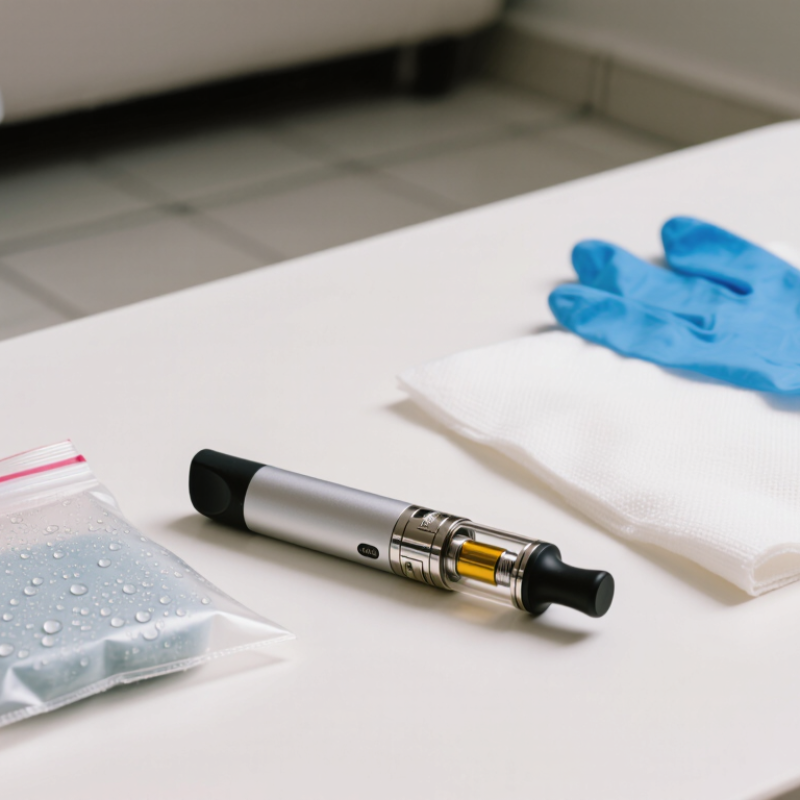
Do not puncture the body or try to remove a stuck battery or cartridge. If a cartridge comes away easily, keep it separate in a small, leak-resistant container; don’t pull hard. Wipe visible residue with a disposable cloth, then wash your hands. Avoid rinsing the device or putting loose parts in household recycling. Small details matter here.
If the device is swollen, leaking, unusually warm, or damaged, stop handling it. Keep it away from paper, fabric, and other flammable materials, and ask your local waste facility how to store and drop it off safely. For an undamaged device, use an accepted battery or electronic-waste collection point rather than a household bin. Collection rules vary by area, so check before traveling. It’s easy to assume a tiny device is harmless; that assumption deserves a second look.
Find Approved Collection Sites for Batteries and E-Cigarettes
An e-cigarette is a small device, but its battery and electronic parts need the right collection route. Material Focus’s 2023 research estimated that five million disposable vapes were discarded each week in the UK. That figure shows how quickly small items can add up. Collection signs can be confusing, so check the site’s rules before you go.
Look for a municipal household hazardous-waste depot, an approved battery collection point, or an e-waste drop-off site. Some participating retailers also accept small electrical items; confirm that they take e-cigarettes, not just loose batteries. Use your local waste authority’s website or call the site to verify acceptance and opening hours. Do not assume a regular recycling bin is suitable. If the battery is built in, leave the device intact rather than forcing it open. Keep it away from heat, and follow the collection site’s instructions. If a device is swollen, hot, or damaged, contact the site for handling advice before carrying it there. The nearest bin may not be the right one.
Follow Local Guidance for Leaking or Damaged Devices
A leaking or damaged e-cigarette needs different care from an intact device. Do not place it in household trash or a standard battery collection box. The U.S. Environmental Protection Agency documented at least 245 fires involving lithium-ion batteries at waste facilities from 2013 to 2020. A crushed, swollen, hot, or hissing device can pose a fire risk. Keep people away, and do not charge, puncture, or dismantle it. If it is smoking or heating, move away and contact emergency services.
For leaking liquid, avoid skin and eye contact; do not wipe it up with bare hands. If safe, place the device on a non-combustible surface away from paper, fabric, and other flammable materials. Then check your local waste authority’s instructions or call its hazardous-waste service for handling and drop-off directions. Rules differ by location, and a damaged battery may need special collection. It can feel excessive to make a phone call, but guessing is riskier.
Tips
Wear disposable gloves if you must move a cool, intact device. Keep it away from children and pets. Don’t seal a warm or swollen device in an airtight container. If liquid touches skin, rinse with water; follow local health advice for exposure concerns.
 Fast Delivery & Dispatch