

icon4

Free Delivery On Orders Over £20

NV products are only for people over the age of 18 years who either smoke or vape
Basket: 0 items

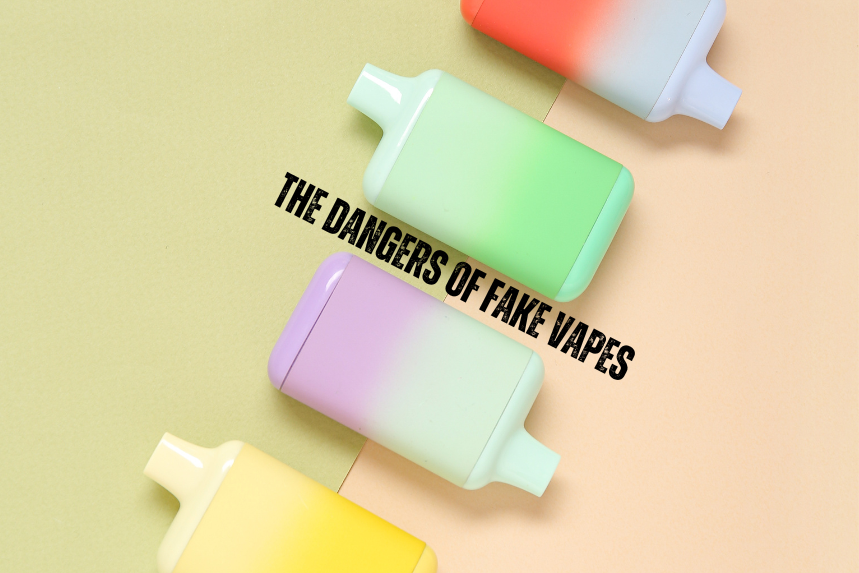
The Hidden Dangers of Fake Vapes

Fake vapes are becoming a real issue in the UK, outnumbering other counterfeit products at present. But why should you care about fake vapes? This article explores the dangers they bring, provides tips on spotting counterfeit vapes, and offers advice on what to do if you end up with an illegal or fake vape.

Popularity and Growth

Vaping has quickly become a preferred choice for many, especially those looking to quit smoking. The appeal lies in the variety of flavours, the perception of reduced harm compared to smoking, and the modern, sleek design of vaping devices. Statistics show that vaping is especially popular among young adults and those quitting smoking. This shift reflects the growing acknowledgement of vaping as a viable alternative to traditional smoking, with its diverse flavours and user-friendly nature making it an attractive option for many seeking a smoke-free lifestyle.

The Increase of Counterfeit Vapes

What Are Counterfeit Vapes?

Counterfeit vapes are fake versions of genuine vaping products. They are usually made in unregulated factories with low-quality materials and sold at cheaper prices. These knock-offs can include fake e-cigarettes, e-liquids, cartridges, and even entire vaping kits.

Why Are They So Common?

The high demand for vaping products and the potential for quick profits make the market attractive to counterfeiters. The rise of online shopping and social media sales makes it easier for fake products to reach unsuspecting buyers. Many people fall for the lower prices without realising the risks involved.

The Dangers of Fake Vapes

The most alarming issue with counterfeit vapes is the potential health risks:

Toxic Chemicals: Fake e-liquids may contain harmful substances like diacetyl, linked to severe lung diseases, and heavy metals like lead, which can cause long-term health problems.

Inaccurate Nicotine Levels: Counterfeit vapes often have incorrect nicotine levels, leading to nicotine poisoning or insufficient satisfaction for those trying to quit smoking.

Battery Explosions: Poorly made counterfeit devices can have battery malfunctions, causing explosions and serious injuries.

Using counterfeit vapes can also lead to legal and financial troubles:

Legal Issues: Buying and using counterfeit products might violate local laws, potentially leading to fines or other legal actions.

Wasted Money: Counterfeit vapes are often of poor quality and may break or malfunction quickly, resulting in wasted money and frequent need to buy replacements.
Supporting Criminal Activities

Here at NU Vape, we prioritise transparency and quality. Our vape juices are created with premium ingredients, guaranteeing the safest vaping experience possible.

How to Identify Counterfeit Vapes

Buy from Trusted Sources

One of the best ways to avoid fake vapes is to buy from reputable sources. Stick to authorised dealers, well-known retailers, and official brand websites. Avoid buying from unverified online marketplaces or street vendors, as these are common places to sell counterfeit products.

Check Packaging and Branding: authentic vaping products usually have high-quality packaging and clear branding.

  1. Holograms and Security Seals: Many brands use holograms or security seals to indicate authenticity.
  2. Spelling and Grammar: Check for any spelling or grammatical errors on the packaging. Genuine products typically do not have these mistakes.
  3. Consistent Branding: Compare the packaging with images on the official brand website to ensure consistency.
  4. Build Quality: Genuine vapes are made with high-quality materials and precise construction. If the device feels cheap or flimsy, it could be a fake.
  5. Serial Numbers: Many brands include a unique serial number you can verify on their official website.

Check for Safety Features

Genuine vaping devices often include safety features such as child-proof mechanisms, proper labelling, and certification marks (e.g., CE, RoHS). If these features are missing, it’s a strong indicator that the product is counterfeit.

Price Too Good to Be True

If a deal seems too good to be true, it probably is. Counterfeit products are often sold at significantly lower prices than their genuine counterparts. Be wary of unusually low prices, especially from unknown sellers.

Educate Yourself

Stay informed about the latest products and their features. Familiarise yourself with genuine products, including their packaging, logos, and build quality. The more knowledgeable you are, the easier it will be to spot a fake.

Be Cautious with Online Marketplaces

While online shopping is convenient, it’s also a common avenue for counterfeit products. Be cautious when purchasing from third-party sellers on platforms like Amazon, eBay, or Alibaba. Always check the seller’s ratings, reviews, and return policies before purchasing.

Why Choose NU Vape to Avoid Fake Vapes

When it comes to keeping your vaping experience safe and satisfying, NU Vape is your go-to choice. We’re all about quality and safety, ensuring that every puff you take is of the highest industry standards. Transparency is our policy – we disclose every ingredient in our vape juices, so you know exactly what you use. With NU Vape, you can vape with confidence, knowing that your peace of mind is our top priority in an industry where trust matters most.

The hidden horrors of counterfeit vapes are real and pose significant health, legal, and financial risks. As consumers, it’s crucial to stay informed and vigilant to avoid falling victim to these dangerous products. By purchasing from reputable sources, educating ourselves, and taking advantage of verification tools, we can protect our health and ensure we’re supporting legitimate businesses. Remember, if a deal seems too good to be true, it probably is. Stay safe and help combat the counterfeit vape epidemic.

Fake Vape FAQs

What are counterfeit vapes?

Counterfeit vapes are unauthorised replicas of genuine vaping products. These fakes are produced without adherence to safety standards and are often sold at lower prices.

Why are counterfeit vapes dangerous?

Counterfeit vapes can pose significant health risks due to the use of substandard materials and the inclusion of harmful chemicals. They may also lack proper safety features, increasing the risk of accidents such as battery explosions.

How can I identify counterfeit vapes?

Counterfeit vapes are often identified by poor-quality packaging, inaccurate labelling, and inferior craftsmanship. Look for signs of tampering, such as broken seals, and verify product codes on the manufacturer’s website whenever possible.

What are the health risks associated with counterfeit vapes?

Counterfeit vapes may contain toxic chemicals, inaccurate nicotine levels, and other harmful substances that can lead to respiratory issues, nicotine poisoning, and long-term health problems.

Where are counterfeit vapes sold?

Counterfeit vapes are often sold online through unverified marketplaces and social media platforms. They may also be found at unauthorised retailers or street vendors offering discounted prices.

What should I do if I suspect I have purchased counterfeit vapes?

If you suspect you have purchased counterfeit vapes, stop using them immediately and report your concerns to the manufacturer and the retailer. You can also contact regulatory authorities to help address the issue.

Can counterfeit vapes explode?

Yes, counterfeit vapes are more likely to experience battery malfunctions, leading to explosions and serious injuries. Using genuine products with proper safety features is essential to minimise this risk.

Are there legal consequences for using counterfeit vapes?

Using counterfeit vapes may violate local laws and regulations, potentially resulting in fines or other legal actions. Additionally, supporting illegal activities by purchasing counterfeit products can have legal implications.

How can I protect myself from counterfeit vapes?

To protect yourself from counterfeit vapes, purchase products from reputable sources, verify product codes, and familiarise yourself with the features of genuine products. Avoid deals that seem too good to be true and report any suspected counterfeit products.

What impact do counterfeit vapes have on the vaping industry?

Counterfeit vapes undermine consumer trust in the vaping industry, hinder market growth, and pose economic challenges for legitimate manufacturers and retailers. They also complicate regulatory efforts and can lead to increased scrutiny from authorities.
The New Vape Tax: What it Means for You

The UK Vaping Tax – Vaping Product Duty (VPD)

The UK is implementing a vape tax through the Vaping Product Duty (VPD) excise duty. This tax targets e-cigarettes and e-liquids containing nicotine. It was introduced as part of the 2024 Budget plan and will take effect on 1 October 2026, subject to a consultation process.

Let’s look into the specifics of the proposed vaping tax and see how it could directly affect us as vapers.

Why are the UK Taxing vapes?

The government are primarily aiming to address concerns about the increasing number of young people vaping and the widespread availability of potentially unsafe vape products in the market. By increasing the cost of vaping products through taxation, the government hopes to discourage non-smokers from taking up vaping and steer them towards healthier habits.

But it’s not just about discouraging vaping; the government also has a few other goals in mind with this tax:

1. Generating revenue: The money collected from the vaping product tax will fund public services like healthcare and smoking cessation programs.

2. Promoting healthier choices: By making vaping products more expensive, the government aims to encourage people to make healthier choices and reduce their reliance on vaping.

3. Taxing vaping products allows the government to have better control over how these products are sold and imported into the country. This helps them crack down on potentially harmful or illegal vape products, ensuring consumer safety.

The potential price increase:

The government is considering introducing a tax on e-liquids based on their nicotine content, which could affect vapers across the UK. If this plan goes ahead, every 10ml bottle of e-liquid will be taxed, regardless of whether it contains nicotine. This means that vaping products might be taxed similarly to traditional cigarettes. This could significantly change how much you pay for your favourite e-liquids, so it’s worth watching.

What does this mean for you? It could increase the cost of your favourite vaping products.

Nicotine Strength Tax Increase
0mg/ml £1.00 increase
0.1mg/ml – 10.9mg/ml £2.00 increase
11mg/ml – 20mg/ml £3.00 increase


It’s worth noting that the prices we’re discussing are based on current averages, and they could fluctuate significantly before the proposed vape tax kicks in around 2026. While efforts might be made to lower prices, various factors in the next few years could still impact them.

When is the UK planning to tax vapes?

The Chancellor of the Exchequer, Jeremy Hunt, announced during the Spring Budget 2024 that the government intends to introduce the proposed tax on e-liquids and nicotine-containing liquids on October 1, 2026. However, this plan must undergo a 12-week consultation before proceeding as announced.

Your involvement in the consultation process is crucial for informing the UK Government about the potential effects of the vape tax on vapers and those considering vaping as a smoking alternative. You directly influence policymaking by sharing your perspectives on affordability, access, and public health. Take this opportunity to ensure that regulations balance public health goals and the needs of the vaping community.

How could this impact the vaping community?

The proposed vape tax has the potential to impact the vaping community in several ways.

While the idea of raising taxes on vapes may give more authority to groups like the UK Border Force and HMRC to tackle illegal vape imports, it’s causing some real worry amongst us vapers. We’re concerned about how this move could affect the millions of people in the UK who’ve already left traditional tobacco behind. And for those thinking about switching to vaping for a healthier option, this tax hike might just put them off.

The UK Government claims that a 10ml e-liquid is equivalent to 100 cigarettes. However, with the advancements in e-cigarettes and the longer drags we take while vaping, this comparison isn’t set in stone. Consequently, the cost of vaping becomes much closer to that of smoking, especially when factoring in accessories and variations. Suppose vaping and smoking end up costing the same. In that case, some vapers might go back to cigarettes, or smokers might stick with tobacco instead of trying the healthier alternatives.

Beyond the financial aspects, there’s also the broader impact on our health and well-being. Vaping is often seen as a less harmful alternative to smoking, and anything that makes it harder for people to access vaping products could have serious consequences for public health.

The vape tax might seem like just another policy decision, but it has real implications for our community. Let’s hope policymakers consider the needs of vapers like us as they make decisions about taxation.

Moving Forward

Looking ahead, vapers across the UK must keep a close eye on the developments surrounding the proposed Vaping Product Duty (VPD). As the government aims to address concerns about youth vaping and product safety, we need to ensure that any new tax doesn’t unfairly burden our access to vaping products or discourage smokers from switching to a safer alternative.

As the consultation period unfolds, our active engagement is vital. By sharing our perspectives and concerns with policymakers, we can influence the final shape of the legislation, ensuring that it strikes the right balance between public health objectives and our needs as vapers.

In the ever-changing landscape of vaping regulations, staying informed and actively participating in the discussion is key. Together, we can ensure that vapers’ interests are represented and that sensible policies are implemented to promote a healthier future for all.

Vape Tax FAQ

Are vapes in the UK taxed?

Currently, there are no taxes on vape e-liquids in the UK. However, in their 2024 Spring Budget, the UK Government announced plans to introduce a vape tax in 2026,

How will the vaping tax impact you?

As taxes on vaping products go up, you might find yourself paying more for your favourite vape juices and devices.

Will the UK Government introduce taxes on vaping?

Yes. The UK Government plans to implement a vaping tax in October 2026. This move comes amid concerns about youth access to vaping and the proliferation of illegal and non-compliant vape products and e-liquids. Brace yourselves, as this tax will affect all e-liquids, regardless of their nicotine content.

Will the tax apply to all vaping products, including those with zero nicotine content?

Yes, the proposed vaping tax in the UK will apply to all vaping products, regardless of whether they contain nicotine. This means that both nicotine-free e-liquids and those with nicotine content will be subject to the tax.

When is the proposed implementation date for the vaping tax in the UK?

The proposed implementation date for the vaping tax in the UK is October 2026.

How will the new vaping tax impact the prices of e-liquids?

The new vaping tax in the UK is set to impact the prices of e-liquids. The tax applies to all e-liquids, including those without nicotine, so expect higher prices.

What is the cheapest way to vape?

Opting for a simple, refillable vape pen with e-liquid can be the most cost-effective choice.

Why is there a vape tax?

The vape tax is often implemented as a measure to regulate the vaping industry, discourage underage vaping, and generate revenue for public health initiatives.


E-cigarettes And Vaping Devices

Traditional tobacco smoking has been a public health issue for decades, with numerous studies linking it to various diseases, including cancer, cardiovascular diseases, and respiratory conditions.

The combustion process involved in smoking releases thousands of harmful chemicals, with many of them being carcinogenic and detrimental to our health. However, the addictive quantities of nicotine mean that people looking for that nicotine ‘hit’ ignore health warnings that have existed for many years.

E-cigarettes were developed to provide a cleaner way to deliver nicotine without the harmful byproducts of combustio

. The motivation behind their development was, firstly, to provide a tool for smokers trying to quit by mimicking the hand-to-mouth action and supplying a controlled amount of nicotine and, secondly, to offer a potentially less harmful alternative for those who wished to continue to enjoy nicotine use without resorting to traditional cigarettes.

As technology has evolved and the demand for more personalised experiences has grown. Vapes or vaping devices have now more or less replaced the original e-cigarettes. Vapes allow users more flexibility in terms of flavours, nicotine levels, and hardware customisation, which, as a result, has further distanced the act of vaping from the harmful act of smoking.

How Do They Work?

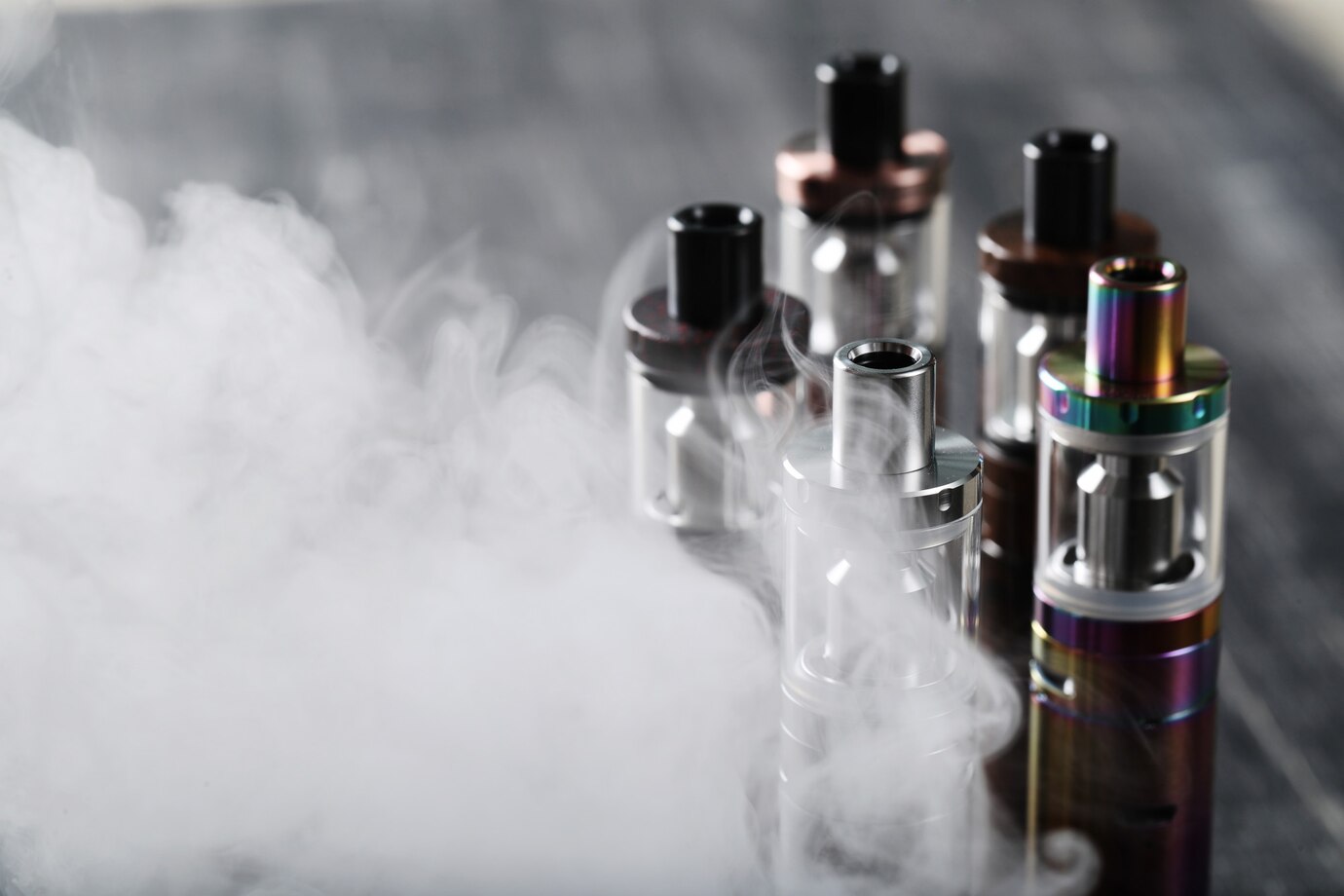
E-cigarettes and vaping devices operate by vaporising a liquid known as e-liquid or vape juice. This liquid comprises propylene glycol (PG), vegetable glycerin (VG), nicotine, flavourings, and occasionally other additives.

A rechargeable lithium-ion battery powers these devices, typically located in the main body or “mod” of the e-cigarette. Inside, there’s an atomiser or coil made of resistance wire wrapped around a wick. This coil heats up when the user inhales or presses a button powered by the battery.

The heated coil vaporises the e-liquid soaked into the wick. When the user inhales through the mouthpiece, they draw in this vapour, resembling smoke but without combustion, smoke, or tar. Exhalation results in a dissipating cloud of harmless vapour.

This process delivers both the flavour from the e-liquid and, if present, nicotine. Nicotine is absorbed through the mouth and throat’s mucous membranes, entering the bloodstream and providing a nicotine hit.

Vaping devices offer customisation options, allowing users to adjust settings like wattage, airflow, and temperature and use different coils and e-liquids.

Did You Know..?  (FUN FACT)

Vapes, or what we now recognise as electronic cigarettes (e-cigarettes), were first conceptualised much earlier than many people realise.

The first known patent for an electronic cigarette was filed in 1963 by Herbert A. Gilbert. He proposed a device that would replace burning tobacco and paper with a heated, moist, flavoured vapour. This early version of the e-cigarette never went into commercial production, and the idea remained largely dormant for several decades.

The first ‘modern-day’ e-cigarette was invented in China in 2003. In 2004, they were available in China, but it wasn’t until 2007 that e-cigarettes were made commercially available in America, Europe and the UK.

X
0
    0
    Your Basket
    Your basket is emptyReturn to Shop