icon4

Free Delivery On Orders Over £20

NV products are only for people over the age of 18 years who either smoke or vape
Basket: 0 items

Quitting Disposable Vapes in 2026 What You Need to Know

As we approach the year 2026, the conversation around quitting disposable vapes becomes increasingly relevant. Many users find it challenging to break free from these addictive products. Understanding the reasons behind their popularity is essential. Disposable vapes are convenient and often perceived as safer than traditional cigarettes. However, this perception can lead to misconceptions about their health impacts.

When it comes to quitting disposable vapes, individuals may experience various emotions. Some feel pressure from peers, while others are influenced by marketing tactics. The process is not always straightforward, and it often involves setbacks. It's crucial to recognize these obstacles and develop effective strategies for lasting change. Experts suggest reducing usage gradually can help ease the transition.

Equipping yourself with reliable resources is vital for success. Joining support groups can provide motivation and accountability. Additionally, engaging with professionals who specialize in addiction can offer tailored guidance. Remember, quitting disposable vapes is not just a personal battle but a journey towards better health and well-being. Reflecting on your reasons for quitting can strengthen your resolve and guide you through this transformative period.

Quitting Disposable Vapes in 2026 What You Need to Know

The Rise of Disposable Vapes: Industry Trends and Market Growth

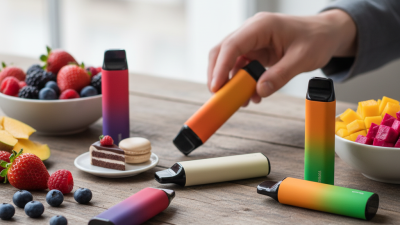
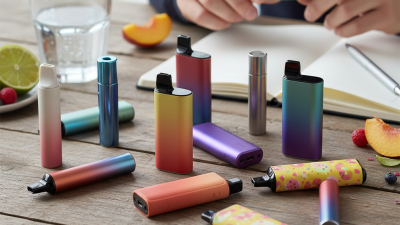
The disposable vape market has surged in recent years. Convenience and ease of use attract many users. These products have become an integral part of the vaping industry. They are designed for single-use, leading to a myriad of choices for consumers. This rapid growth raises questions about safety and environmental impacts.

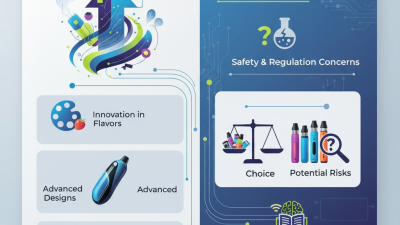
On the one hand, the appeal lies in accessibility. Users can purchase a vape without the need for refills or extensive knowledge. However, this convenience comes with downsides. Many disposable devices contribute to waste and pollution. Additionally, the lack of regulation can lead to safety concerns regarding quality and health effects.

As the industry evolves, understanding market trends is crucial. Many stakeholders need to consider the implications of disposable products. Education around responsible vaping practices is necessary. Encouraging consumers to reflect on their habits might lead to healthier choices. Balancing user convenience with environmental responsibility remains a significant challenge.

Quitting Disposable Vapes in 2026: Industry Trends and Market Growth

Year Market Size (USD Billion) Growth Rate (%) Percentage of Disposable Vapes in Total Vape Market (%) Regulatory Changes Impact
2021 4.5 25 30 Minimal
2022 5.5 22 35 Increased
2023 6.5 20 40 Moderate
2024 7.5 18 45 Significant
2025 8.5 15 50 Severe
2026 9.0 12 55 Prohibitive

Health Risks Associated with Disposable Vapes: The Current Research Findings

The health risks associated with disposable vapes have become a growing concern. Recent studies indicate that nearly 40% of young adults who use these products report experiencing respiratory issues. Many users are unaware of harmful substances in these devices. A report by the National Institute on Drug Abuse highlights the presence of toxic chemicals like formaldehyde and acetaldehyde in vape emissions. These compounds may lead to serious health complications over time.

Moreover, research shows that vaping can have neurological impacts. A study published in the journal Tobacco Control found that frequent users exhibit impaired cognitive functions. Concerns about dependency are also prevalent. A survey revealed that 25% of disposable vape users find it difficult to quit. Understanding these risks is crucial for public health efforts. While some view vaping as a safer alternative to smoking, emerging evidence suggests otherwise.

As the trend of disposable vapes rises, the need for awareness grows. Many users may not realize how quickly health can deteriorate. The long term effects are still being studied, leaving questions about safety unanswered. Individuals must reflect on their choices. The buzz around vaping often overshadows potential harm. As 2026 approaches, it is essential to stay informed about these risks.

Regulatory Changes in 2026: Impact on Vape Manufacturers and Users

In 2026, regulatory changes will significantly reshape the vaping landscape. Authorities are introducing stricter guidelines around disposable vapes. This could mean tighter restrictions for manufacturers and higher compliance costs. Vapers should prepare for possible product shortages or even discontinuation of certain items. Awareness of these changes is crucial for users who relied on disposable products.

Manufacturers are facing challenges to innovate and adapt. Those who fail to comply with new regulations might exit the market. Meanwhile, users may find themselves searching for alternatives. Options such as refillable devices or nicotine-free products could gain popularity, but not all users may find these transitions easy.

For many, this change will prompt reflection on vaping habits. Users may have to rethink their dependency on disposable products. The focus might shift towards long-term health impacts. The upcoming regulations will not just impact the market but will also encourage more informed choices among vapers.

Consumer Behavior Shifts: Transitioning from Disposable to Reusable Vapes

The trend of vaping is evolving. As disposable vapes face stricter regulations, users are shifting towards reusable options. This change reflects growing consumer awareness about sustainability. Many seek to reduce waste produced by single-use devices. It's clear that environmental concerns are influencing choices.

Switching from disposable to reusable vapes can be challenging. Users may feel hesitant about the upfront costs of quality reusable devices. The transition requires a commitment to learning about maintenance and refilling. This may seem daunting, especially for those accustomed to the convenience of disposables. However, users should consider the long-term savings and reduced environmental impact.

Community support becomes vital during this transition. Many find motivation in sharing experiences with others. Efforts like online forums and local meet-ups encourage discussions about best practices. As more people embrace the change, individuals will feel empowered to make informed decisions. The shift towards reusables can support both personal health and a healthier planet.

Support Resources for Quitting: Programs and Tools for Vape Users

Quitting disposable vapes can be a significant challenge. As 2026 approaches, many users may consider stopping. Support resources are vital for those looking to quit. Statistics from the CDC indicate that nearly 17% of high school students used e-cigarettes in 2020. This shows how widespread vaping has become among youth.

There are various programs and tools available to assist individuals. Local health departments often offer counseling and support groups. These services provide a sense of community. Participants can share experiences and strategies. Mobile apps focused on smoking cessation can also be beneficial. They help track usage and cravings, providing motivation at crucial moments.

Setting realistic goals is essential. Reducing usage gradually tends to work better than quitting cold turkey. Celebrate small victories, as they lead to major successes. Remember, each person's journey is unique. Some may find it hard to cope with cravings. Reflect on triggers and have a plan in place. Having a support system significantly improves the odds of success. Seeking help is a strong step toward a healthier future.

Vaping Cessation Resources in 2026

X
0
    0
    Your Basket
    Your basket is emptyReturn to Shop