2026 Top Trends in Disposable E Cigarettes What to Expect
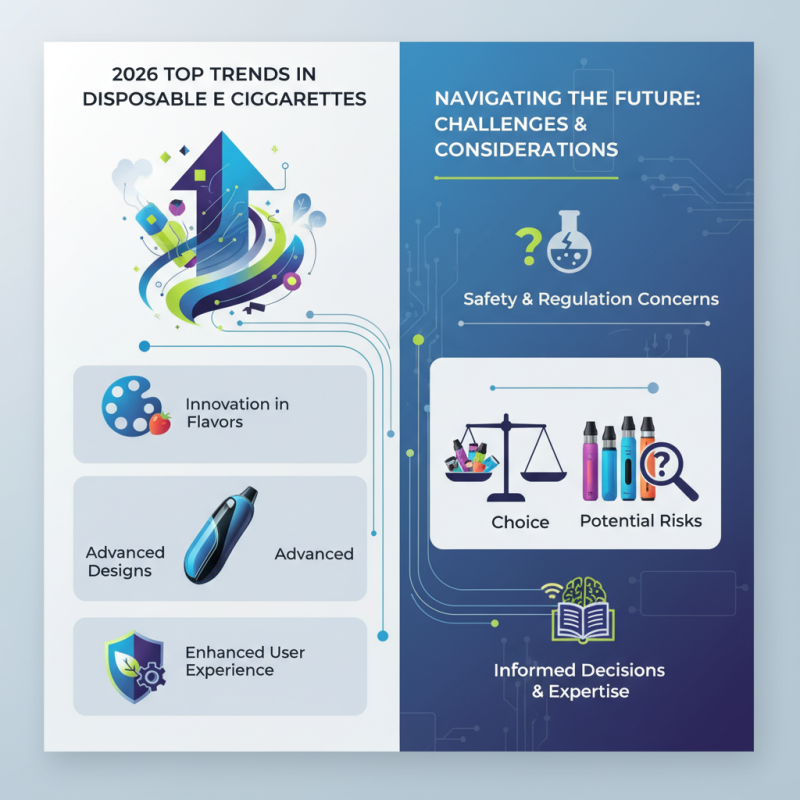
In recent years, disposable e cigarettes have surged in popularity, capturing the interest of both new and seasoned users. These products offer convenient alternatives to traditional smoking, appealing to a broad demographic. As we look towards 2026, the landscape of disposable e cigarettes is poised for significant changes.
Emerging trends indicate a shift towards innovation in flavors and designs. Manufacturers focus on enhancing user experience. Many consumers seek products that not only satisfy their cravings but also provide a unique vaping experience. However, the rapid evolution raises questions about safety and regulation. Will all manufacturers prioritize safety as they compete for market share?
Understanding these trends requires expertise and a commitment to reliable information. With more disposable e cigarettes entering the market, consumers must navigate a complex terrain. Balancing choice and safety can be challenging. It will be essential to stay informed about potential risks as disposable e cigarettes continue to evolve.
Emerging Technologies in Disposable E-Cigarettes for 2026
As we move towards 2026, the landscape of disposable e-cigarettes is evolving with exciting innovations. New battery technologies enhance efficiency and longevity. Expect to see devices that charge faster and last longer, giving users a more reliable experience.
A focus on materials is also emerging. Biodegradable components are becoming more common. This shift addresses environmental concerns surrounding plastic waste. Brands are under pressure to reduce their ecological footprint, which could lead to significant improvements in sustainability.
Tips: Look for brands emphasizing eco-friendly options. Always check user reviews for real-life experiences with new technologies. Stay informed about industry developments. A little research can help you make better choices in this evolving market.
Engaging in discussions online may spark new ideas and perspectives. Balancing innovation with responsibility is crucial in this quick-changing field.
Influence of Consumer Preferences on E-Cigarette Design Trends
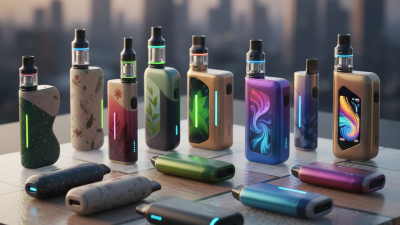
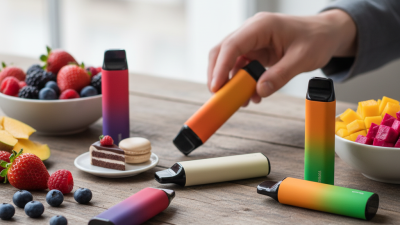
Consumer preferences significantly shape the design trends in disposable e-cigarettes. As individuals seek more personalized experiences, manufacturers are responding with innovative designs. Sleeker aesthetics and unique flavors are gaining traction. People want products that reflect their identities and lifestyles.
Choosing a device that suits your style is essential. Be mindful of your preferences. Explore options that align with your taste. A wide variety of flavors can enhance your experience. Don't rush your decision; take the time to find what you truly enjoy.
Quality remains a concern. Some products may not deliver on promises. Investigate reliable sources and reviews. This research helps avoid disappointments. Engaging with communities can provide valuable insights. Remember, your choices influence the trends in this evolving market. Stay informed, and choose wisely!
2026 Top Trends in Disposable E Cigarettes
| Trend |
Consumer Preference |
Impact on Design |
Growth Rate (%) |
| Flavors Variety |
High Demand for Unique Flavors |
Increased customization and innovative flavor profiles |
25% |
| Eco-Friendly Materials |
Growing Preference for Sustainable Products |
Focus on biodegradable and recyclable materials |
15% |
| Smart Technology Integration |
Interest in Digital Features and Connectivity |
Development of app-connected devices |
20% |
| Nicotine Salt Formulations |
Preference for Smoother Hits with Lower Throat Hit |
Adaptation of devices for optimized nicotine delivery |
30% |
| Portable & Sleek Designs |
Demand for On-the-Go Solutions |
Designs that prioritize portability and aesthetics |
18% |
Environmental Impact and Sustainability in Disposable E-Cigarettes
The rise of disposable e-cigarettes has sparked important discussions around their environmental impact. Reports indicate that the global e-cigarette market is projected to reach $20 billion by 2026. This surge raises concerns about plastic waste and lithium-ion battery disposal, as most disposable units use these materials.
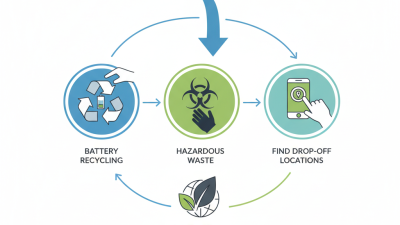
Many users might not realize that each disposable cigarette can take hundreds of years to decompose. The mixed materials complicate the recycling process, leading to most devices ending up in landfills. Industry insights suggest that only 10% of e-waste is recycled properly, highlighting a major oversight in sustainability practices.
To address these issues, companies are beginning to explore eco-friendly alternatives and sustainable practices. Innovations include using biodegradable materials or creating recycling programs for used devices. Researchers from environmental studies report that 70% of consumers are more willing to support brands that prioritize sustainability. Yet, more must be done to educate users about responsible disposal and the environmental footprint of their choices.
Regulatory Developments Affecting Disposable E-Cigarette Market
Regulatory developments are reshaping the disposable e-cigarette market. Governments worldwide are taking steps to implement stricter regulations. These changes aim to promote public health and ensure product safety. In many regions, age restrictions are being enforced more rigorously. The goal is to prevent minors from accessing these products.
Manufacturers must also adapt to new labeling and marketing requirements. Transparency regarding ingredients is becoming a key focus. Many consumers want to know what they inhale. This shift can foster trust and loyalty among users. However, some companies may struggle to meet these evolving standards. Compliance can be costly and time-consuming, posing challenges for smaller businesses.
As the market matures, innovation will remain crucial. Regulatory pressures may limit certain product types, but they can spur creativity. Brands will need to find new ways to appeal to consumers. Balancing compliance with consumer demands can be tricky. The future of disposable e-cigarettes hinges on navigating this complex landscape.
Market Predictions: Growth and Challenges in the E-Cigarette Industry
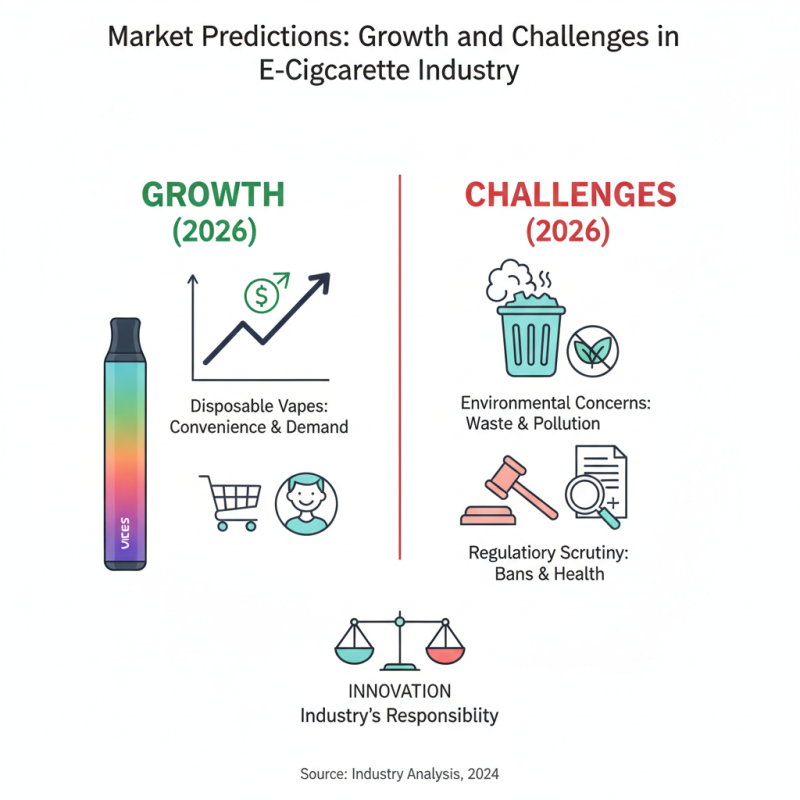
The e-cigarette industry is rapidly evolving. As we look toward 2026, growth seems promising yet filled with challenges. The rise of disposable e-cigarettes is a significant trend, reflecting convenience and customer preference. However, this growth comes with environmental concerns and regulatory scrutiny. Companies must balance innovation with their responsibility toward sustainability.
Tips for consumers: consider the impact of disposable products. Although they may be easy to use, their environmental footprint is substantial. Look for brands that prioritize recyclable materials. As regulations tighten, awareness of legal compliance will be crucial for manufacturers. Staying informed can help consumers make better choices.
Another challenge is health concerns. Research continues to evolve, shedding light on the long-term effects of e-cigarette use. Consumers are encouraged to monitor new studies and regulations. This vigilant approach can empower individuals to make safer decisions. As the market shifts, adaptability will remain key for both consumers and manufacturers. It's essential to remain critical and informed as trends change.
 Fast Delivery & Dispatch