icon4

Free Delivery On Orders Over £20

NV products are only for people over the age of 18 years who either smoke or vape
Basket: 0 items

7 Best Ways to Throw Away E Cigarettes Safely

A used e-cigarette may look small, but its battery and leftover liquid can create disposal problems. Tossing it into a kitchen bin is tempting. It is also the part worth reconsidering. Many devices contain lithium-ion batteries, which can ignite if damaged or crushed. Local waste services may have specific drop-off instructions, so check before you carry one to a collection site.

The U.S. Environmental Protection Agency advises: “Never put lithium-ion batteries in the trash or municipal recycling bins.” This is a practical reminder, not a reason to panic. Keep the device intact, away from heat, and out of reach of children while you find an appropriate local collection option. Do not dismantle it or pour remaining liquid down a drain.

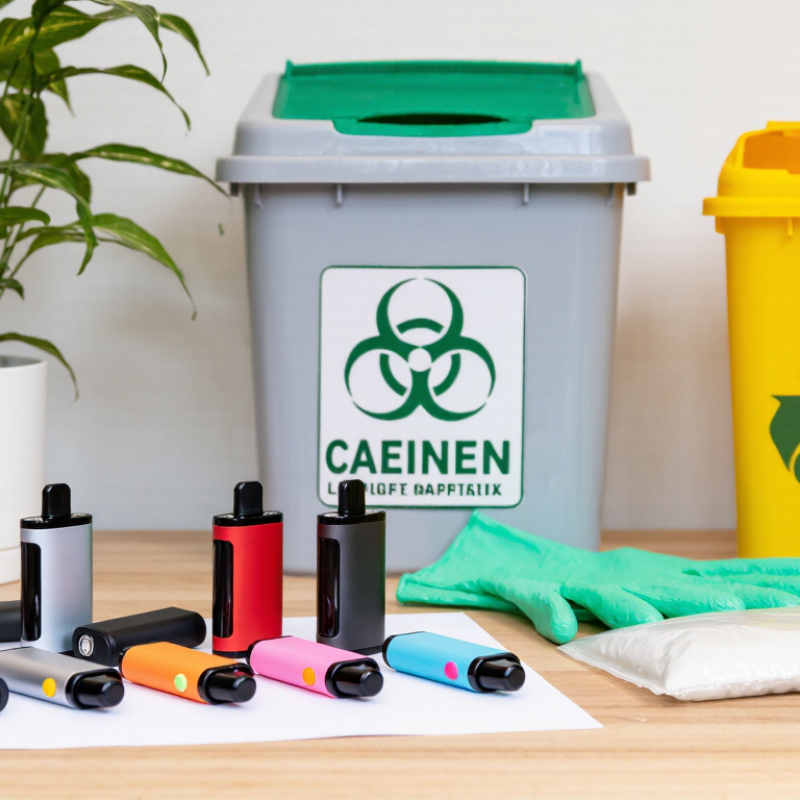
This guide explains seven safer ways to throw away e cigarettes, from checking retailer take-back programs to contacting household hazardous-waste services. The right option can vary by device and location. That detail is easy to overlook. I used to think “small” meant “simple”; it does not. A swollen or leaking device needs extra care, and local waste professionals can give more reliable instructions than guesswork. The steps ahead focus on practical choices, clear cautions, and the small details that help prevent batteries from entering ordinary waste streams.
7 Best Ways to Throw Away E Cigarettes Safely

Identify the E-Cigarette Type and Its Disposal Risks

7 Best Ways to Throw Away E Cigarettes Safely

Identify the E-Cigarette Type and Its Disposal Risks

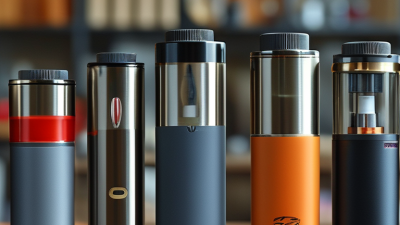
Before disposal, check whether the device is disposable, rechargeable with a built-in battery, or designed with a removable battery. They may look similar, but their risks differ. A disposable vape combines a battery, electronics, and a cartridge that may retain nicotine liquid. Rechargeable models add a charging port and sometimes a separate battery. Refillable devices can still contain liquid in the tank or mouthpiece. Don’t assume an “empty” device is residue-free.

The battery matters. Lithium-ion cells can ignite if crushed, punctured, or short-circuited, while nicotine liquid can be harmful if touched or swallowed.

The U.S. Environmental Protection Agency advises against putting e-cigarettes in household trash or curbside recycling; it recommends using appropriate hazardous-waste or electronics collection options. Material Focus, a UK electrical-recycling nonprofit, estimated that about five million disposable vapes were discarded each week in 2023—nearly four times its 2022 estimate. That is a striking number, though disposal habits are hard to measure perfectly.

A quick visual check helps: look for a charging port, battery door, refill tank, or leftover liquid, and keep damaged or swollen devices away from heat. Never dismantle a battery just to identify it.
Prepare the Device for Safe Handling

Before handling a used e-cigarette, switch it off if possible and keep it away from heat, flames, and direct sunlight. Place it on a stable, dry surface, then check for cracks, swelling, or leaking liquid. Keep it dry. Do not squeeze, puncture, or dismantle the device; a damaged lithium battery can overheat or catch fire. If the battery is designed to detach, remove it only as the instructions describe. Do not pry at a sealed device.

Wipe the outside gently with a dry cloth, not water or cleaning spray. If liquid has leaked, avoid touching it directly; use disposable gloves and keep children and pets away. A little caution matters. Cover exposed battery contacts with nonconductive tape, if they can be reached without forcing the device open. Keep the device separate from keys, coins, and other metal objects. Place it in a cool, dry spot while arranging drop-off at an appropriate battery or e-waste collection point. I used to think a neat-looking device was automatically safe to handle. That is not a reliable test. If it is hot, swollen, or badly damaged, do not carry it around; contact local waste or fire-safety services for handling guidance.

Separate Batteries, Pods, and Reusable Components

7 Best Ways to Throw Away E Cigarettes Safely

Separate the battery, pod, and reusable body before disposal, if the device is designed to come apart. A small screwdriver may help, but never force sealed parts or puncture a battery. Lithium-ion cells can ignite when crushed or short-circuited. Keep them away from keys, coins, and other metal objects; tape over exposed battery terminals when a collection site recommends it. Keep parts apart. Put used pods in a sealed bag, and don’t rinse or open them: leftover liquid can leak. Return batteries and electronic parts to a local battery or e-waste collection point. If the battery is built in, take the complete device to an e-waste handler rather than trying to remove it.

The scale of the waste problem makes sorting matter. The UNITAR and ITU Global E-waste Monitor 2024 reports that the world generated 62 million tonnes of e-waste in 2022, while only 22.3% was documented as formally collected and recycled. That figure covers all e-waste, not e-cigarettes specifically, but it shows why the right collection route matters. Reusable mouthpieces or housings may be recyclable only if local facilities accept them; check before placing them in a recycling bin. I’ve found this step is easy to overlook.

Tips: Store parts in separate, labeled containers until drop-off. Keep damaged, hot, or swollen batteries away from combustible materials, and contact your local hazardous-waste service for handling advice. Collection rules vary, so check the facility’s instructions before making the trip.

7 Best Ways to Throw Away E-Cigarettes Safely

Separate batteries, pods, and reusable components before disposal.

The bars show the order of the steps, not measured quantities. Keep lithium-ion batteries out of household trash and recycling bins; take them to an appropriate battery collection point. Follow local guidance for pods, e-liquid residue, and electronic waste.

Choose an Approved Disposal or Take-Back Option

Choose an approved disposal or take-back option before getting rid of an e-cigarette. Many devices contain lithium batteries, which can start fires if crushed in household trash or curbside recycling. Check your local waste agency’s website or call its hazardous-waste facility. Ask whether it accepts whole e-cigarettes, not just loose batteries. Some collection sites have specific drop-off days or require devices to be separated by type.

A retailer or manufacturer may offer a take-back program, but confirm that it accepts your device before making a trip. Keep the e-cigarette intact; don’t puncture, open, or crush it. If it is hot, swollen, leaking, or badly damaged, avoid handling it more than necessary and contact your local waste facility for safe instructions. Acceptance rules vary, and online guidance can be unclear. A quick phone call can prevent a wasted trip.

Tips: Store the device away from heat while arranging drop-off. Keep it out of reach of children and pets. If staff provide a specific packaging or transport instruction, follow it closely. Don’t put it in a battery collection box unless that box explicitly accepts e-cigarettes.

Follow Local Rules for E-Cigarette Waste

E-cigarette disposal rules can differ between neighboring towns. A device may be treated as electronic waste, battery waste, or household hazardous waste. Check your local waste department’s website before putting one in a bin. If the instructions are unclear, call and describe the device, including whether it is disposable or rechargeable. Small detail, big difference.

Do not assume curbside recycling accepts it. Many devices contain lithium batteries and leftover liquid, so regular trash or recycling may be unsuitable. Local guidance may direct you to a collection depot, a scheduled hazardous-waste event, or an approved take-back point. Keep the device intact while storing it for drop-off. Don’t puncture, crush, or dismantle it. I still find disposal labels confusing at times; that is a reason to verify, not guess. If a battery is swollen, leaking, or unusually warm, avoid handling it more than necessary and ask local waste staff how to transport it safely. Rules change, too, so rely on current local instructions rather than an old sign or a neighbor’s advice.

X
0
    0
    Your Basket
    Your basket is emptyReturn to Shop