Why Should You Consider to Throw Away E Cigarettes?
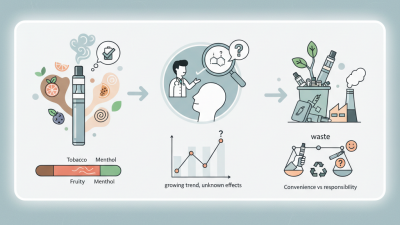
The rise of e-cigarettes has sparked debate on their health implications. Many users regard them as safer alternatives to traditional smoking. However, emerging evidence suggests otherwise. It is crucial to consider the potential risks associated with vaping. Some studies indicate that e-cigarettes may not be as harmless as previously thought. This observation raises an important question: should we throw away e-cigarettes?
The addictive nature of nicotine is another concern. E-cigarettes often deliver higher nicotine levels than regular cigarettes. This can lead to dependency and make quitting more difficult. Users may think they are making a healthier choice, yet they might find themselves trapped in a cycle of addiction. Recognizing this reality is essential in discussions about whether to throw away e-cigarettes.
Finally, e-cigarettes may also have unknown long-term effects. Research is ongoing, and many health professionals urge caution. They argue that throwing away e-cigarettes could be a responsible choice. Prioritizing one’s health should outweigh any perceived benefits of vaping. As we reflect on our choices, it’s vital to ask ourselves whether we want to risk our well-being.

The Health Risks Associated with E-Cigarette Use and Nicotine Addiction
E-cigarettes have gained popularity in recent years, yet their health risks can be significant. Many users underestimate the potential dangers associated with e-cigarette use. Research shows that these devices can expose users to harmful chemicals, including heavy metals and toxicants. Prolonged exposure may lead to respiratory issues and cardiovascular problems.
Nicotine addiction is another serious concern. E-cigarettes often contain nicotine, a highly addictive substance that can disrupt brain development in young users. Dependence on nicotine can lead to increased consumption and a cycle that's hard to break. Users may think they are making a safer choice, yet the addictive nature can make quitting difficult, hindering their overall well-being.
Reflecting on these factors is crucial for anyone considering e-cigarettes. It’s essential to weigh the risks against perceived benefits. The allure of flavored vapors and the belief that they are less harmful than traditional cigarettes may cloud judgment. Awareness and informed decisions can make a significant difference in your health journey.
Health Risks of E-Cigarette Use
Understanding the Impact of E-Cigarettes on Lung Health and Respiratory Issues
E-cigarettes have gained popularity, particularly among young adults. However, their impact on lung health raises significant concerns. Recent studies indicate that e-cigarette users may face increased risks of respiratory issues. The American Lung Association reports a rise in symptoms like coughing, wheezing, and shortness of breath linked to vaping.
The aerosol produced by e-cigarettes contains harmful substances. Research from the Journal of Medical Toxicology revealed that e-cigarette vapor can irritate airway tissues. This irritation can lead to chronic conditions over time. A notable study found that nearly 35% of e-cigarette users experience respiratory issues compared to only 20% of traditional cigarette smokers.
Moreover, long-term effects remain unclear. E-cigarettes might seem safer, but the presence of chemicals can lead to lung complications. A growing number of health professionals recommend raising awareness about these risks. It is crucial to inform users about the potential dangers hidden behind the misconception of safety. Understanding these facts can help individuals make better choices for their lung health.
Why Should You Consider to Throw Away E Cigarettes? - Understanding the Impact of E-Cigarettes on Lung Health and Respiratory Issues
| Health Issue |
Impact Level |
Reported Cases (Estimate) |
Age Group Most Affected |
| Chronic Bronchitis |
High |
200,000 |
18-35 |
| Lung Inflammation |
Moderate |
150,000 |
16-30 |
| Asthma Exacerbation |
High |
180,000 |
10-25 |
| Respiratory Distress |
High |
250,000 |
20-40 |
| Potential Cancer Links |
Moderate |
75,000 |
25-50 |
The Role of E-Cigarettes in Youth Smoking Initiation and Public Health Concerns
E-cigarettes have become increasingly popular among youth, often viewed as a safer alternative to traditional smoking. However, their role in youth smoking initiation raises significant public health concerns. Many young users believe e-cigarettes are harmless, leading to increased experimentation. Research shows that teenagers who start with e-cigarettes are more likely to transition to conventional tobacco products. This creates a new generation of smokers, undermining decades of anti-smoking efforts.
The appeal of flavored e-liquids and sleek designs attract adolescents. They are often unaware of the potential health risks associated with nicotine addiction. E-cigarettes can impair brain development in young users, affecting memory and attention. Furthermore, they may serve as a gateway to more harmful substances. As e-cigarette use rises, so do worries about its impact on public health.
Communities must work to educate youth about these risks. Schools and parents play a vital role in providing accurate information. Conversations about the dangers of vaping should begin early. With misinformation prevalent, fostering an environment of understanding is necessary. The conversation around e-cigarettes isn't just about smoking; it is about protecting future generations.
Regulatory Challenges and the Need for Clearer E-Cigarette Guidelines
The e-cigarette landscape is rapidly evolving, yet regulatory challenges persist. Many countries lack clear guidelines. This uncertainty affects consumers and manufacturers alike. Ambiguous regulations can lead to safety issues and market inconsistency. Without strict rules, harmful products may infiltrate the market. This is a significant concern for public health.
Educating yourself on e-cigarette regulations is crucial. Understanding local laws can help you make informed decisions. Knowledge empowers consumers to identify safer products. Always look for certifications and compliance with health standards. Ensure manufacturers provide detailed ingredient information. Transparency is essential in consumer safety.
Continuous discussion about e-cigarettes is vital. Engaging with public health forums can increase awareness of potential risks. Share your experiences with others; this helps build a community focused on safety. Question the reliability of certain products. Awareness can drive demand for clearer guidelines and better regulation.
Considering the Environmental Impact of E-Waste from Discarded E-Cigarettes
E-cigarettes have become increasingly popular, yet their environmental impact cannot be overlooked. With millions of devices discarded each year, we face a growing crisis of electronic waste. Approximately 1.3 million tons of e-waste are produced globally, with e-cigarettes contributing to this staggering number. The components used in these devices, such as lithium-ion batteries and plastic parts, are often not recyclable or biodegradable.
A recent report highlights that only about 20% of e-waste is properly recycled. This leaves a significant amount of harmful materials, like heavy metals, leaching into the environment. The toxins released can contaminate soil and water, posing risks to wildlife and human health. The lack of standardized recycling processes for e-cigarettes exacerbates the problem, making it crucial for users to consider the lasting impacts of their choices.
While many find e-cigarettes less harmful than traditional cigarettes, the environmental consequences demand attention. Beyond personal health, the question arises: what is the cost of convenience? As e-cigarette use increases, so does the urgency to address responsible disposal and recycling methods. Our choices today shape the environment of tomorrow, and the need for awareness is more pressing than ever.
 Fast Delivery & Dispatch