Why Are Cat Treats Important for Cats?
Cat Treats are more than tiny rewards tossed across the kitchen floor. Used thoughtfully, they can support positive training, strengthen human–cat relationships, and make daily care less stressful. A treat offered after gentle brushing may help a nervous cat accept grooming. A small piece after entering a carrier can create a safer travel routine. These practical benefits reflect guidance from the American Association of Feline Practitioners and the World Small Animal Veterinary Association, both of which emphasize low-stress handling and reward-based interactions.
Nutrition still comes first. The Association of American Feed Control Officials (AAFCO) and FEDIAF Nutritional Guidelines stress that cats need complete and balanced diets, while treats should remain a limited part of daily intake. The WSAVA Global Nutrition Guidelines also encourage monitoring calories, body condition, and feeding habits. This matters because a creamy lickable treat can seem small, yet several servings may quietly add meaningful calories. On the other hand, some treats provide texture, moisture, or medication support, depending on their formulation and purpose.
Industry data also shows why this topic deserves attention. The American Pet Products Association’s 2023–2024 National Pet Owners Survey reports substantial household spending on cats and related products, including food and treats. However, popularity does not prove nutritional value. That distinction is easy to miss. Treats can help, but they cannot repair an unbalanced diet or replace veterinary care. Owners should read feeding directions, measure portions, and watch for weight changes. Individual cats respond differently, and even expert advice needs adjustment. A treat that motivates one cat may upset another’s stomach.
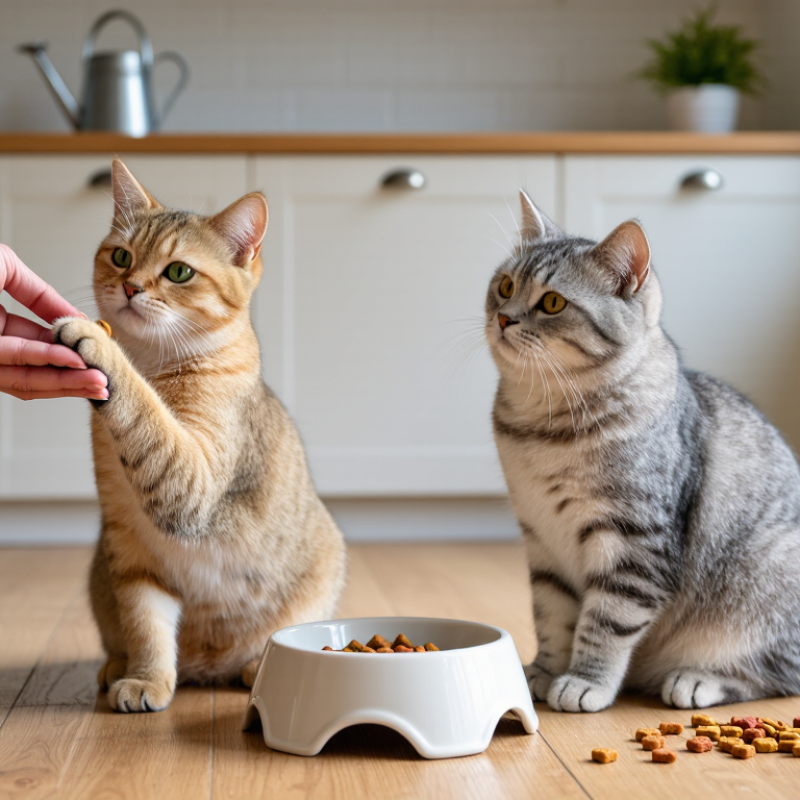
What Cat Treats Are and How They Differ from Regular Cat Food
Cat treats are small, purpose-made foods offered outside a cat’s main meals. They may be crunchy, soft, freeze-dried, or shaped for easy handling. Regular cat food is different. It is designed to provide complete and balanced daily nutrition, including suitable protein, fats, vitamins, and minerals. Treats usually focus more on taste, texture, or convenience. Some contain useful nutrients, but many are not complete meals.
This difference makes treats helpful during training, grooming, travel, or gentle bonding. A tiny treat can encourage a nervous cat to enter a carrier. It can also reward calm behavior after nail trimming. However, treats often contain concentrated calories. Several small pieces may equal a surprising portion of a cat’s daily energy needs. Feeding guidelines should be checked carefully, even when the pieces look harmless.
Veterinary nutrition guidance commonly recommends keeping treats as a limited part of daily calories. Individual needs still vary with age, weight, activity, and medical conditions. A cat with diabetes, kidney disease, food allergies, or obesity may need stricter choices. I have found that owners often count meals but forget treats. That mistake is easy to make. Water intake, stool changes, and body condition can reveal whether a treat routine needs adjustment. A cat may also reject a “healthy” treat, because preference remains part of the decision.
The Nutritional and Behavioral Benefits of Cat Treats
Why Are Cat Treats Important for Cats?
Cat treats can support nutrition, learning, and the human–cat bond. Their value depends on ingredients, portion size, and feeding habits. The World Small Animal Veterinary Association recommends keeping treats below 10% of a cat’s daily calories. For a 4-kilogram adult cat, that may equal only a few small bites. The exact amount varies with age, activity, health, and the treat’s calorie density.
Nutrition still comes first. FEDIAF’s 2024 Nutritional Guidelines emphasize that complete diets must provide essential nutrients, including taurine and specific amino acids. Most treats are not complete foods, so they should not replace balanced meals. A crunchy piece may provide texture, while a soft treat can help deliver prescribed supplements under veterinary guidance. Check the label for calories, protein sources, and unnecessary fillers.
Behavioral benefits are often practical. During handling, a treat can make nail checks, brushing, or carrier training less frightening. Rewarding calm behavior works better than offering food after fearful reactions. Cats also benefit from treat puzzles and scattered feeding, which imitate short hunting tasks. It takes patience. Some cats ignore enrichment completely. That is useful feedback, not failure. Reduce meal portions when treats increase, and monitor body condition rather than trusting appetite alone. The AAHA and AAFP feline guidelines support regular weight assessment because gradual weight gain can be easy to miss beneath a thick coat.
How Treats Support Training, Bonding, and Mental Stimulation
Small treats can make training clearer for cats. They connect a behavior with an immediate, pleasant result. When a cat touches a target, enters a carrier, or sits calmly, offer the treat within a few seconds. Timing matters. A delayed reward may teach the wrong action.
Keep it tiny. A pea-sized portion is often enough. Veterinary nutrition guidance commonly recommends keeping treats below 10% of daily calories. This helps prevent weight gain and protects appetite for balanced meals. Cats are individuals. Some respond to food, while others prefer play or gentle attention. Forcing a food reward can reduce trust, especially during handling or carrier practice.
Treats can also strengthen daily companionship. Place one near a puzzle feeder, hide a few around a safe room, or let your cat search through paper tubes. These simple activities encourage sniffing, movement, and problem-solving. Rotate the games before they become predictable. Watch the whiskers. If the cat walks away, swats, or stops eating, the task may be too difficult or stressful. A training plan can fail despite good intentions. Adjust the distance, reduce distractions, or use a calmer reward. Never use treats to pressure a cat into unwanted contact.
Why Are Cat Treats Important for Cats?
How Treats Support Training, Bonding, and Mental Stimulation
Treats can reinforce desired behavior, create positive interactions, and encourage cats to engage with food puzzles or enrichment activities. For calorie control, veterinary nutrition guidance commonly recommends keeping treats at no more than about 10% of a cat’s daily calorie intake. The chart uses the standard resting energy requirement formula, RER = 70 × body weight0.75, as a reference estimate; individual needs vary with age, health, activity, and neuter status.
Choosing Safe and Healthy Treats for Different Cats
Why Are Cat Treats Important for Cats?
Choosing Safe and Healthy Treats for Different Cats
Cat treats can support bonding, gentle training, and mental stimulation. A few small pieces may encourage a shy cat to approach your hand. However, treats are not nutritionally harmless. The World Small Animal Veterinary Association recommends keeping treats below 10% of a cat’s daily calories. The remaining calories should come from a complete, balanced diet.
10%
Weight matters. The Association for Pet Obesity Prevention reported that 61% of surveyed U.S. cats were overweight or obese in 2022. For these cats, choose tiny, low-calorie treats and count them carefully.
Kittens need growth nutrition, not frequent snacks. Senior cats may need softer textures, while cats with kidney, urinary, or digestive conditions may require veterinary-approved options. Never assume a “natural” ingredient is suitable.
Read the ingredient list and feeding directions. Avoid treats containing toxic ingredients, excessive salt, or unclear supplements. Fresh water should always be available.
I also watch the cat’s body shape, stool, appetite, and energy after introducing a new treat. Labels can still be confusing, and calorie information is sometimes incomplete. That is worth questioning. A veterinarian can calculate a safer daily allowance, especially for cats taking medication or following a therapeutic diet. Use treats as small rewards, not emotional substitutes for play or attention.
How Often Cats Should Receive Treats and in What Amounts
Why Are Cat Treats Important for Cats?
Treats can support bonding, gentle training, and daily mental enrichment. A small reward may help a shy cat approach a carrier or accept nail trimming. However, treats are not complete meals. They should complement balanced food, not replace it. Their value depends on timing, ingredients, and portion size.
How Often Cats Should Receive Treats and in What Amounts
Many veterinary nutrition guidelines suggest keeping treats below 10% of daily calories. For example, a cat eating 200 calories daily should receive about 20 treat calories. This is only an example, because age, weight, activity, and health change individual needs. Check the calorie information on the package, then count pieces carefully. One tiny bite may be enough during training. A reasonable routine might include one or two brief treat sessions daily, with several small pieces rather than one large reward.
Use treats to add variety, not to manage boredom alone. Food puzzles, play, and window perches can provide enrichment without extra calories. I have found that counting treats in a small container prevents accidental overfeeding. Still, this method is easy to forget on busy days. Cats needing weight control, or those with kidney, digestive, or other medical conditions, may require different limits. Ask a veterinarian before changing their diet or offering frequent rewards. Fresh water should remain available.
 Fast Delivery & Dispatch