2026 Top Ways to Throw Away Cigarettes Responsibly
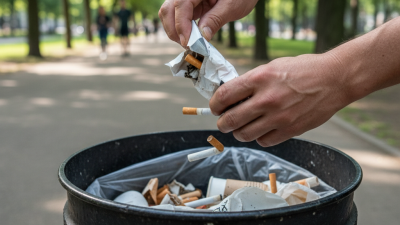
Throwing away cigarettes responsibly is an important topic many overlook. Smokers often discard cigarette butts without considering their impact. These butts can pollute our environment and harm wildlife. In 2026, it’s time to rethink how we dispose of these products.
Responsible disposal starts with understanding the consequences. Cigarette waste accounts for a significant portion of litter. When we throw away cigarettes haphazardly, they end up in landfills and waterways. These butts leach toxins into the soil and water supply. Knowing how to throw away cigarettes properly can make a difference. Smokers must take the initiative to find appropriate disposal options.
Many communities offer designated smoking areas with proper waste bins. Using these services shows respect for both the environment and fellow citizens. Reflecting on our disposal habits can help improve our surroundings. It’s crucial to be mindful and proactive when discarding cigarette waste. Rethinking this habit will create a cleaner, safer world for everyone.

Understanding the Environmental Impact of Cigarette Waste
Cigarette waste poses a significant threat to our environment. Every year, trillions of cigarette butts are discarded improperly. These butts are not biodegradable; they can take up to 10 years to decompose. Each butt contains toxic chemicals like nicotine and heavy metals that leach into the soil and waterways.
When cigarette butts are tossed carelessly, they contribute to pollution. Wildlife often mistakes them for food, leading to health problems or even death. While many smokers try to be considerate, the habit of discarding cigarette butts often goes unchecked. Smokers may not realize the impact their actions have on the planet.
Responsible disposal options exist. Specialized containers can help reduce litter. Some places offer recycling programs for cigarette waste. It’s crucial to remind ourselves that small actions matter. Every effort counts in minimizing our environmental footprint. A just a bit of awareness can lead to better choices. Reflecting on our habits can guide us toward more sustainable practices.
2026 Environmental Impact of Cigarette Waste
This chart illustrates the annual waste produced by cigarettes, highlighting the significant environmental impact of cigarette butts, packaging, filters, lighters, and ashtrays. Efforts to dispose of these materials responsibly are crucial to reducing their effects on the environment.
Safe Disposal Methods for Unused Cigarettes
When it comes to disposing of unused cigarettes, safety is paramount. Many people are unaware that tossing a cigarette in the trash or the environment can pose serious risks. Cigarettes contain harmful chemicals that can leach into the soil and water. According to industry reports, over 4.5 trillion cigarette butts are discarded annually, making them a leading source of litter worldwide.
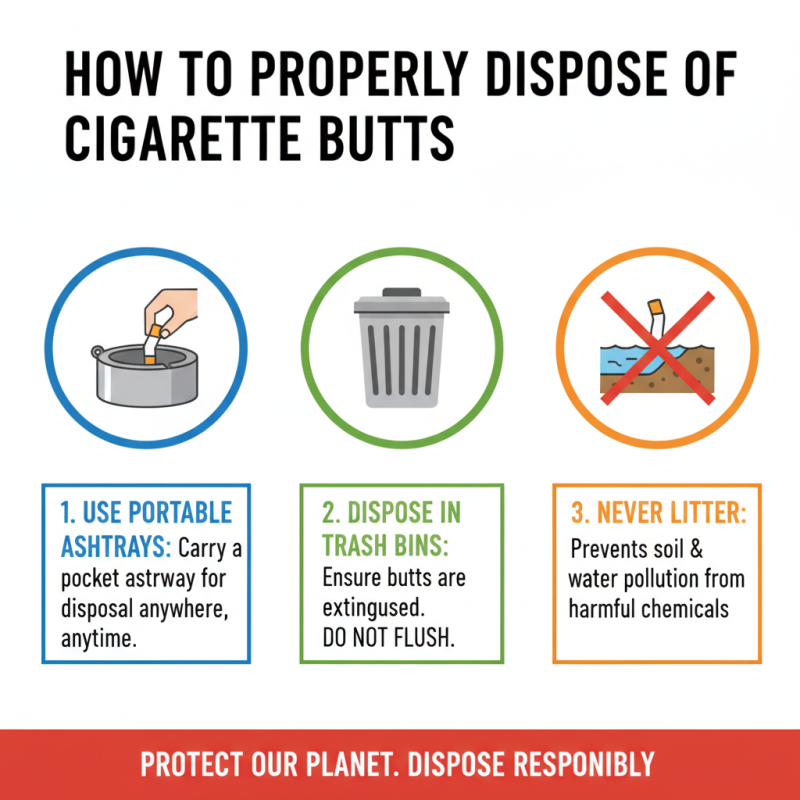
Proper disposal methods can minimize environmental harm. The best option is to use designated disposal containers. Many communities provide these receptacles to ensure safe disposal. You can also create a dedicated container at home, using a metal can filled with sand. This allows for safe extinguishing while preventing fire hazards.
**Tip:** Always extinguish cigarettes fully before disposal. Simply stepping on them may not be enough.
**Tip:** If you have unused cigarettes, consider contacting local waste management services for guidance on safe disposal.
Using creative methods can also promote responsible behaviors. For instance, a small craft project can transform old cigarette packs into a stylish disposal solution. This not only reduces waste but also encourages others to be environmentally conscious. Remember, every little action counts in reducing pollution and fostering a healthier planet.
2026 Top Ways to Throw Away Cigarettes Responsibly - Safe Disposal Methods for Unused Cigarettes
| Disposal Method |
Description |
Environmental Impact |
Safety Level |
| Specialized Disposal Unit |
Use designated containers for cigarette disposal located in public areas. |
Minimizes littering and reduces pollution in natural areas. |
High |
| Incineration Facilities |
Dispose of cigarettes through regulated incineration processes. |
Reduces waste volume but may contribute to air pollution. |
Medium |
| Community Clean-Up Events |
Participate in organized events focused on rubbish collection, including cigarette waste. |
Helps maintain clean environments and raises awareness. |
High |
| Home Composting of Filters |
Utilize cigarette filters in composting with organic waste. |
Organic components can break down but filters may contain plastics. |
Low |
| Proper Waste Bins |
Throw away cigarettes in designated bins marked for smoking waste. |
Contributes to a cleaner environment when used properly. |
Medium |
Exploring Cigarette Recycling Options
Cigarette waste is a significant environmental challenge. According to the Truth Initiative, over 4.5 trillion cigarette butts are discarded each year. Most of these butts contain plastic fibers, which can take up to a decade to decompose. This creates a pressing need for better cigarette recycling options.
One innovative approach is the development of specialized recycling programs. Some cities have introduced collection bins specifically for cigarette butts. These programs aim to turn the waste into useful products. A study from Keep America Beautiful indicated that recycling could reduce cigarette waste in public spaces by up to 30%. Yet, participation remains low, highlighting a gap in public awareness and engagement.
Additionally, many smokers are unaware of where to discard their butts responsibly. The intricacies of recycling cigarette waste often lead to misinformation. Some individuals mistakenly believe that simply tossing butts into regular trash is sufficient. Yet, as research shows, proper disposal is crucial for mitigating harm to wildlife and the ecosystem. Finding effective recycling channels requires collaboration between local authorities and community initiatives. It's a problem that needs more attention and reflection.
Community Initiatives for Cigarette Waste Management
Community initiatives play a critical role in managing cigarette waste. Many cities are starting awareness campaigns. These campaigns focus on responsible disposal methods. They educate smokers about the environmental impact of littered cigarette butts.
One effective strategy is placing designated bins in public areas. These bins are specifically for used cigarettes, discouraging littering. Local organizations often partner with governments to fund these projects. Results show fewer butts on the streets can enhance community pride.
Engaging local volunteers is also beneficial. Clean-up events get people involved and connected. However, not all communities have the same level of engagement. Some struggle to maintain these initiatives due to limited resources. Reflecting on these challenges is essential to improve outcomes. Sharing strategies among communities can boost effectiveness.
 Fast Delivery & Dispatch