What Are the Top Soda Can Types for Global Buyers?
Choosing the right Soda Can type is a practical decision, not a simple packaging trend. Global buyers compare volume, filling-line compatibility, transport costs, shelf appeal, and recycling systems. Standard two-piece aluminum cans remain the main choice for mainstream carbonated drinks. They offer reliable pressure resistance and efficient high-speed filling. Slim and sleek cans serve energy drinks, flavored sodas, and premium products. Their taller profile creates stronger shelf visibility, although it may increase logistics and handling costs.
A convenient ranking would be misleading. Regional demand, equipment standards, and consumer expectations change the answer. Smithers’ The Future of Metal Packaging to 2028 highlights lightweighting, recyclable materials, and premium decoration as major market drivers. The International Aluminium Institute reports that recycling aluminum can require about 95% less energy than producing primary aluminum. That advantage supports aluminum cans in markets with effective collection infrastructure. It does not solve every problem. Recycling results still depend on local sorting, deposit systems, and contamination levels.
Details matter.
Experienced buyers should request technical drawings, internal lacquer specifications, end compatibility, pallet patterns, and test reports. A 330-milliliter standard can may suit high-volume retail. A 250-milliliter slim can can support controlled portions and premium positioning. Large 473-milliliter formats may appeal to convenience channels, but they require careful weight and cooling analysis. The Can Manufacturers Institute also emphasizes beverage-can recyclability and the value of established aluminum recovery systems. These sources provide useful direction, yet no report replaces factory audits and trial shipments. The best global option balances performance, cost, branding, and credible end-of-life recovery.
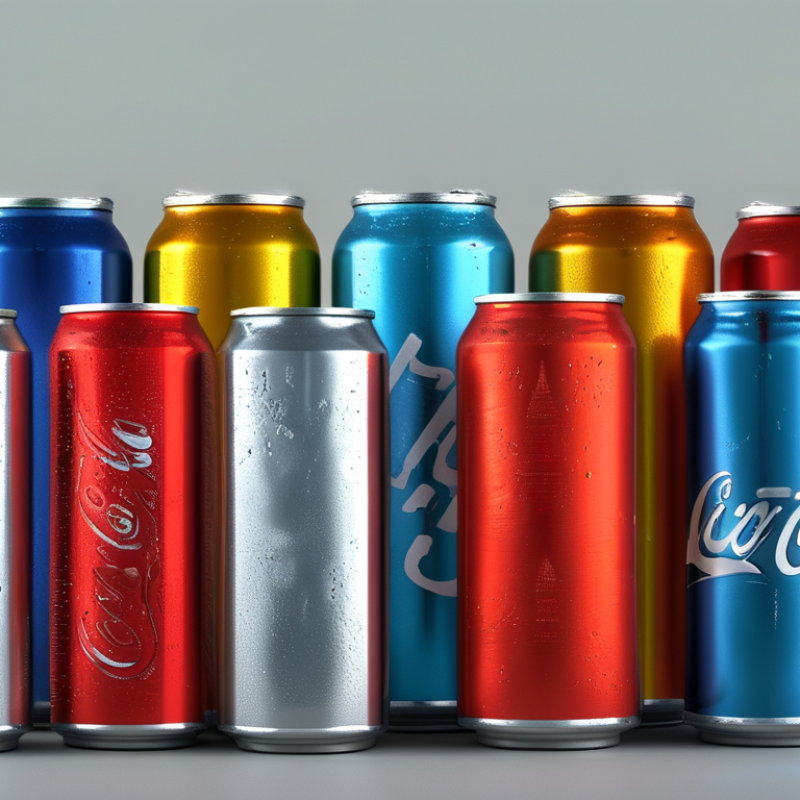
Soda Can Types and Their Main Uses
Soda Can Types and Their Main Uses
Global buyers usually choose among standard, slim, sleek, and tall soda cans. Most are two-piece draw-and-wall-ironed aluminum cans. They offer low weight, strong stacking performance, and reliable pressure resistance for carbonated drinks. Standard cans suit everyday soda volumes, while slim cans fit premium-style servings and narrow retail shelves. Tall cans provide more drink without greatly increasing packaging complexity. A practical detail matters: can diameter affects filling lines, pallet patterns, and vending-machine compatibility.
Steel cans remain relevant in selected markets. Their greater rigidity can support demanding transport conditions, although they often weigh more than aluminum alternatives. Buyers should check body thickness, internal coating, easy-open end size, and seam quality before ordering. The International Aluminium Institute reports that recycled aluminum requires about 5% of the energy used for primary aluminum production. That figure makes recycled-content sourcing commercially important, not merely environmental.
Use also determines the best format. Standard cans work well for supermarkets, restaurants, and multipacks. Slim cans suit controlled portions and convenience stores. Tall formats support sports drinks, flavored soda, and event sales. According to the Can Manufacturers Institute, an aluminum beverage can may return from recycling to a store shelf in about 60 days. Fast, but not guaranteed. Collection quality, regional infrastructure, and coating systems can slow the cycle. Some buyers overfocus on appearance and undercheck seam performance. That mistake can become expensive.
Standard Aluminum Cans for Everyday Beverages
What Are the Top Soda Can Types for Global Buyers?
Standard Aluminum Cans for Everyday Beverages
Standard aluminum cans remain a practical choice for sodas, sparkling water, energy drinks, and flavored beverages. Common formats include 330 ml, 355 ml, and 500 ml. Their light weight reduces shipping loads, while the rigid shape protects drinks during normal handling. The metal also cools quickly in retail refrigerators. That matters in busy stores.
For global buyers, can quality depends on more than appearance. Check the body diameter, can height, end compatibility, and seam consistency. A reliable supplier should provide food-contact documentation and production test records. Useful checks include leak testing, coating inspection, and dimensional sampling. The inner coating helps separate the beverage from aluminum. Pull tabs should open smoothly without sharp fragments. Small defects can become expensive during filling or transport.
Standard cans fit many markets, but they are not perfect for every product. A highly acidic drink may require careful coating evaluation. Long-distance shipping also demands strong pallets and moisture control. In practical sourcing, I would request trial samples before approving a large order. One sample may look excellent, yet machine performance can change across a full batch. Recyclability is another important factor, but local collection systems differ widely. Buyers should verify regional rules instead of assuming one packaging plan works everywhere. Cost, convenience, and sustainability often pull in different directions.
Slim and Sleek Cans for Premium and Energy Drinks
For global buyers, slim and sleek cans are strong choices for premium and energy drinks. Their narrow profile creates a refined hand feel and supports modern shelf presentation.
Common formats range from 200 to 355 milliliters. The right volume depends on serving habits, product strength, and local retail preferences. A smaller can can feel more controlled and premium. It may also reduce overconsumption concerns.
Material performance needs careful checking. Aluminum cans should resist pressure, dents, and internal corrosion during filling and transport. Buyers should request test data for seam strength, coating quality, and shelf-life protection.
Easy-open ends improve convenience, especially for active consumers. However, sleek cans may require adjusted filling equipment and different packing layouts. That detail is often underestimated.
Design matters, but structure matters more.
A matte surface can communicate softness, while metallic finishes create sharper visual contrast under store lighting. Printing accuracy should remain stable across large production runs. Ask for physical samples before approving a full order.
Small changes in diameter can affect cartons, coolers, and shipping costs. I have found that attractive prototypes sometimes perform poorly in real logistics. The shape looked excellent. The pallet did not.
Buyers should compare empty-can weight, recycled content, lead times, and regional recycling systems before making a final specification.
Large-Format Cans for Sharing and Foodservice
Large-format soda cans are designed for shared moments, not quick individual consumption.
For foodservice, common options include 24-ounce, 32-ounce, and larger food-grade formats. Exact sizes vary by market, filling line, and serving practice. A 32-ounce can can reduce opening frequency at a busy counter. However, it may create more waste if the drink is not finished. That trade-off deserves attention.
Buyers should examine aluminum or steel construction, internal coating, tab strength, and seam consistency. These details affect transport safety and product freshness. A clean double seam is especially important during long-distance shipment. Ask suppliers for seam inspection records, food-contact testing, and shelf-life evidence. Do not rely on appearance alone. Looks can mislead.
In warehouses, pallet height, stacking pressure, and humidity shape real performance. Large cans need stable trays or dividers when staff move them repeatedly. Clear case labeling helps operators rotate inventory and follow regional requirements. Recyclability matters, but collection systems differ widely between countries. A recyclable material is not always recycled locally. One practical mistake is treating every foodservice channel alike. A stadium kiosk may need rapid chilling and single-can sales, while a family restaurant may prefer shared service. Specifications should follow usage. Buyers can test a small shipment first, checking dents, condensation, seam damage, and handling efficiency before approving larger volumes.
Specialty Can Designs for Global Market Requirements
Global soda buyers increasingly need specialty can designs that match local habits, filling equipment, and transport conditions. Standard cans remain useful, but slim, sleek, and shaped formats can create stronger shelf visibility. Each format changes pallet efficiency and line compatibility. That matters.
Packaging audits show that can diameter is only one decision. Buyers should examine end type, wall strength, coating performance, and opening behavior. A narrow can may suit premium portions, while a wider can can support stronger graphics and better hand comfort. Easy-open ends should be tested with different consumer groups. Small details affect trust.
Decoration also requires careful planning. High-resolution printing can support seasonal artwork, local language panels, and clear recycling information. However, excessive finishes may increase material use or complicate recycling systems. That trade-off deserves honest review. Some markets also require specific nutrition details, deposit marks, or warning statements. Requirements can change, so current local guidance should be checked before production.
For long-distance shipping, corrosion resistance and seam quality need documented testing. Humidity, temperature changes, and rough handling can expose weak specifications. Buyers should request sample cans, test reports, and filling-line trials before placing large orders. A design that looks excellent in a catalog may perform poorly during high-speed production. No format fits every market. Flexibility is valuable, but over-customization can create costly complexity.
 Fast Delivery & Dispatch