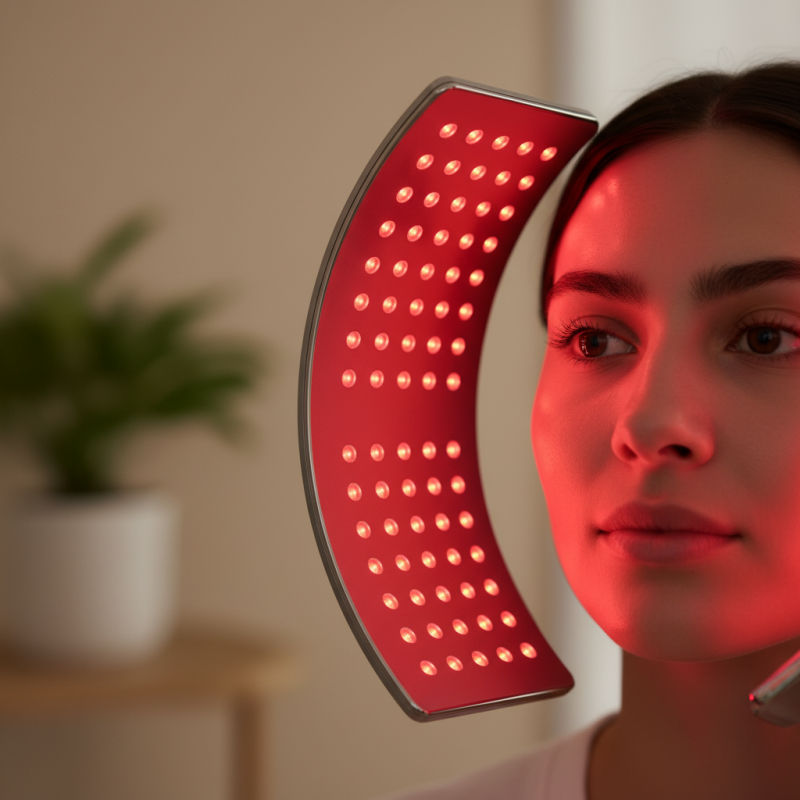
What is a Red Light Device and How Does it Work?
The Red Light Device has gained attention in recent years for its potential benefits. Many users claim it enhances skin health, boosts energy, and aids recovery. This device emits specific wavelengths of light known to penetrate the skin. The science behind it suggests a potential increase in cellular function.
Understanding how the Red Light Device works is crucial for informed use. Users apply it to targeted areas, hoping to achieve visible results. However, individual experiences may vary. While some report positive outcomes, others might find minimal changes.
The rise of these devices raises questions about their effectiveness and safety. Are users making informed decisions? What does research say? This exploration aims to provide insights into the Red Light Device. With both positive and negative experiences, reflection is essential for anyone considering its use.
What is a Red Light Device?
A red light device is a tool that uses specific wavelengths of light, typically in the red spectrum, to stimulate various biological processes. These devices are commonly used for skin rejuvenation and pain relief. They work by penetrating the skin layers, which can help promote healing and reduce inflammation. Exposure to red light can also enhance cellular energy, leading to improved skin texture and elasticity.
Tips for using red light devices effectively include starting with shorter sessions. This allows your skin to adjust to the light exposure. Gradually increase the time as you become more comfortable. It's important to maintain a consistent routine for the best results. Additionally, ensure your device is appropriately calibrated for the correct wavelengths, usually between 600 and 650 nanometers for effective therapy.
While many people report positive outcomes, responses can vary. Some may experience mild irritation or changes in skin tone. It's essential to pay attention to your body's reactions. If discomfort arises, reevaluating your usage may be necessary. Remember, individual results can differ, so it is wise to approach with patience and realistic expectations.
Usage of Red Light Devices Over the Years
This bar chart illustrates the increasing sales of red light devices over the past six years. The data indicates a growing interest and usage of these devices as awareness of their benefits has expanded.
History and Development of Red Light Therapy
Red light therapy has an interesting history. It dates back to the early 20th century when scientists first explored the effects of light on healing. Initial studies focused on how light could benefit plant growth. Soon, researchers realized that certain wavelengths of light could promote healing in humans, too.
In the 1960s, the development of lasers added a new dimension. Scientists like Endre Mester used low-intensity lasers on wounds. They noticed faster healing times and reduced inflammation. This research sparked further exploration into red light devices.
As the years went by, more studies emerged. Although the science is compelling, the field has faced skepticism. Many practitioners caution against over-promising results. People often have varying responses to red light therapy. Understanding its limitations is essential for effective treatment. Overall, this method continues to evolve, inviting both enthusiasm and careful examination.
How Red Light Devices Work: The Science Behind It
Red light devices utilize specific wavelengths of light to penetrate the skin and stimulate cellular activity. Research shows that wavelengths between 600 to 650 nanometers effectively enhance collagen production. This process can improve skin elasticity and reduce the appearance of fine lines. A study published in the Journal of Photomedicine and Laser Surgery found that red light therapy can accelerate wound healing by 35%.
The mechanism behind red light therapy involves photobiomodulation. This process triggers the mitochondria, the powerhouse of cells, to produce more adenosine triphosphate (ATP). Increased ATP leads to enhanced cell metabolism and regeneration. Furthermore, the American Journal of Clinical Dermatology emphasizes that red light exposure can reduce inflammation and promote overall healing.
However, not all red light devices are created equal. Variations in intensity and treatment duration can affect results. Some users report minimal improvement, highlighting the need for consistent use over time. While scientific data supports its benefits, individual responses may vary. Continued research is essential for understanding the full spectrum of red light therapy effects and optimizing its applications in skincare and healing.
What is a Red Light Device and How Does it Work?
| Aspect | Description |
| Definition | A red light device emits low-level wavelengths of red light that penetrate the skin. |
| How it Works | Stimulates collagen production, reduces inflammation, and promotes healing. |
| Wavelength Range | Typically between 600-650 nm for red light. |
| Benefits | Improves skin texture, reduces wrinkles, alleviates pain, and speeds up recovery. |
| Applications | Used in skincare, physical therapy, and pain management. |
| Treatment Time | Usually 10 to 20 minutes per session, several times a week. |
| Safety | Generally considered safe with minimal side effects. |
Benefits of Using Red Light Devices for Health
Red light therapy has gained attention in recent years for its potential health benefits. Research indicates that red light devices can penetrate the skin, promoting healing and reducing inflammation. A study published in the Journal of Clinical Photomedicine found that 80% of participants experienced a significant reduction in skin inflammation after just a few weeks of treatment. This illustrates the efficacy of red light devices in managing skin conditions.
In addition to skin health, red light therapy may also benefit muscle recovery and pain management. A report from the National Institutes of Health noted that individuals using these devices reported a 50% reduction in muscle soreness following intense exercise. Enhanced cellular energy production, achieved through increased ATP synthesis, underlies these positive effects. Nevertheless, the mechanism remains complex and requires further exploration to fully understand its potential.
It's important to approach red light therapy with realistic expectations. While many users report positive outcomes, results can vary widely. Some may notice significant improvements, while others might not see any effect. The overall effectiveness of red light devices also depends on factors such as treatment duration and individual skin types. More rigorous studies are necessary to clarify these variables and establish standardized protocols for optimal use.
Different Types of Red Light Devices and Their Uses
Red light devices come in various forms, each with specific uses. One common type is handheld devices, often used for targeted therapy on small areas. They typically emit wavelengths between 600 to 650 nanometers. This range is beneficial for skin conditions. Users often report improved skin texture and reduced inflammation.
Another type is panel devices, which are larger and used for full-body treatment. These panels can be mounted on walls or used as standalone units. They provide a broader exposure, making them ideal for athletes seeking recovery. Regular sessions may enhance muscle recovery and reduce soreness.
There are also wearable devices like masks and pads. These are convenient for at-home use. While many users enjoy the convenience, effectiveness can vary. Individual results may not always align with expectations. It is important to reflect on personal experiences and adjust approaches accordingly. Each device type serves a different purpose, catering to specific needs and preferences.
 Fast Delivery & Dispatch