What is a Disposable E-cigarette and How Does It Work?
In recent years, the popularity of the disposable e-cigarette has surged among users seeking convenience and variety in their vaping experience. These devices are designed for single-use, eliminating the need for refilling or extensive maintenance. The concept is straightforward: users can enjoy different flavors without the commitment of traditional vaping setups. However, many might wonder about the implications of this trend.
The disposable e-cigarette works using a simple mechanism. A battery powers a heating element, vaporizing e-liquid contained within the device. Users inhale the resulting vapor, often experiencing a satisfying nicotine hit. Despite their appeal, some criticisms arise. The environmental impact of single-use products is significant and deserves attention. Additionally, the health effects of e-cigarettes remain debated among experts.
Understanding the disposable e-cigarette is essential in today’s vaping landscape. While they offer an accessible option for newcomers, their long-term effects and sustainability need consideration. Consumers should weigh these factors carefully. As more people turn to e-cigarettes, mindfulness about their choices becomes increasingly important.
Definition of Disposable E-cigarettes
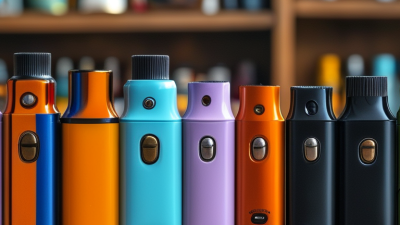
Disposable e-cigarettes offer a convenient and accessible way to vape. They are designed for single use, meaning once you exhaust the e-liquid, they cannot be refilled or reused. This simplicity appeals to many users, especially beginners. A disposable e-cigarette typically comes pre-charged and pre-filled with nicotine or flavored e-liquid. This makes it easy to start vaping right out of the packaging.
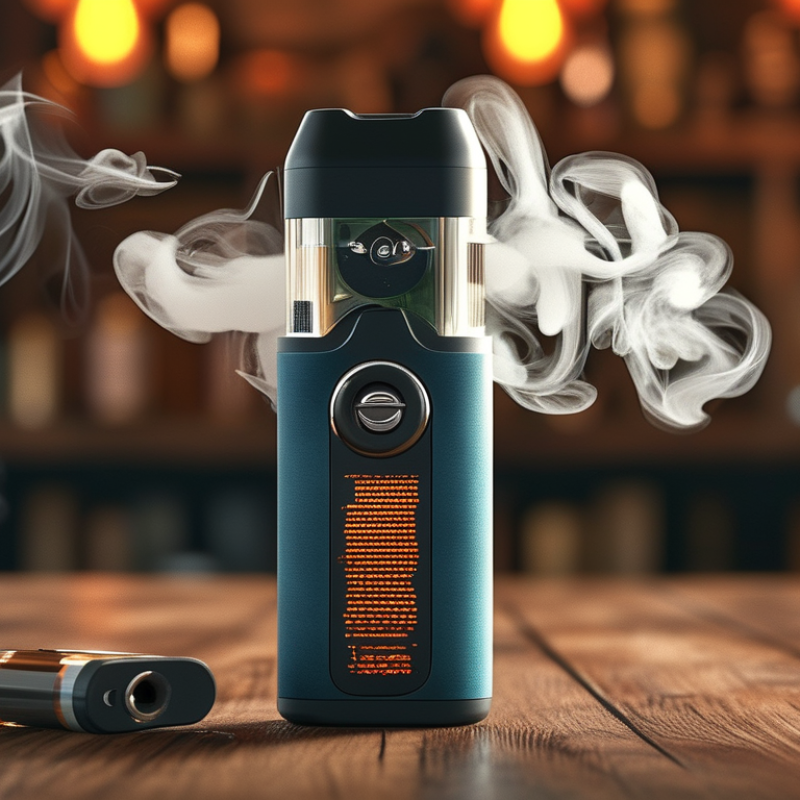
How do they function? Inside, a battery powers a heating coil. When a user inhales, the coil heats the e-liquid, producing vapor. This process closely mimics the experience of traditional smoking but without combustion. Users can choose various flavors, ranging from fruits to desserts, enhancing the vaping experience. However, reliance on disposable options raises questions about environmental impact. The convenience comes at a cost, as these devices contribute to electronic waste.
Many may undervalue the importance of understanding what they are consuming. The lack of knowledge about ingredients can lead to health concerns. Reflecting on personal choices can help users make informed decisions. As the industry evolves, it is crucial to evaluate both the benefits and drawbacks of disposable e-cigarettes. Each choice we make can shape our health and environmental future.
Components of a Disposable E-cigarette
Disposable e-cigarettes are designed for convenience and ease of use. Their structure is fairly simple, which makes them accessible for many users. The primary components include a battery, an atomizer, and a pre-filled e-liquid reservoir. Each part plays a critical role in how the device functions, offering an engaging experience for users.
The battery powers the device and heats the atomizer. This process vaporizes the e-liquid in the reservoir. A bonus feature is that most disposable e-cigarettes come with a built-in airflow system. This allows for a smoother inhalation. Many users appreciate the variety in flavor options available in the e-liquid, although the choices might seem overwhelming.
While the technology behind disposable e-cigarettes is straightforward, there are concerns. Some users may find these devices lack longevity, which raises questions about their sustainability. Additionally, the lack of regulation can affect quality. Choosing a disposable e-cigarette requires careful consideration of these factors. Understanding the components can help users make informed decisions about their vaping experiences.
What is a Disposable E-cigarette and How Does It Work? - Components of a Disposable E-cigarette
| Component |
Description |
Function |
| Battery |
Power source for the device, usually rechargeable |
Supplies energy to heat the coil and vaporize the e-liquid |
| Heating Element |
Also known as the coil, it vaporizes the e-liquid |
Heats up when battery power is supplied, producing vapor |
| E-liquid |
Liquid solution containing nicotine, flavorings, and propylene glycol |
The substance that is vaporized to create inhalable vapor |
| Mouthpiece |
Part of the device where the user inhales vapor |
Provides a pathway for vapor to be inhaled from the device |
| Body |
Outer casing that contains all internal components |
Provides structure and protects internal parts |
| Sensor |
Activates the heating element when inhaling |
Detects inhalation and triggers vaporization process |
How Disposable E-cigarettes Function
Disposable e-cigarettes are simple devices designed for convenience. They come pre-filled with e-liquid and are ready for immediate use. Once activated, users inhale vapor produced by heating the liquid. This process is known as vaporization, a key distinction from traditional combustion methods.
Inside a disposable e-cigarette, a small battery powers a heating element. When a user takes a puff, a sensor triggers the heater, creating vapor from the e-liquid. The vapor contains various substances, including nicotine, flavorings, and vegetable glycerin. Understanding this process helps users make informed choices about their usage.
The design emphasizes ease-of-use, yet raises questions about safety and health. The lack of regulation means quality can vary significantly. Users might reflect on the long-term effects of inhaling these substances. Just because a product is convenient doesn't guarantee it is safe. Making an informed decision requires careful consideration of these factors.
Advantages and Disadvantages of Disposable E-cigarettes
Disposable e-cigarettes have gained popularity due to their convenience and wide variety of flavors. They provide an easy way for users to experience vaping without the commitment of buying a reusable device. According to recent market research, the disposable e-cigarette market is projected to grow significantly, with a compound annual growth rate of around 22% in the coming years. However, it’s essential to weigh both the advantages and disadvantages.
One key advantage is portability. Disposable e-cigarettes are compact and lightweight, making them ideal for on-the-go use. They require no refills or charging, simplifying the vaping experience for many. Additionally, a study revealed that more than 60% of users appreciate the wide range of flavors available, adding to user enjoyment. However, the fixed nature of these devices limits customization options, such as adjustable nicotine levels or temperature control.
On the downside, disposables often generate more waste compared to traditional e-cigarettes. This raises environmental concerns, particularly as e-waste increases. A report highlighted that over 2 million disposable e-cigarettes are used daily in some regions, contributing significantly to landfill issues. Users should reflect on these environmental impacts.
Consider trying reusable devices for a more sustainable option. Making informed choices can help mitigate the drawbacks of disposable products. Remember, understanding the pros and cons is essential before choosing a vaping method.
Safety and Health Concerns Related to Disposable E-cigarettes
Disposable e-cigarettes have gained popularity due to their convenience and ease of use. However, concerns about their safety and health implications are critical. A 2022 study from the American Journal of Public Health indicated that over 60% of youth who vape use disposable e-cigarettes. This raises significant alarm about potential health risks among young users.
One major concern is the high levels of nicotine found in many disposable e-cigarettes. Data from the CDC shows that nicotine can be highly addictive. Inhaling it can lead to increased heart rates and other cardiovascular issues. Moreover, disposable e-cigarettes often contain harmful chemicals that can irritate the lungs. Research conducted by the National Institute on Drug Abuse revealed that 15% of users experienced respiratory problems after starting to vape.
The long-term effects are still largely unknown. Many users may underestimate the risks associated with these products. A report from the World Health Organization points out that vaping can lead to significant respiratory and cardiovascular conditions. With a lack of long-term studies, individuals need to reflect on their choices. Understanding these health concerns surrounding disposable e-cigarettes remains vital for consumers and public health advocates alike.
Usage Trends of Disposable E-cigarettes (2023)
 Fast Delivery & Dispatch