icon4

Free Delivery On Orders Over £20

NV products are only for people over the age of 18 years who either smoke or vape
Basket: 0 items

What Is a Dispenser Pump and How Do Pump Solutions Work?

A dispenser pump is a small mechanical device with a practical job: moving a measured amount of liquid from a container to a user’s hand. Pressing the actuator creates pressure inside the pump chamber. That pressure opens an internal valve and pushes product through the nozzle. When released, the spring resets the mechanism and prepares it for another dose.

The process looks simple. It is not always simple. Viscosity, temperature, bottle design, and dip-tube length can change performance. A thin hand sanitizer may flow quickly, while a thick lotion needs stronger spring action and wider passages. During product testing, technicians often check dose consistency, leakage, priming time, and the number of usable strokes. These details reveal whether a pump works reliably beyond the first few presses.

Dispensers Pump Solutions cover more than the pump itself. They may include closures, bottles, dosing systems, refill components, and application guidance. A suitable solution should match the product’s formula, packaging material, user habits, and production requirements. Material compatibility matters, especially when formulas contain oils, alcohol, fragrances, or abrasive particles. No pump is perfect.

A dependable evaluation also considers cleaning, transport, storage, and end-of-life handling. Small design flaws can create wasted product, messy workspaces, or customer frustration. This guide explains how dispenser pumps operate, how manufacturers assess them, and why choosing the right configuration requires careful testing rather than assumptions.
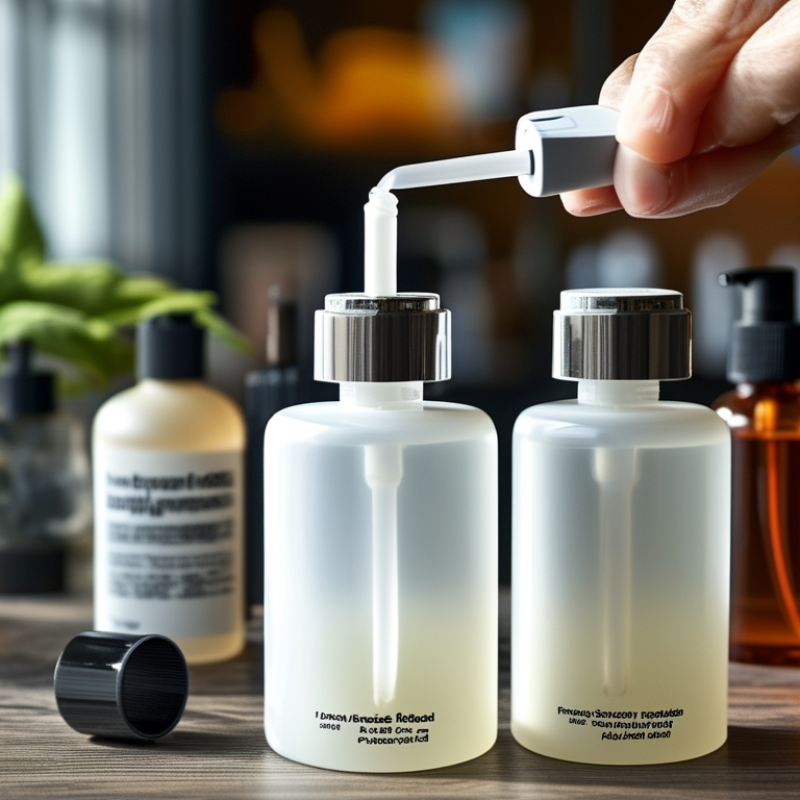
What Is a Dispenser Pump and How Do Pump Solutions Work?

What Is a Dispenser Pump and What Are Its Main Components?

A dispenser pump is a mechanical device that releases a measured amount of liquid with each press. It appears simple, but every component affects performance. The actuator is the top button touched by the user. Beneath it, the pump head connects to a piston or stem. A spring returns the head after dispensing. Seals help prevent leaks and protect the liquid from outside air.

Inside the housing, a small chamber fills when the actuator rises. Pressing the actuator reduces chamber volume and pushes liquid through the outlet nozzle. A dip tube carries product from the container’s bottom to the chamber. Check valves control the flow direction. If these valves close poorly, the pump may drip, lose its prime, or deliver uneven doses. In practical testing, thick lotions often need wider passages and stronger springs. Still, matching the pump to the formula is not always predictable. Temperature can change viscosity, so one test is rarely enough.

Tips: Check the dip tube length before assembly. It should reach near the container’s base without bending sharply. Press the actuator slowly during testing. Rapid pressing can create foam and make the dose appear inaccurate. Inspect the seal after repeated use. Small leaks often reveal wear before complete failure.


What Is a Dispenser Pump and How Do Pump Solutions Work?

Typical liquid output per full stroke across common dispenser pump applications

Main Components and Their Roles

A dispenser pump converts a downward press into a measured liquid dose. The actuator transfers force to the piston, the spring returns the mechanism, the dip tube draws liquid from the container, and one-way valves control intake and discharge while helping prevent backflow.

The chart shows representative, non-brand-specific output ranges. Actual dose depends on pump geometry, liquid viscosity, stroke length, and valve design. Foaming pumps typically dispense a smaller liquid volume that is mixed with air to create foam.

How Does a Dispenser Pump Work Step by Step?

A dispenser pump delivers liquid in controlled portions with a simple mechanical sequence. When you press the actuator, the piston moves downward inside the pump chamber. This reduces the chamber’s volume and creates pressure. The inlet valve closes, while the outlet valve opens. Product then travels through the nozzle and lands on your hand, sponge, or container.

When you release the actuator, a spring pushes the piston back upward. The chamber expands and creates a small vacuum. The outlet valve closes, and the inlet valve opens. Liquid rises through the dip tube from the container into the chamber. The pump is then ready for the next press. This cycle looks effortless, but viscosity, temperature, and tube length can change the dose. The measured amount is not always perfectly consistent. That detail deserves attention during product testing.

Tips: Press the actuator fully and steadily. Partial presses may deliver uneven amounts. Keep the dip tube below the liquid level. An angled container can sometimes cause air intake. If the pump sputters, check for an empty container, a loose closure, or trapped air. Cleaning the nozzle also helps prevent dried residue. In practical use, a pump should feel smooth, return quickly, and resist leaking around the closure. A small variation may be acceptable, but repeated inconsistency suggests a design or assembly issue.

What Types of Dispenser Pumps Are Available?

Dispenser pumps deliver a measured amount of liquid through a press-and-release mechanism. They are common in personal care, household, food, and healthcare packaging. The right pump depends on viscosity, dosage, container size, and how often users dispense the product. A thin liquid may need a narrow outlet, while a thick cream requires a wider pathway and stronger spring.

Lotion pumps are designed for creams, gels, and liquid soaps. Their dip tubes draw product upward when the actuator rises. Treatment pumps usually provide smaller, more controlled doses for concentrated formulas. Foam pumps mix liquid with air inside a mesh chamber, creating a light foam without pressurized gas.

Mist pumps break liquid into fine droplets through a small nozzle. Trigger pumps handle larger doses and suit cleaners or garden-care liquids. Twist-lock pumps help prevent accidental dispensing during transport.

Material choice matters. Polypropylene and polyethylene components often resist moisture and common formulations, but compatibility testing remains essential. A formula can swell seals, clog valves, or change the pump’s feel over time. That detail is easy to miss. Engineers typically test leakage, dose consistency, return speed, and repeated use under different temperatures. Manual testing also reveals awkward hand pressure or slippery actuators. No pump works perfectly for every product. A practical evaluation should include the real container, formula, closure, and expected user habits.

Which Materials and Products Can Dispenser Pumps Handle?

A dispenser pump can handle more than thin liquid, but its design must match the product. Hand soap, shampoo, lotion, liquid cleanser, and hair gel commonly work with pump systems. Thin formulas need narrow passages and controlled valves. Thicker creams require wider openings and stronger springs. Foaming products use air-mixing chambers to create a light, stable foam.

Material compatibility matters just as much. Polypropylene and polyethylene suit many water-based products. Some formulas contain oils, fragrances, alcohol, or acidic ingredients. These substances may swell seals, weaken springs, or cloud the container over time. A product can look compatible on day one. Problems may appear weeks later. Small details matter.

Viscosity is only one factor. Abrasive particles can wear internal parts, while heat can change flow and dosing accuracy. Food sauces, cosmetic creams, and cleaning liquids may each require different valve shapes. Powders and products with large particles usually need another dispensing method. Test the complete package, not only the pump. Check leakage, output volume, repeated use, and storage conditions. A pump that works perfectly in a warm room may struggle in a cold warehouse. I have found that “universal” is often an optimistic word. Better results come from practical trials with the real formula, container, and closure.

How Should Dispenser Pumps Be Selected, Used, and Maintained?

Selecting a dispenser pump starts with the product, not the container. Thin liquids need controlled flow, while creams may require a wider passage and stronger return spring. Check viscosity, chemical compatibility, dosage, closure size, and expected daily cycles. A pump that works in a clean room may struggle in a dusty washroom. Test samples at the actual temperature and pressure.

Keep the bottle upright during use. Press the actuator fully and release it slowly. Partial strokes can cause uneven doses and leave product inside the pump. Keep the nozzle away from countertops and hands. Wipe visible residue with a clean, suitable cloth. Do not force a blocked actuator. That can damage internal seals.

Maintenance should follow a simple inspection routine. Look for leakage, loose parts, slow recovery, discoloration, or changes in dose. Rinse reusable components only when the product and material allow it. Let parts dry completely before reassembly. Springs, gaskets, and seals can wear earlier than expected. Record cleaning dates and dose checks for reliable operation. I have seen teams replace the bottle but ignore the pump, which often causes repeated faults. No selection chart replaces a real trial. Small details matter.

What Is a Dispenser Pump and How Do Pump Solutions Work? - How Should Dispenser Pumps Be Selected, Used, and Maintained?

Category Dimension Typical Data or Working Principle Selection, Use, or Maintenance Guidance
Basic Definition Function A dispenser pump is a mechanical closure that draws liquid from a container and delivers a measured dose through an outlet. Match the pump with the product formula, container neck, required dose, dispensing direction, and intended application.
Pump Operation Typical cycle Pressing the actuator reduces chamber volume and expels product; releasing it restores the chamber and draws product through an inlet valve. Operate the actuator through its full designed stroke to reduce incomplete dosing and repeated priming.
Lotion Pump Output per stroke Common consumer-format outputs are approximately 0.5–5.0 mL per full stroke, depending on the pump design. Use for liquid soaps, lotions, gels, and other medium-viscosity products. Confirm actual output by weighing or measuring repeated strokes.
Fine-Mist Pump Output per stroke Typical outputs are approximately 0.05–0.20 mL per actuation, with spray quality affected by viscosity, surface tension, and nozzle geometry. Select only for formulas that can pass through small fluid passages without clogging or excessive residue.
Trigger Sprayer Output per stroke Many trigger systems deliver approximately 0.2–1.2 mL per pull, depending on the mechanism and nozzle setting. Choose an adjustable nozzle when the user needs stream, cone, or off positions. Test leakage during storage and transport.
Foam Pump Product delivery A foam pump combines liquid with air in a mixing chamber and mesh or screen assembly to create foam at the outlet. Use a compatible low-to-medium-viscosity formula. Avoid particles or undissolved solids that may block screens.
Airless Pump Container interaction The product is dispensed while the container collapses or an internal piston moves, limiting air replacement inside the package. Consider for oxidation-sensitive, low-preservative, or high-value formulas. Validate compatibility and residual product after use.
Product Compatibility Viscosity Water-like liquids generally require less suction resistance; thick creams and gels require larger flow paths, stronger springs, or a specialized mechanism. Test the pump with the final formula at minimum, normal, and maximum expected temperatures.
Chemical Compatibility Materials Common pump components include polypropylene, polyethylene, other engineering plastics, elastomers, stainless steel, and glass balls. Check swelling, cracking, discoloration, stress crazing, odor transfer, and changes in spring or seal performance through compatibility testing.
Container Fit Neck and dip tube The pump must match the container neck finish, thread or snap feature, sealing surface, and dip-tube length. Confirm dimensions with physical samples. The dip tube should reach near the container bottom without being sharply bent or blocked.
Dose Accuracy Measurement method Dose consistency depends on stroke length, valve sealing, product viscosity, temperature, and the user's actuation speed. Measure at least 10 consecutive actuations and calculate the average and variation before approving the pump.
Priming Initial actuations A new or partially emptied pump may require several actuations to remove air and fill the fluid path; the exact number varies by pump and product. Keep the container upright and use steady, complete strokes. Record priming performance during product testing.
Hygienic Design Contamination control A closed dispensing path can reduce direct hand contact, but it does not make the formula or package sterile. Keep the outlet covered when possible, avoid touching the nozzle, and follow the formula's storage and preservation requirements.
Daily Use Operating practice Dispensing performance is most stable when the pump is used upright and the actuator is pressed smoothly through its full stroke. Do not use sharp objects to clear the outlet, and do not force a locked or obstructed actuator.
Cleaning Routine care Residue can dry around the actuator and nozzle, restricting flow or altering the spray pattern. Wipe the exterior and outlet with a clean, compatible material. If the pump is designed for rinsing, follow the assembly and drying instructions.
Storage Environmental conditions Heat, freezing, ultraviolet exposure, and prolonged pressure can affect product viscosity, seals, springs, and plastic components. Store within the product's specified temperature range and protect the package from direct sunlight and excessive mechanical loads.
Quality Verification Recommended checks Key checks include dose output, priming, leakage, closure fit, actuator force, spray or foam pattern, chemical compatibility, and package drop or transport performance. Evaluate the complete pump-and-container system with the final formula rather than approving the pump based only on appearance or component dimensions.

Note: The numerical ranges are typical engineering and consumer-package reference values. Actual performance varies with pump geometry, formula properties, temperature, container design, and test conditions.

Article Source:

X
0
    0
    Your Basket
    Your basket is emptyReturn to Shop