How to Choose the Best Main Door Lock
Choosing the best Main Door Lock is not about buying the heaviest model or the one with the most impressive packaging. It is about matching the lock to your door, daily routine, and realistic security needs. A solid deadbolt can help, but a weak frame, loose screws, or poor installation may undermine it. Look closely at the door’s material, thickness, and existing borehole before comparing options. Small details matter.
Physical-security professional and author Deviant Ollam’s work offers a useful reminder: assess a lock as part of the complete door assembly, not as a standalone product. That is a paraphrase, not a direct quotation. The idea is practical: a well-made lock cannot compensate for a damaged frame or careless fitting. Check the cylinder, bolt length, finish, warranty, and whether replacement keys are controlled. For smart locks, consider battery alerts, backup entry, and what happens during a power or network failure. Keep it simple.
This guide explains how to compare common lock types, security features, and installation requirements without treating any product as foolproof. A physical key may suit one household; keypad access may help another. Picture the choice in real use: wet hands, groceries at the door, or a child needing to enter safely. Those details can change what “best” means. And one honest caveat: product ratings do not guarantee protection in every home. The right Main Door Lock is the one that fits correctly, works reliably, and is maintained over time.
Assess Your Door, Household, and Security Needs
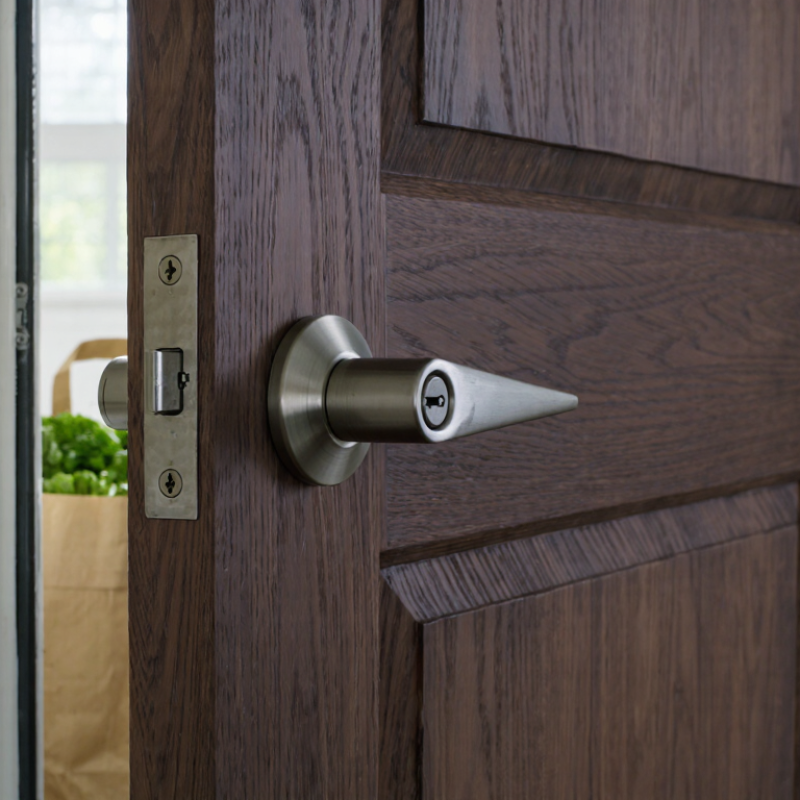
Before comparing locks, inspect the door itself. Note whether it is wood, metal, or glass, and check its thickness and condition. A loose frame can undermine even a sturdy lock. Look at the existing borehole and backset, too; mismatched dimensions may require extra work or professional installation. Small details matter.
Then consider who uses the door each day. Children, older adults, guests, or anyone with limited hand strength may need an easy-to-operate thumb turn or keypad. Think about keys left inside, bags carried through the entry, and late arrivals trying to unlock the door in poor light. Convenience counts. So does routine. A feature that sounds useful may become irritating if nobody remembers how to use it.
Finally, match protection to the home’s actual risks. A ground-floor entrance facing a public walkway may call for a stronger deadbolt and reinforced strike plate. A quiet side entrance may need different priorities. Check that the lock fits the door and frame, and follow installation instructions carefully. If the frame is cracked or the door does not close squarely, fix that before upgrading the lock. It is tempting to focus only on the hardware; I would pause there. The door, frame, household habits, and lock work as one system.
Understand Lock Types and Security Ratings
How to Choose the Best Main Door Lock
Understand Lock Types and Security Ratings
A main-door lock works with the door, frame, and strike plate—not alone. A deadbolt extends a solid bolt into the frame, while a spring latch can often retract when its handle is turned. For an exterior door, check that the deadbolt has a long enough bolt and that its strike plate is firmly secured with long screws. A neat-looking lock on a weak frame is still a weak point. The FBI’s 2023 Crime in the United States report recorded 847,522 burglary offenses; that figure covers reported offenses, not just forced entry or lock failure.
Security ratings help compare products, but check which standard and lock type they cover. ANSI/BHMA A156.2 sets performance requirements for bored locks, including operational and strength testing. A grade is not a guarantee against every attack, and ratings for one lock category may not apply to another. For a deadbolt, look for certification to the relevant ANSI/BHMA standard, and verify the exact model in the certifier’s directory. I would not choose by grade alone; installation quality is easy to overlook.
Tips: With the door open, extend the bolt and check that it moves smoothly. Then close the door and confirm the bolt enters the strike plate without lifting or pushing the door. Keep the keyway clear of grit. If considering a smart lock, assess its mechanical rating separately from its digital security. Some details are easy to miss.
Check Door Compatibility and Installation Requirements
A lock can look right and still fail to fit the door. Measure the door’s thickness, bore diameter, backset, and edge-bore size before buying. Backset is the distance from the door edge to the center of the knob or cylinder hole. Check the door’s handing, too, and compare the strike plate with the existing frame opening. A deadbolt that meets a misaligned strike may bind. Small gaps matter. Even careful measurements can miss a warped jamb, so recheck alignment with the door closed.
For a professional reference, ANSI/BHMA A156.2 classifies bored locks into three performance grades and evaluates factors such as operation, strength, and durability. Confirm that the lock’s grade suits the door’s use, then follow its installation template; drilling by eye can leave a crooked latch or weaken the door edge.
For accessible routes, the U.S. Access Board’s ADA Standards for Accessible Design specify at least 32 inches of clear doorway width with the door open 90 degrees. That requirement does not apply to every home, but it is a useful clearance check where accessibility matters.
A tape measure cannot reveal every installation issue. Check the frame and latch movement before tightening the final screws.
Compare Keying, Smart Features, and Emergency Access
Start by checking how the lock is keyed. A keyed-alike setup lets one key operate several exterior locks, which can simplify a busy morning. But losing that key affects every matching door. Separate keys add a small daily annoyance, yet limit the inconvenience if one goes missing. Count who needs access, including family members or a trusted caregiver.
Smart features can make entry easier, especially when hands are full or guests need temporary access. A keypad avoids copying physical keys, while access logs may show when a code was used. Choose codes that are easy to manage but not obvious, and remove temporary codes when they are no longer needed. Check how the lock behaves when its batteries run low. A phone should not be the only way in. Honestly, a clever feature can feel reassuring before it has been tested.
Emergency access deserves equal attention. Look for a clear backup method, such as a physical key or an external battery connection, and make sure the people who may need it understand how it works. Test the lock with the door open, then try it from outside; otherwise, a setup mistake can become a lockout. Test it twice. Keep any backup key somewhere secure and reachable, not inside the home behind the very lock it is meant to bypass. A feature list can make the choice seem more complicated than it is. The best fit is the one your household can operate calmly, even when the lights are out.
How to Choose the Best Main Door Lock
Compare keying, smart features, and emergency access
This illustrative feature checklist compares defined lock configurations, not brands or survey results. Features vary by model. “Offline entry” means a local key or keypad can still unlock the door without an internet connection.
Choose, Install, and Maintain the Right Lock
Choosing a main door lock starts with the door, not the finish. Check its thickness, the existing hole, and the distance from the door edge to the lock center. A deadbolt with a solid bolt and a tested security rating can offer useful resistance, but only when it fits the door and frame. Look at the strike plate, too. A strong lock attached to a weak, loose frame is a poor match. It is easy to focus too much on appearance; fit deserves attention first.
Installation needs patience. Follow the lock’s instructions, and keep the bolt aligned with the strike opening. If the door rubs or the bolt catches, correct the alignment before tightening everything. Use the specified screws, and avoid forcing parts into place. Test the key and thumb turn with the door open, then close it and test again. Small snags matter. A slightly crooked latch can become an everyday frustration, and I would recheck my measurements rather than blame the lock.
Maintenance is simple, but easy to forget. Wipe dust from the lock and check that screws remain snug. If the key starts sticking, consult the manufacturer’s care guidance before applying lubricant; some products can attract grit. Inspect the door frame after seasonal swelling or a heavy slam. If cracks, shifting, or persistent misalignment appear, get help from a qualified locksmith or carpenter. A lock cannot fix a failing frame.
 Fast Delivery & Dispatch


