7 Tips for Buying Organic Body Lotion in Bulk
Demand for organic personal care is growing, but bulk buying calls for more than a low price per bottle. Grand View Research estimated the global organic personal care market at USD 21.6 billion in 2023 and projected continued growth through 2030. That estimate covers a broad product category, not body lotion alone. Still, it helps explain why more retailers, spas, and households are comparing larger orders.
Details matter. A pallet of Organic Body Lotion may look economical until slow sales, limited storage, or a short shelf life turn savings into waste. Check the ingredient list and the scope of any organic certification; “natural” and “organic” are not interchangeable claims. Ask suppliers for batch information, product specifications, minimum order quantities, and clear storage guidance. Then compare the delivered cost per usable bottle, including shipping and packaging.
Small checks help. A sample can reveal how the lotion feels after several applications, not just how it smells in the first minute. Review the container, too: a pump that sticks or a cap that leaks can spoil a good product. Industry reports describe a rising market, but they cannot tell you whether a particular supplier is dependable. That part takes evidence—and, sometimes, a cautious first order. The seven tips ahead focus on evaluating product claims, supplier quality, pricing, packaging, and inventory before committing to bulk quantities.
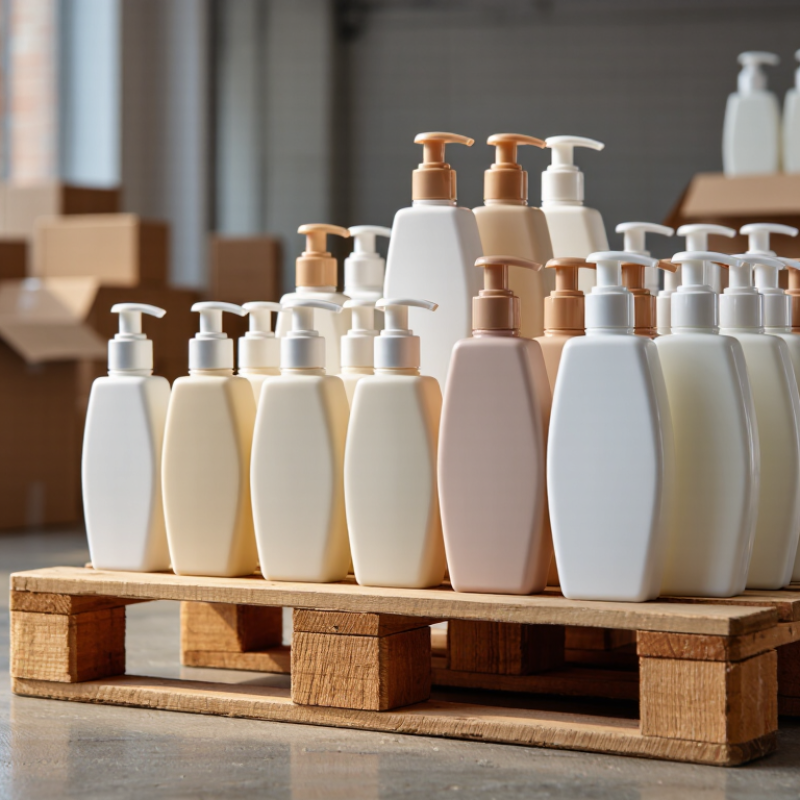
Determine Your Bulk Needs and Storage Capacity
Estimate your monthly use before comparing bulk prices. Track lotion consumption for eight to twelve weeks, including seasonal changes and staff or household use. Multiply average weekly use by the number of weeks you expect each shipment to last, then add a modest buffer. Measure first. A 20-liter container may look economical until it occupies your only cool, clean storage shelf. Cosmetics Europe reported €96 billion in European cosmetics and personal-care retail sales for 2023. That industry figure shows the market’s scale, but it cannot predict your own lotion turnover.
Check storage conditions before ordering. Keep sealed containers away from direct sunlight, radiators, damp floors, and temperature swings. Follow the supplier’s label for storage temperatures and use-by guidance; formulas differ, so a universal shelf-life estimate would be unreliable. Note the batch number and date received, then use older stock first. Keep a clean pump or dispensing tool nearby, and avoid repeatedly dipping hands into shared containers. Small details matter. I have seen careful bulk plans become awkward when the container fits the shelf but leaves no room to dispense safely. Allow space for handling, inspect packaging on arrival, and confirm how quickly you can use opened product without compromising cleanliness or quality.
Verify Organic Certifications and Ingredient Transparency
When buying organic body lotion in bulk, check the certificate before comparing price per litre. Look for a recognized standard, such as COSMOS Organic or USDA Organic, and confirm the certificate covers the exact product—not just the supplier or one ingredient. Check its expiry date and verify it through the certifier’s directory. Small detail, big difference.
Read the ingredient list alongside the certificate. Organic percentages may refer to the whole formula or only its agricultural ingredients, depending on the standard. Ask the supplier for the current ingredient list, the percentage of certified organic content, and an explanation of vague terms such as “natural fragrance.” The Soil Association Certification’s Organic Beauty and Wellbeing Market Report 2023 reported UK sales of £136 million in 2022, up 15% year over year. That signals growing interest, but it does not prove every product carrying an organic claim meets the same standard.
For a bulk order, request documentation for the specific lotion and production batch, including a certificate and batch traceability details. Compare those records with the label you will receive. Keep a sample and test the lotion’s scent, texture, and pump performance; a formula can feel different after storage. Paperwork can be tidy while a dispenser still leaks. That deserves a second look.
Match Lotion Formulas to Skin Types and Intended Uses
When buying organic body lotion in bulk, match the formula to the people and tasks it will serve. For dry or eczema-prone skin, consider fragrance-free creams with humectants and richer emollients; thin lotions may not provide enough lasting comfort. The National Eczema Association cites a U.S. prevalence estimate of 31.6 million people with eczema, a reminder that one formula may not suit everyone. For oily skin or humid workplaces, a lighter lotion may feel more usable. Check the full ingredient list, not just the organic claim.
Use matters, too. A fast-absorbing lotion can work well at shared sinks, while a richer formula may suit after-shower care or dry elbows. For face use, choose a product specifically labeled for facial skin rather than assuming body lotion is interchangeable. The American Academy of Dermatology recommends applying moisturizer after bathing, while skin is still damp. Test a small quantity with intended users before committing to a large order. Bulk magnifies mistakes. It is tempting to choose one popular scent for everyone, but fragrance can bother sensitive users; unscented stock may be the more practical choice. Check packaging, dispensing method, and shelf life against how quickly the supply will be used.
Assess Supplier Reliability, Packaging, and Shelf Life
Buying organic body lotion in bulk starts with evidence, not a supplier’s polished catalogue. Ask for recent batch records, ingredient specifications, and stability-test summaries. Grand View Research’s 2023 analysis estimated the broader organic personal care market at $21.6 billion in 2022, with projected annual growth of 9.1% through 2030. That growth makes careful supplier checks more important, not less. Check the evidence. A responsive contact should explain how complaints, damaged deliveries, and batch variations are handled.
Packaging affects both product quality and waste. The U.S. Environmental Protection Agency reported that containers and packaging made up 28.1% of municipal solid waste in 2018. Request samples of the actual bulk container, then check the seal, dispensing method, and compatibility with the lotion. A drum that looks sturdy may still leak during transit or be awkward to use hygienically. Small details matter. Ask whether packaging materials can be identified by type and whether the supplier can document storage and transport conditions.
For shelf life, request manufacture dates, recommended storage temperatures, and stability results for the specific formula and packaging. Water-based lotions need appropriate microbial controls; “organic” alone does not establish a longer usable life. Confirm how much usable time remains when the shipment arrives, especially if you cannot use every container quickly. I would still want a real batch record, not just a reassuring sales email. Keep one unopened sample from each delivery and note changes in smell, texture, or color over time.
Compare Unit Costs, Shipping Terms, and Return Policies
When buying organic body lotion in bulk, compare the cost per ounce, not just the case price.
A case of twelve 8-ounce bottles contains 96 ounces; at $144, that equals $1.50 per ounce before shipping. Add freight, handling fees, and any required minimum order to estimate the real cost. Check whether the quoted price includes protective packaging. Small charges can shift the comparison.
Read the shipping terms before placing a large order. Confirm the delivery window, who pays for damaged cartons, and whether shipping is included above a certain order value. If the lotion arrives warm or leaks, find out how quickly you must report the problem. Ask for the return policy in writing.
Some suppliers accept only unopened goods, while others limit returns to a short period or charge restocking fees. That matters when testing a new formula.
I once overlooked a handling fee; the unit cost looked better than it was. Recalculate with every fee included, and keep the written quote and policy for reference.
 Fast Delivery & Dispatch


