2026 Top Trends in Quitting Disposable Vapes Strategies?
The rising trend of quitting disposable vapes has become a pressing topic in public health discussions. According to a recent report by the National Institute on Drug Abuse, about 3.6 million Americans aged 18 to 29 used e-cigarettes in 2022. This alarming statistic highlights the urgency for effective strategies in quitting disposable vapes. Industry expert Dr. Jennifer Lee emphasizes, "The key to successful cessation lies in understanding the psychological and physical dependencies that these products create."
Innovative quitting strategies are emerging, addressing both behavioral and psychological aspects of addiction. Current methodologies range from counseling and support groups to digital interventions, catering to different needs. The American Lung Association reports that nearly 70% of adults who use e-cigarettes want to quit. Yet, the complexities of addiction often lead to initial failures and difficult moments in their quitting journey.
The road to success in quitting disposable vapes is fraught with challenges. While many resources are available, each individual's path varies. Embracing imperfection in the process can often provide valuable insights. Chronicling these experiences is essential to develop future cessation strategies that genuinely support users in overcoming their reliance on disposable vapes.
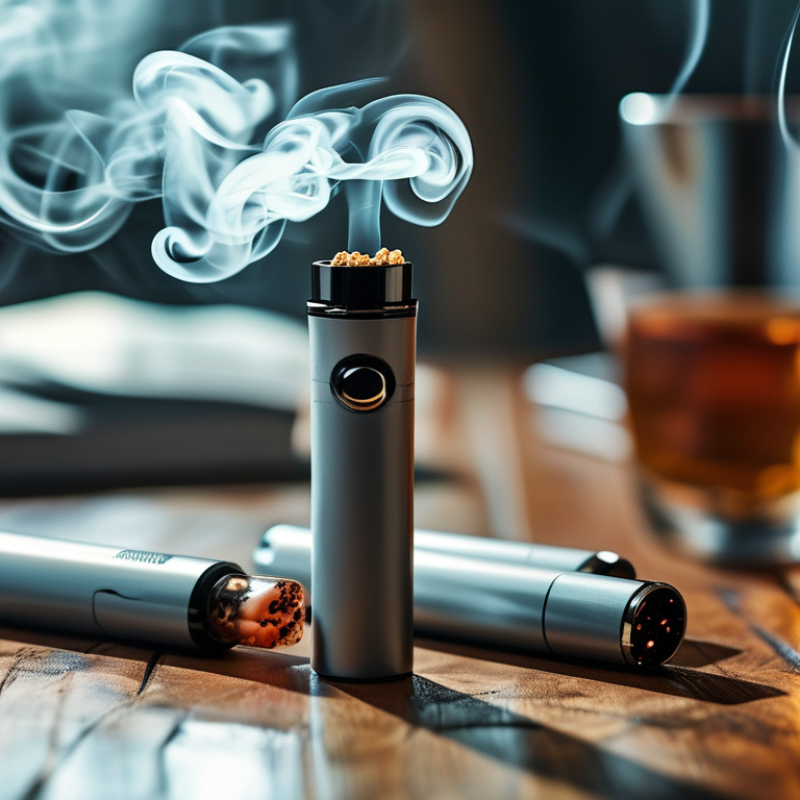
Understanding the Rise of Disposable Vapes and Their Impact
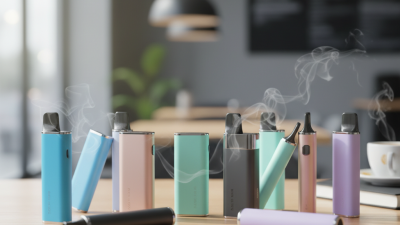
Disposable vapes have rapidly become a part of modern culture. They offer convenience and ease of use, attracting a younger audience. With colorful designs and a variety of flavors, they are hard to resist. The rise of these devices has sparked conversations about their health effects. Many users overlook potential risks due to their appealing nature. Research indicates that vaping can lead to dependence. Yet, despite these concerns, the popularity of disposable vapes continues to soar.
As people recognize the consequences of vaping, strategies to quit are gaining traction. Education about the risks is key. Understanding addiction and withdrawal can empower individuals to make informed decisions. Support groups and online forums provide valuable resources. Personal stories foster a sense of community, making the quitting process more manageable. However, some struggle with cessation. The glossy packaging and enticing flavors can tempt former users. Reflecting on these challenges highlights the need for ongoing support.
The impact of disposable vapes on public health remains a topic of debate. Awareness campaigns aim to inform users about the risks involved. Schools and community organizations are taking action. Yet, the pace of change can feel slow. Engaging discussions about vape-free policies show promise. However, inconsistencies in enforcement can undermine these efforts. The path forward requires collaboration among health experts, educators, and communities.
Identifying Common Triggers for Disposable Vape Usage
Disposable vape usage is often triggered by specific emotional and environmental factors. Many users report that stress is a significant catalyst for reaching for their devices. According to a study from the National Institute on Drug Abuse, about 40% of young adults cited stress as a primary reason for using vapes. This link between emotional states and usage must be addressed in strategies for quitting.
Social situations also play a pivotal role. Peer influence can encourage experimentation and habitual use. A survey conducted by the Substance Abuse and Mental Health Services Administration indicated that nearly 50% of users felt pressured to vape in social settings. Understanding these triggers can enable individuals to make informed decisions, especially when in environments that may promote usage.
Moreover, the convenience of disposable vapes makes them easily accessible. Users often take these devices to parties or gatherings, reinforcing their habitual use. A report from the Centers for Disease Control and Prevention found that 80% of young users identified accessibility as a barrier to quitting. Identifying these common triggers is essential in developing effective quitting strategies that support long-term abstinence from disposable vapes.
Effective Strategies for Gradually Reducing Vape Consumption
Gradually reducing vape consumption can be challenging but rewarding. It's essential to create a personalized plan that works for you. Start by tracking your daily usage. Noting how often you vape helps identify patterns. You may be surprised at how many times you reach for your device.
Tips for reduction:
- Set small, achievable goals. Try cutting your usage by a few puffs each day. This makes the journey feel less daunting.
- Replace your vape with healthier habits. Consider chewing gum or using a stress ball when cravings hit.
Staying mindful of your triggers is crucial. Maybe it's boredom or stress. Reflecting on these moments can aid in finding alternatives. You don’t have to be perfect; setbacks happen. It's essential to learn from them rather than feel defeated.
Remember, involve supportive friends or family. Sharing your goals can reinforce your commitment. Their encouragement can serve as motivation during tough days. Embrace the progress, however small it seems. Each step counts towards a healthier future.
Alternative Nicotine Delivery Methods for Quitting Vaping
As more individuals seek alternatives to vaping, the exploration of nicotine delivery methods is crucial. Research indicates that around 70% of vapers express a desire to quit, yet many struggle with withdrawals. The challenge lies not just in stopping consumption, but in addressing cravings effectively. One promising strategy is the use of nicotine patches. Studies show that these can double the chances of quitting compared to willpower alone.
Another alternative to consider is nicotine gum. According to a report from the National Institute on Drug Abuse (NIDA), this method can provide an immediate relief for cravings. Users can reach for a piece of gum during the moments of temptation. For those who prefer behavioral support, counseling combined with these methods can enhance effectiveness. Evidence suggests that integrating professional guidance improves success rates significantly.
Though promising, not all methods yield immediate success. Many users report difficulties adjusting to new methods. The urge to revert to vaping can be overwhelming. Continuous support and informed strategies are essential. It's a reminder that quitting is a journey with ups and downs, and each step forward is a victory worth acknowledging.
Building a Support System for Long-Term Success in Quitting Vapes
Quitting disposable vapes can be a challenging journey. Building a solid support system is essential for long-term success. Friends, family, and support groups play crucial roles in this process. Surrounding yourself with understanding individuals makes the struggle easier. They can provide encouragement and share their experiences, which can be comforting.
It’s important to acknowledge that no one is perfect. Setbacks may happen, and that’s okay. What matters is how you respond. Discussing these challenges with your support network can offer new perspectives. Engaging with others who have faced similar hurdles can be illuminating. Their stories can inspire resilience and motivate you to keep moving forward.
Consider joining online forums or local support meetings. These platforms foster connection and accountability. Reaching out to others creates a sense of belonging. You may discover unexpected friendships along the way. Embracing vulnerability in sharing your journey allows for growth and healing. Each step taken with support is one step closer to lasting change.
 Fast Delivery & Dispatch